
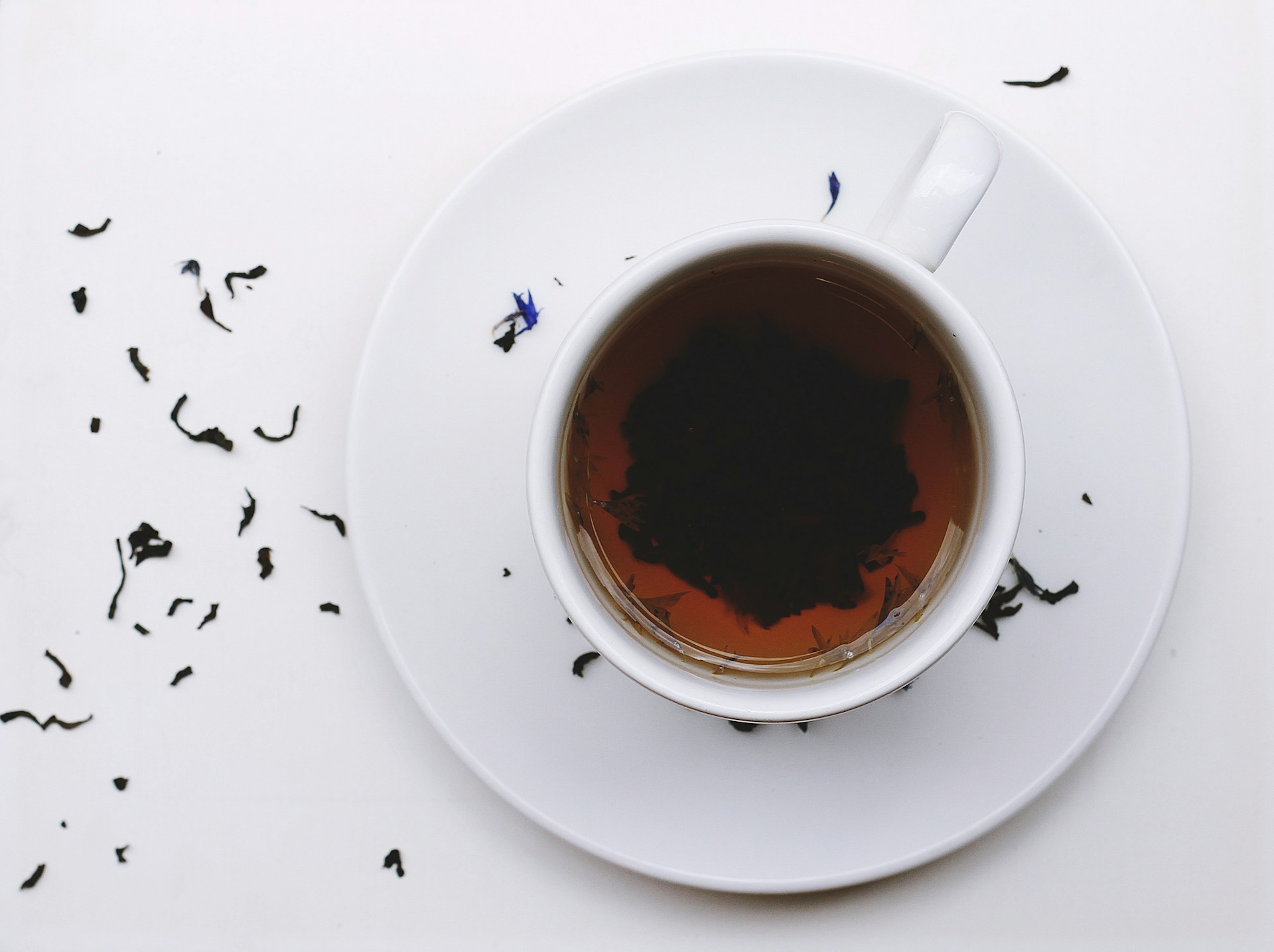
Bergamot is a citrus most people have tasted without knowing it. The distinctive floral, slightly bitter note in Earl Grey tea is bergamot oil, pressed from the peel of a fruit that looks like a small, knobbly lime and grows almost nowhere in the world except a narrow strip of the Italian coast. Its scent is bright but softer than lemon, with a floral depth that has made it a favorite of perfumers for three centuries.
A Fruit From Calabria
The bergamot orange, Citrus bergamia, is thought to be a hybrid of bitter orange and a lemon-like citrus. Nearly all of the world’s commercial crop comes from the province of Reggio Calabria, at the southern tip of Italy, where the particular combination of soil, sea air and climate suits the tree. The fruit itself is too sour and bitter to eat, so it has always been grown for its peel. Oil is expressed from the rind by cold pressing, which gives it a fresh, green quality quite unlike distilled oils.
Cologne and Tea
Bergamot’s fame began in the early eighteenth century, when an Italian perfumer working in the German city of Cologne created a light, citrusy fragrance that came to be called eau de Cologne. Bergamot was its signature note, and the style spread across Europe as a refreshing alternative to heavier perfumes. It remains the backbone of countless fragrances today, nearly always as a top note that lifts whatever follows.
How bergamot came to flavor tea is less certain. Earl Grey tea, a black tea scented with bergamot oil, is named for a nineteenth-century British prime minister, and several stories circulate about how he acquired the recipe. None is well documented. What is clear is that the pairing caught on, and Earl Grey remains one of the best-known flavored teas in the world.
Bergamot in Aromatherapy
Bergamot essential oil is popular in diffuser blends and personal fragrances for its uplifting, sunny scent. It pairs well with lavender, geranium, frankincense and other citruses, and it softens sharper herbal oils. A few drops in a morning diffuser blend is a common way to enjoy it. We make no claims about what it does beyond smelling pleasant.
The Sun Caution
Bergamot has one well-known safety consideration. Cold-pressed bergamot oil contains compounds called furanocoumarins, including bergapten, that make skin more sensitive to ultraviolet light. Skin treated with undiluted or poorly diluted bergamot oil and then exposed to sun can burn or darken more easily than usual. This is why aromatherapy references consistently advise:
- Avoid applying bergamot to skin that will be exposed to sunlight or tanning lamps within the following twelve hours or more.
- Dilute it well in a carrier oil if you use it on skin at all, and patch test first.
- Look for bergapten-free bergamot, often labeled FCF, if you want to use it in skin products. This version has had the furanocoumarins removed.
- Diffusing is the simplest way to enjoy the scent without any skin concern.
Keep bergamot, like all essential oils, away from children and pets, and never swallow it. If you have a skin condition or take medications that affect sun sensitivity, talk with your doctor before using it.
A cup of Earl Grey on a spring afternoon is the easiest way to enjoy bergamot. A drop or two in a diffuser with lavender makes a bright, calm blend for a morning of work. Some people keep a small bottle of the FCF version to add to an unscented lotion. The scent carries a little of the Calabrian coast with it, sunny and slightly bitter, and it has been making people feel refreshed for a very long time.