
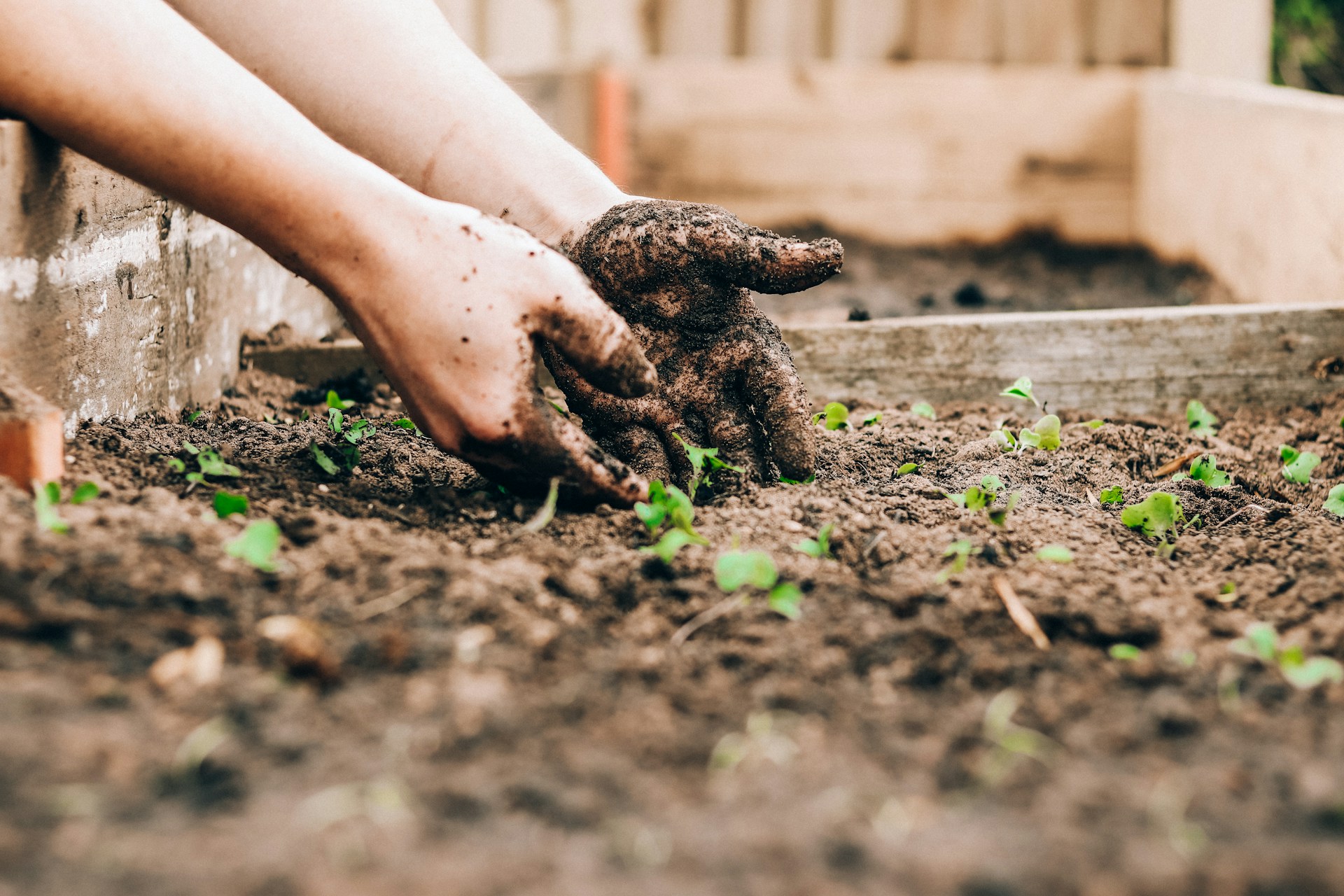
You do not need a large garden, or any garden, to garden mindfully. A few pots on a step, a window box or a single tomato plant in a bucket is enough. What matters is the quality of attention you bring. Gardening, done slowly, is one of the most natural mindfulness practices there is: it asks you to notice, to touch, to wait and to accept what you cannot control. In April, when everything is growing fast, it is also one of the most rewarding.
Why Gardening Suits a Quiet Mind
Most of what we do in a day happens on our schedule. Plants do not. They grow at their own pace, respond to weather you did not choose and sometimes fail for no reason you can find. Tending them puts you in a relationship where attention matters more than effort. The gardener who checks the soil, watches the leaves and waters when needed does better than the one who follows a rigid plan. That shift, from controlling to noticing, is the heart of mindfulness.
There is also the simple fact of using your hands. Soil, water, stems and leaves give the senses something real to rest on, and the body something gentle to do.
A Daily Practice in Ten Minutes
Pick a time, ideally the same one each day. Early morning works well in spring, before the heat and before the day’s demands. Then:
- Stand or crouch beside your plants and take three slow breaths before touching anything.
- Look. Spend a full minute simply seeing what is there: new growth, a yellowing leaf, a bud, an insect.
- Touch the soil with a finger to check for moisture. Notice the temperature and texture.
- Do what is needed and nothing more. Water if dry. Pinch a dead leaf. Turn a pot toward the light.
- Finish by noticing one thing that has changed since yesterday.
That is the whole practice. On some days there will be nothing to do, and the practice is simply to look.
Working With What Arises
Gardening offers plenty of small frustrations: a seedling eaten overnight, a plant that wilts despite your care, a week of rain that drowns the basil. Each is a chance to notice your reaction without rushing to fix it. Disappointment, impatience and the urge to blame yourself all show up in a garden, in manageable doses. Watching them come and go while you replant is good practice for the larger versions that life delivers.
The same goes for the pleasant surprises. The first flower, the smell of tomato leaves on your fingers, a bee arriving at the chives. Pause and let yourself enjoy them fully rather than moving on to the next task.
Slowing Down the Bigger Jobs
Planting day, repotting and weeding can be done mindfully too. Turn off the podcast for the first twenty minutes. Work at a pace slightly slower than feels natural. Notice the weight of the soil, the sound of water and the feel of roots. Take breaks to stand up, stretch and look at the whole space rather than the one square foot in front of you. Many people find that a slower hour of gardening leaves them more refreshed than a rushed two.
A Few Practical Notes
Wear gloves if you prefer, but try at least a few minutes barehanded to feel the soil. Protect yourself from the sun with a hat and sunscreen, and wash your hands well afterward. Keep a small notebook in the garden basket to jot down what you notice; over a season it becomes a record of attention as much as of plants. We make no health claims about gardening. It is simply a good way to spend a spring morning, and a quiet teacher if you let it be one.