Tag: spring

  • Switching Your Bed to Spring: Lighter Layers, Fresh Linens and Cooler Nights

    Switching Your Bed to Spring: Lighter Layers, Fresh Linens and Cooler Nights

    There is a particular pleasure in the first night you sleep under a lighter blanket with the window cracked open. In Middle Georgia, that night usually arrives in April. Switching your bed from winter to spring is a small seasonal ritual that improves sleep comfort and gives you a reason to wash, air and refresh everything you spend a third of your life on. This is general information about comfort; if you have ongoing sleep trouble, talk with your doctor.

    Why Bedding Matters More in Warm Weather

    Most people sleep better when they are slightly cool, and body temperature naturally drops through the night. In winter, heavy layers help you reach a comfortable warmth. In spring, those same layers trap heat and lead to the familiar pattern of kicking off the comforter at two in the morning and pulling it back at four. Lighter, breathable bedding lets your body regulate itself and makes the small hours less restless.

    A Spring Bed Changeover

    Pick a sunny, breezy day with a low pollen count if you can, and work through the bed from the bottom up:

    • Strip everything and let the mattress air for an hour with the window open.
    • Vacuum the mattress surface and rotate it end to end if the manufacturer recommends it.
    • Wash the mattress protector, pillow protectors and any washable pillows following their care labels. Dry pillows fully, with a couple of clean tennis balls in the dryer to keep them fluffy.
    • Fold and store the heavy comforter or duvet insert, clean, in a breathable cotton bag rather than plastic.
    • Replace it with a lightweight quilt, a cotton blanket or a summer-weight duvet insert.
    • Make the bed with fresh sheets and, if you like, an extra light blanket folded at the foot for cool nights.

    The whole process takes an afternoon and feels like a small spring cleaning in itself.

    Choosing Fabrics for Warm Nights

    Fiber matters more than thread count in warm weather. Cotton percale has a crisp, cool feel and breathes well. Linen is more textured and softens with every wash; it is especially good in humidity. Bamboo-derived fabrics and lightweight cotton sateen are smooth and cool against the skin. Flannel and heavy sateen are best packed away until fall. For a blanket, a loosely woven cotton or a thin quilt gives weight without heat.

    Light colors feel fresher in spring, though that is purely a matter of mood. Many people keep one set of crisp white or pale sheets for the warm months simply because they look cool.

    The Pleasure of Fresh Linens

    Clean sheets are one of life’s reliable small pleasures. In spring, wash them a little more often than in winter, since warmer nights mean more sweat and open windows mean more pollen. If you have a clothesline and a low-pollen day, line-dried sheets carry a scent no product can imitate. Otherwise, a lavender or cedar sachet in the linen closet, or a light mist of a hydrosol on the pillowcase, adds a gentle fragrance. Keep scent subtle in the bedroom; less is more where you breathe all night.

    Small Additions for Cooler Sleep

    • A ceiling fan or a quiet floor fan set on low moves air and adds a soft, steady sound many people sleep well to.
    • Open windows in the evening to let the house cool, then close them if pollen or noise is a concern.
    • Lightweight cotton or linen sleepwear, or none at all.
    • A glass of water on the nightstand for warm nights.

    Spring nights in Georgia are brief and lovely, a few weeks between the chill and the air-conditioned season. A bed made for them, light and fresh and cool, is a simple way to enjoy every one.

  • Beyond Sunscreen: Hats, Shade and Timing for Spring Days Outdoors

    Beyond Sunscreen: Hats, Shade and Timing for Spring Days Outdoors

    Sunscreen gets most of the attention in conversations about sun, and it deserves it. But sun care is more than a bottle. Shade, clothing, timing and a good hat have protected people for far longer than any lotion, and they work alongside sunscreen rather than instead of it. As spring pulls everyone outdoors in Georgia, here is a look at the habits beyond the bottle. This is general information; for personal guidance, especially if you have a history of skin concerns or take medications that affect sun sensitivity, talk with your doctor or dermatologist.

    Spring Sun Is Stronger Than It Feels

    Because the air is still mild in April, it is easy to underestimate the sun. The strength of ultraviolet light depends on the sun’s angle, not the temperature, and by late spring the angle is high. A cool, breezy afternoon in the garden can leave the back of your neck pink. Cloud cover reduces UV but does not block it, and light bounces off water, sand and pale pavement.

    Timing

    UV exposure is generally strongest in the middle of the day, roughly from late morning through midafternoon. If you have a choice about when to garden, walk or run, early morning and evening are gentler on skin and more pleasant in the Georgia heat anyway. A simple rule of thumb that many sun safety organizations share: when your shadow is shorter than you are, the sun is strong enough to warrant care.

    Shade

    Shade is the oldest sun protection there is. Trees, porches, umbrellas and awnings all reduce exposure, though none of them block it entirely because light scatters from the surroundings. A few habits:

    • Plan the shadiest route for a walk, which in Macon’s older neighborhoods usually means the streets with big oaks.
    • Set up outdoor seating under a tree or umbrella rather than in open sun.
    • Take breaks in the shade during long stretches of yard work.
    • Carry a compact umbrella on bright days. It is a common sight in many parts of the world and a sensible one.

    Hats and Clothing

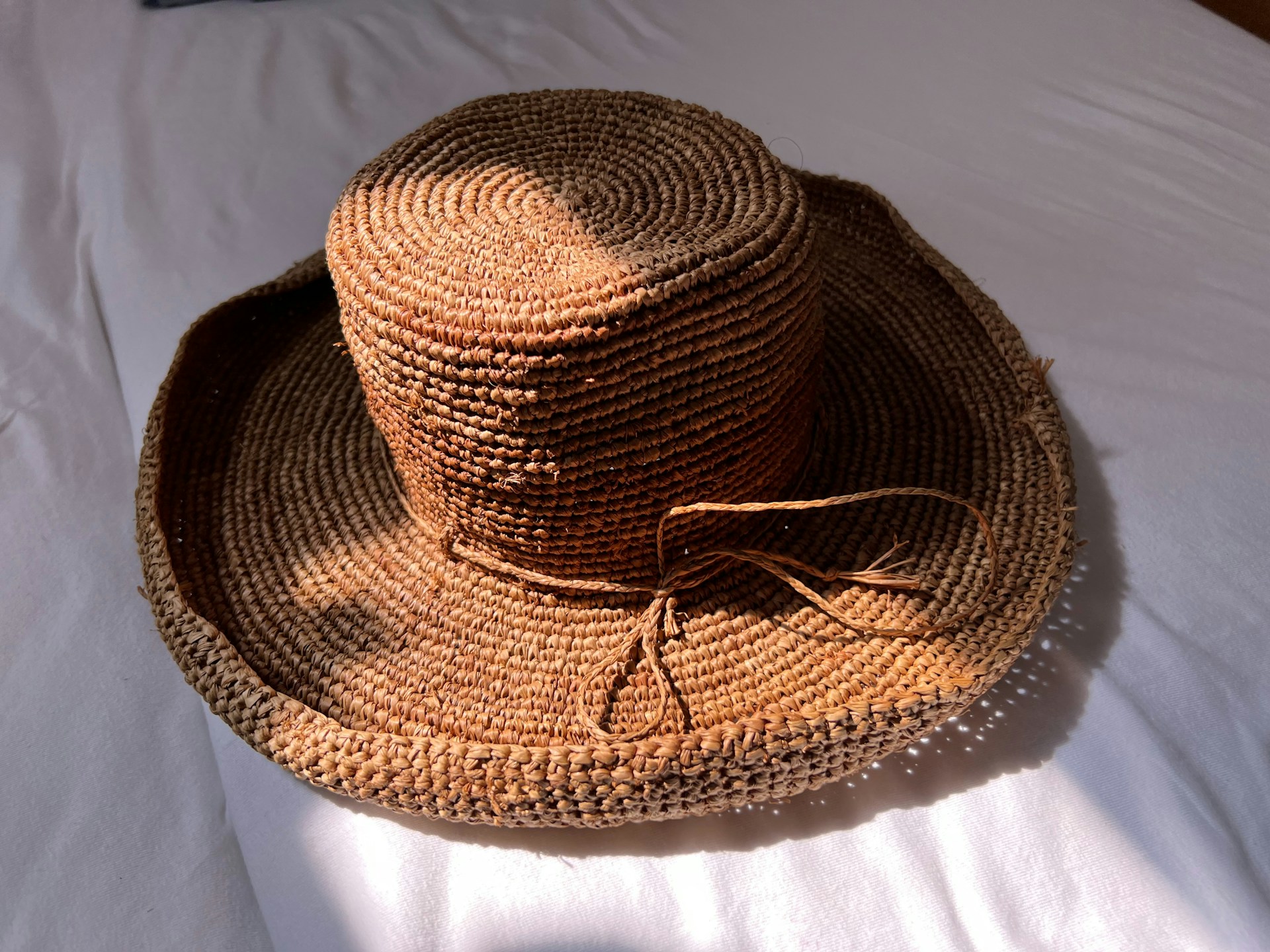
    A wide-brimmed hat protects the face, ears and neck better than a baseball cap, which leaves the ears and the back of the neck exposed. Look for a brim of three inches or more and a tightly woven fabric. For clothing, long sleeves and long pants in lightweight, breathable fabrics are surprisingly comfortable in spring heat and spare you a layer of sunscreen. Darker colors and denser weaves block more light than thin, pale fabrics. Some clothing is labeled with an ultraviolet protection factor, or UPF, which works like SPF for fabric. Sunglasses that block UV protect the eyes and the delicate skin around them.

    None of these replaces sunscreen on exposed skin. The point is that layering habits makes each one easier. A morning walk under oaks in a hat and long sleeves asks very little of your sunscreen. An afternoon in open sun at the lake asks a great deal of it, and that is when generous application and reapplication matter most. Many dermatology organizations suggest combining shade, protective clothing and broad-spectrum sunscreen as the standard approach, and that combination is also simply more comfortable.

    A Few Spring Reminders

    • Check that last year’s sunscreen is not expired.
    • Keep a hat by the door and a spare in the car.
    • Apply sunscreen to the easily forgotten spots: ears, the back of the neck, the tops of feet in sandals, the part in your hair.
    • Drink water. Sun care and hydration go together.

    Spring in Georgia is made for being outside. A hat, a shady route and a little attention to the hour let you enjoy all of it without paying for it later.

  • The Word ‘Detox’: What It Means, What It Does Not, and Gentler Spring Alternatives

    The Word ‘Detox’: What It Means, What It Does Not, and Gentler Spring Alternatives

    Every spring the word detox blooms along with the azaleas. Juices, teas, foot pads, body wraps and week-long plans all promise to flush out toxins and leave you renewed. The impulse behind the trend is a good one: spring really is a natural time to lighten up and start fresh. The word itself, though, is doing a lot of work it cannot support. Here is a plain look at what detox means, what it does not, and some gentler ways to answer the urge behind it. This is general information, not medical advice; talk with your doctor before changing your diet or starting any program.

    The Medical Meaning

    In medicine, detoxification has a specific meaning. It refers to the supervised treatment of poisoning or of withdrawal from alcohol or drugs, carried out in a hospital or clinic. It is a serious process for serious situations. The everyday use of the word, applied to a smoothie or a bath salt, borrows the authority of that meaning without any of the substance.

    What the Body Already Does

    Your body has an elaborate, continuous system for processing and removing waste and unwanted substances. The liver breaks down compounds so they can be excreted; the kidneys filter the blood; the lungs, skin and digestive system all play their parts. This system runs all day, every day, whether or not you drink a particular juice. When it is not working, the result is a medical emergency, not a feeling of sluggishness that a cleanse can fix.

    Products that claim to detox rarely say which toxins they remove, how, or how anyone would measure it. That vagueness is a reliable sign that the claim is marketing rather than information.

    Why the Idea Is So Appealing

    None of this means the people buying detox products are foolish. The appeal is understandable. After a winter of heavy food, less daylight and more time indoors, many people feel dull and want a clear turning point. A detox program offers a ritual, a beginning and an end, and a sense of taking control. Those are real needs. The question is whether there are ways to meet them that are honest and kind to your body.

    Gentler Spring Alternatives

    If what you want is to feel lighter and fresher, these ordinary habits tend to deliver that feeling without the promises:

    • Eat more vegetables and fruit, which are abundant and cheap in spring. A plate with more green on it is a reasonable goal.
    • Drink water through the day. Add cucumber, mint or citrus if plain water bores you.
    • Go to bed a little earlier for a week and notice the difference.
    • Walk outside every day, ideally in the morning light.
    • Cut back gradually on whatever you have been leaning on too heavily, whether that is sugar, alcohol or late-night scrolling.
    • Cook a few simple meals from scratch and eat them sitting down.

    None of these removes toxins. They do tend to help people feel better, and they do not require buying anything. If you have specific health questions, your doctor or a registered dietitian is the right person to ask.

    A Ritual Without the Claims

    If the ritual is what you are after, build one. Choose a week in April, clear the calendar of what you can, and plan simple meals, early nights, daily walks and an unhurried evening or two of self-care: a bath, a face mask, a facial steam with a sprig of rosemary, a slow cup of tea. Call it a spring reset rather than a detox. It will feel every bit as fresh, and you will not have to believe anything that is not true to enjoy it.

  • Gardening as Mindfulness: Tending a Few Pots With Full Attention

    Gardening as Mindfulness: Tending a Few Pots With Full Attention

    You do not need a large garden, or any garden, to garden mindfully. A few pots on a step, a window box or a single tomato plant in a bucket is enough. What matters is the quality of attention you bring. Gardening, done slowly, is one of the most natural mindfulness practices there is: it asks you to notice, to touch, to wait and to accept what you cannot control. In April, when everything is growing fast, it is also one of the most rewarding.

    Why Gardening Suits a Quiet Mind

    Most of what we do in a day happens on our schedule. Plants do not. They grow at their own pace, respond to weather you did not choose and sometimes fail for no reason you can find. Tending them puts you in a relationship where attention matters more than effort. The gardener who checks the soil, watches the leaves and waters when needed does better than the one who follows a rigid plan. That shift, from controlling to noticing, is the heart of mindfulness.

    There is also the simple fact of using your hands. Soil, water, stems and leaves give the senses something real to rest on, and the body something gentle to do.

    A Daily Practice in Ten Minutes

    Pick a time, ideally the same one each day. Early morning works well in spring, before the heat and before the day’s demands. Then:

    • Stand or crouch beside your plants and take three slow breaths before touching anything.
    • Look. Spend a full minute simply seeing what is there: new growth, a yellowing leaf, a bud, an insect.
    • Touch the soil with a finger to check for moisture. Notice the temperature and texture.
    • Do what is needed and nothing more. Water if dry. Pinch a dead leaf. Turn a pot toward the light.
    • Finish by noticing one thing that has changed since yesterday.

    That is the whole practice. On some days there will be nothing to do, and the practice is simply to look.

    Working With What Arises

    Gardening offers plenty of small frustrations: a seedling eaten overnight, a plant that wilts despite your care, a week of rain that drowns the basil. Each is a chance to notice your reaction without rushing to fix it. Disappointment, impatience and the urge to blame yourself all show up in a garden, in manageable doses. Watching them come and go while you replant is good practice for the larger versions that life delivers.

    The same goes for the pleasant surprises. The first flower, the smell of tomato leaves on your fingers, a bee arriving at the chives. Pause and let yourself enjoy them fully rather than moving on to the next task.

    Slowing Down the Bigger Jobs

    Planting day, repotting and weeding can be done mindfully too. Turn off the podcast for the first twenty minutes. Work at a pace slightly slower than feels natural. Notice the weight of the soil, the sound of water and the feel of roots. Take breaks to stand up, stretch and look at the whole space rather than the one square foot in front of you. Many people find that a slower hour of gardening leaves them more refreshed than a rushed two.

    A Few Practical Notes

    Wear gloves if you prefer, but try at least a few minutes barehanded to feel the soil. Protect yourself from the sun with a hat and sunscreen, and wash your hands well afterward. Keep a small notebook in the garden basket to jot down what you notice; over a season it becomes a record of attention as much as of plants. We make no health claims about gardening. It is simply a good way to spend a spring morning, and a quiet teacher if you let it be one.

  • Humidity Returns: Keeping Skin Comfortable as Georgia Warms Up

    Humidity Returns: Keeping Skin Comfortable as Georgia Warms Up

    By mid-April, the air in Middle Georgia has changed. Mornings are soft, afternoons are warm and the humidity that defines a Southern summer begins to creep back. Skin notices before the calendar does. Products that felt perfect in February suddenly feel heavy, foreheads shine by lunchtime and sweat becomes part of the day. A few adjustments keep skin comfortable as the season turns. This is general skincare information; for a skin condition or persistent concern, see a dermatologist.

    What Humidity Does to Skin

    Humid air holds more water, and skin loses less moisture to it. For many people that is good news: the tightness and flaking of winter ease without any help. At the same time, warmth tends to increase oil production, and sweat mixes with oil, sunscreen and pollen on the surface. The result is skin that may feel both more comfortable and more congested than it did in the cold months.

    Lighten the Layers

    The simplest spring adjustment is to use less. Try these one at a time and give each a week:

    • Switch a rich cream for a lotion or gel-cream, or save the cream for night only.
    • Use a smaller amount of whatever you apply. A pea-sized dab of moisturizer often covers the face in humid weather.
    • Trade a cream cleanser for a gel if your skin feels oily by midday.
    • Set aside heavy facial oils until fall, or use a single drop only where skin still feels dry.

    Lighter does not mean skipping. Even oily skin generally feels better with a light moisturizer than with none, and sunscreen remains essential every day.

    Sunscreen in Warm Weather

    Thick, greasy sunscreens are the main reason people stop wearing them when it gets hot. Look for a lightweight, broad-spectrum formula labeled for the face, apply it generously in the morning and reapply if you are outdoors for long stretches or sweating heavily. A mineral powder sunscreen or a spray can make midday reapplication easier over makeup.

    Managing Sweat and Shine

    Sweat itself is not bad for skin, but letting it sit mixed with sunscreen and grime can feel uncomfortable. After a workout or a hot afternoon of yard work, rinse your face with lukewarm water and a gentle cleanser as soon as is practical, then apply a light moisturizer. For shine during the day, blotting papers absorb oil without disturbing sunscreen; powder adds coverage but can build up. Avoid the temptation to wash more than twice a day with cleanser, which tends to leave skin tight and can make it feel oilier in response.

    Body Skin Needs Attention Too

    Humidity affects more than the face. Areas where skin rubs or stays damp, such as under arms, beneath clothing bands and between toes, benefit from being washed and thoroughly dried each day. Breathable fabrics such as cotton and linen help. A lighter body lotion replaces the heavy winter butter, and a quick rinse in the evening after a sweaty day makes bed feel better. For feet, let sandals and shoes dry out fully between wearings.

    Spring in Georgia is changeable, and a cool snap can send skin back to winter behavior for a week. Rather than following a fixed routine, pay attention each morning. Does your skin feel tight, comfortable or oily? Adjust that day’s products to match. By late May the humidity will be here to stay, and a lighter routine that you settled into gradually in April will already feel like second nature.

  • April Showers: A Cozy Self-Care Afternoon for a Rainy Spring Day

    April Showers: A Cozy Self-Care Afternoon for a Rainy Spring Day

    April brings rain to Middle Georgia, often in the form of a gray, steady day that cancels plans and keeps everyone indoors. It is tempting to treat these days as lost. They are not. A rainy spring afternoon, with the pollen washed out of the air and the garden drinking, is one of the best settings for unhurried self-care. Here is how to make the most of one.

    Let the Rain Set the Pace

    The first step is to stop fighting the weather. Cancel what can be cancelled and move what can be moved. Then open the blinds rather than closing them. Rain on windows, the gray light and the sound on the roof are the atmosphere for the afternoon, not something to shut out. If you have a covered porch, a few minutes sitting there with a blanket, listening, is a lovely way to begin.

    A Loose Plan for the Afternoon

    You do not need a schedule, but a gentle sequence keeps the hours from dissolving into a screen. One version:

    • Start with a warm drink and ten minutes of doing nothing, watching the rain.
    • Move into something with your hands: baking, a puzzle, sketching, tending houseplants.
    • Take a bath or a long shower in the middle of the afternoon, which feels indulgent precisely because it is the middle of the afternoon.
    • Follow with your full skincare routine, unhurried: cleanse, a mask if you like, a facial massage, moisturizer.
    • Read, nap or listen to music until dinner.

    Any one of these alone is enough. The point is to choose rather than drift.

    Scents for a Rainy Day

    Rain has its own smell, the earthy scent called petrichor that rises when rain hits dry ground. Indoors, people often reach for warm, cozy scents on gray days: vanilla, sandalwood, cedar, a little orange. Others prefer something green and fresh to echo the garden. A diffuser running for half an hour, a candle or a pot of simmering water with citrus peel and a cinnamon stick all work. Keep a window cracked a little for ventilation, and enjoy the way the damp air seems to hold scent longer.

    Something Warm From the Kitchen

    Rainy days and ovens belong together. Bread, muffins, a pot of soup or a tray of roasted vegetables fills the house with warmth and smell and gives the afternoon a center. Cooking slowly, without rushing toward a result, is a mindfulness practice in disguise. If baking is not your thing, a pot of tea made properly, in a teapot, with a few minutes spent watching it steep, offers the same small ceremony.

    Rest Without Guilt

    A rainy day gives permission that a sunny one does not. There is no garden to tend, no walk you should be taking. If you want to nap, nap. If you want to lie on the sofa and watch the ceiling, that is allowed. Many people find that a day of genuine rest in the middle of a busy spring does more for their mood than a week of trying to squeeze relaxation into the gaps. We make no claims about health, only the observation that rest is good, and rain makes it easier.

    Spring showers in Georgia often end abruptly, with sun breaking through in late afternoon. Step outside when it does. The air is washed clean of pollen, the greens are brighter, everything drips and shines, and the birds come back all at once. A short walk around the block after rain is one of the finest free pleasures of April. Then come back in, having spent a gray day exactly as it asked to be spent.

  • Hosting a Calm Spring Gathering: Hospitality Without the Stress

    Hosting a Calm Spring Gathering: Hospitality Without the Stress

    Spring is a season for gathering. Easter and Passover bring families to the table, graduations and showers fill the calendar, and warm evenings invite friends over simply because the porch is finally usable. Hosting should be a pleasure, and often it is not. The planning, the cleaning and the worry about whether everything is good enough can leave a host too frazzled to enjoy the people they invited. Here is a gentler way to think about it.

    Decide What the Gathering Is For

    Before the menu, ask the simplest question: what do you want people to feel when they leave? Usually the answer is welcomed, relaxed and glad they came. Nobody remembers whether the napkins matched. They remember whether the host seemed happy to see them. Every decision afterward can be checked against that answer. If an element adds stress without adding warmth, drop it.

    Keep the Food Simple

    A calm host cooks food that can be made ahead and served at room temperature. In spring that is easy: a big salad with whatever is fresh, a platter of roasted vegetables, a simple quiche or frittata, good bread, a bowl of strawberries, a cheese board. Choose dishes you have made before. Ask guests to bring one thing each if they offer, and let them. Set drinks out in a tub of ice where people can help themselves, so you are not pouring all evening.

    Plan for one less dish than you think you need. There is always too much food.

    Prepare the Space, Not Perfection

    Clean the rooms guests will actually see: the entry, the bathroom, the kitchen and wherever people will sit. Close the doors on the rest. During pollen season, wipe down the porch furniture and shake out the cushions an hour before people arrive. Then set the mood with the few things that matter:

    • Soft lighting, especially as evening comes. Lamps and string lights rather than overhead glare.
    • Music at a volume that lets people talk.
    • A pleasant scent, lightly: a vase of fresh herbs or flowers, a candle in the bathroom, a few minutes of a diffuser before guests arrive and then off. Many people are sensitive to fragrance, so keep it subtle.
    • Plenty of places to sit, including some outside.

    Give Yourself an Hour

    The most useful planning decision is to finish all preparation one hour before guests are due. Use that hour for yourself. Shower, dress, do your skincare slowly, sit down with a glass of water on the porch and breathe. Arriving at your own party rested changes everything. Guests take their cue from the host, and a calm host makes a calm room.

    During the gathering, let things be imperfect. If the bread is late, people will talk while they wait. If someone spills, hand them a cloth and a smile. Resist the urge to clean as you go; the dishes will still be there tomorrow. Spend your energy on the person in front of you. If you notice yourself tightening up, step into the kitchen for one slow breath and a sip of water, then return.

    The Morning After

    Plan a quiet morning. Leave the heavy cleanup for after coffee, and do it with music on and the windows open. Then sit for a few minutes and think about one good conversation from the evening. That is what the gathering was for. A spring party does not need to be a production. It needs a warm host, simple food and a porch. Everything else is optional.

  • Caring for Your Skin and Hands After a Day in the Garden

    Caring for Your Skin and Hands After a Day in the Garden

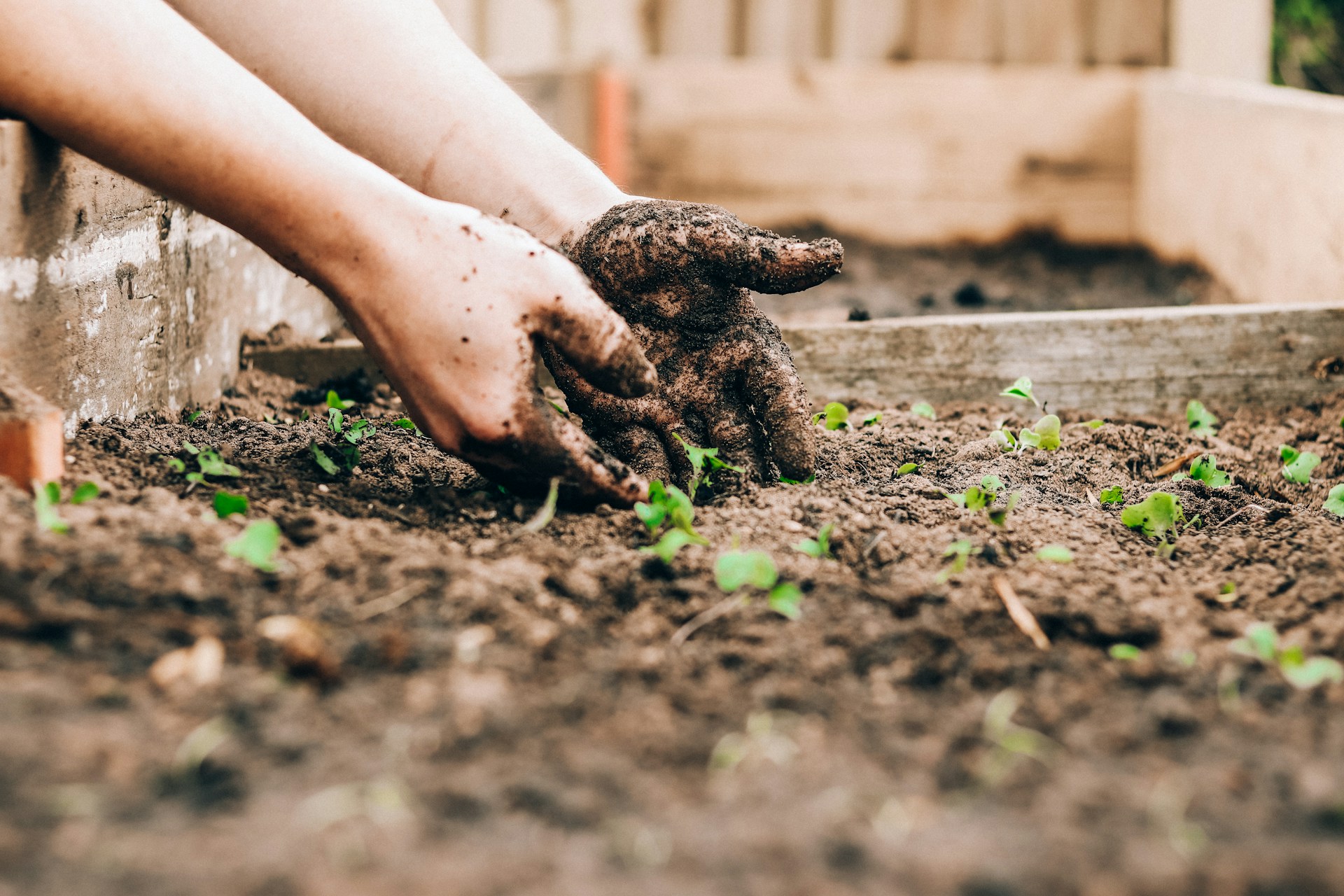
    Few things feel as satisfying as an afternoon in the garden in spring, and few leave hands and skin in rougher shape. Soil dries the skin, sun catches the back of the neck, thorns and rough stems leave scratches, and pollen settles on everything. A simple care routine after yard work keeps the pleasure without the sting. This is general skincare information; for cuts that look infected, rashes or persistent irritation, see your doctor.

    Before You Start

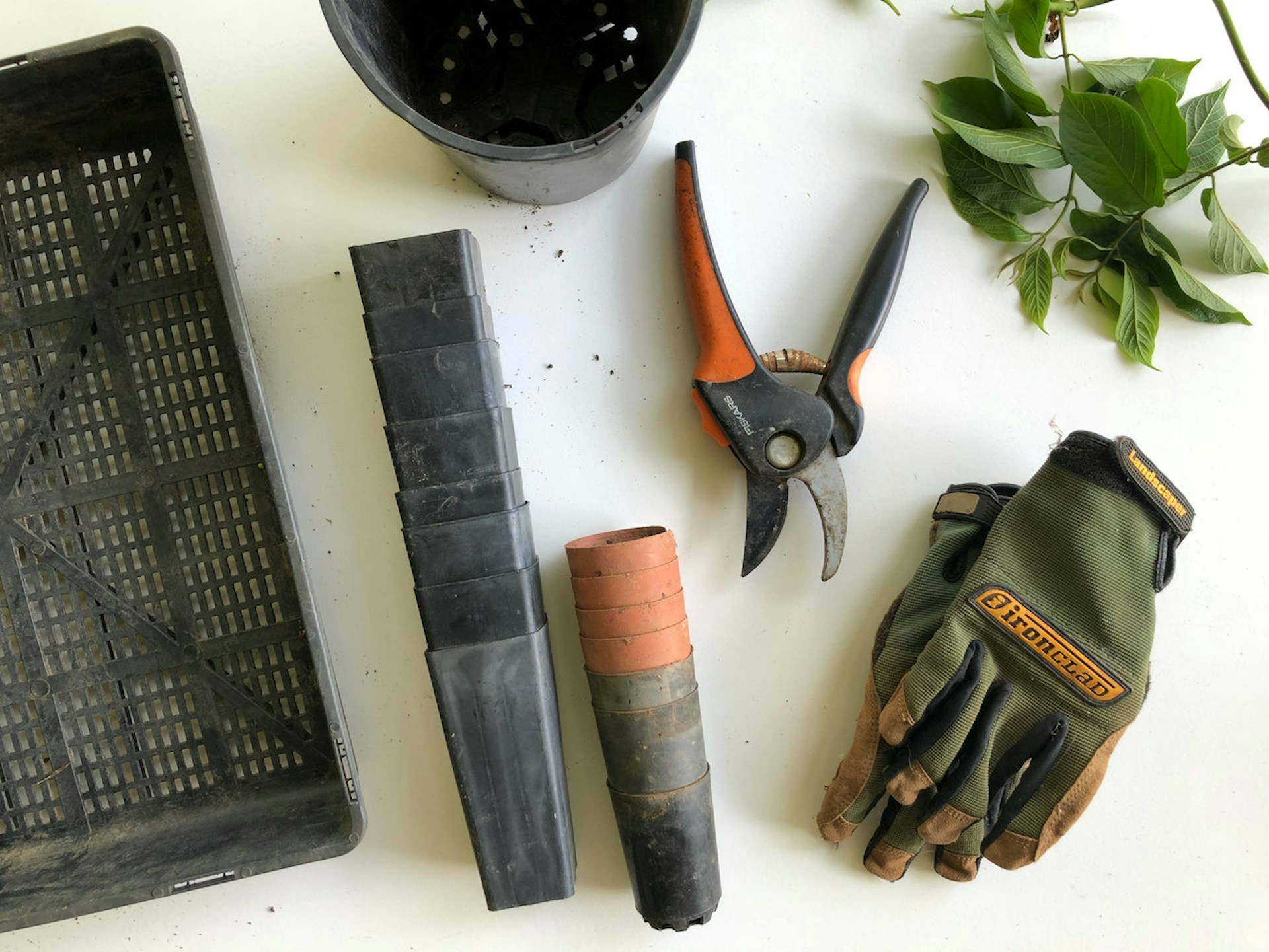
    The gentlest after-care begins before you pick up a trowel. Apply a broad-spectrum sunscreen to your face, neck, ears and the backs of your hands, and reapply if you are out for more than a couple of hours. Wear a wide-brimmed hat and, if the sun is strong, a lightweight long-sleeved shirt. Put on gloves. Many gardeners also rub a little hand cream or balm into their hands before gloving up, so that soil has less chance to settle into dry skin. Scrape your nails over a bar of soap to keep dirt from packing underneath them.

    Washing Up

    When you come in, wash your hands first with lukewarm water and a gentle soap. A soft nail brush helps with the creases of knuckles and under nails. Resist the urge to scrub with harsh grit, which leaves skin raw. Then wash your face and the back of your neck, where sweat, sunscreen and pollen have been collecting all afternoon.

    If you have been working around plants with sap, such as figs or euphorbias, wash any skin that touched them promptly, since some plant saps can irritate skin, especially in sunlight. If you suspect you brushed against poison ivy, which is common along Georgia woods and fencelines, wash the area thoroughly with soap and cool water as soon as possible and launder the clothes you were wearing separately.

    Scratches and Splinters

    Rinse small scratches with clean water, pat dry and cover them if they are in a spot that will get dirty again. Remove splinters with clean tweezers. Keep an eye on any break in the skin from soil or thorns; if it becomes red, warm, swollen or painful over the next day or two, see a doctor. Rose thorns and old wood in particular are worth watching.

    Moisturize Generously

    Soil, water and sun are a drying combination. After washing, apply a rich hand cream while your hands are still slightly damp and work it around the nails and cuticles. Many gardeners keep a thick balm by the bed and wear thin cotton gloves over it overnight once or twice a week during the busy season. For the face and neck, use your usual moisturizer, and consider a lighter lotion for arms and legs if they were exposed.

    Kneeling and crouching are hard on knees and the tops of feet, and sandals let dirt in everywhere. A kneeling pad saves both knees and clothes. In the evening, a warm foot soak with a handful of plain salt, followed by a pumice stone on rough patches and a layer of cream, is a pleasant way to close a gardening day.

    Making It a Ritual

    None of this takes long. Fifteen minutes of washing, tending and moisturizing is a small price for an afternoon outside. Many people come to enjoy it as the last act of the day’s work: a slow wash, a scented cream, a glass of cold water and a look out the window at what they have planted. The garden rewards care, and so does the gardener.

  • Understanding Your Skin Type: Dry, Oily, Combination and Sensitive

    Understanding Your Skin Type: Dry, Oily, Combination and Sensitive

    Walk down any skincare aisle and you will see products sorted by skin type. Dry, oily, combination, sensitive and normal appear on nearly every label. The categories are useful, but many people are not sure which one applies to them, or they chose one years ago and never revisited it. Spring, when the air in Georgia begins to warm and humidity returns, is a good time to take another look. This is general skincare information; for persistent concerns or a skin condition, see a dermatologist.

    What the Types Mean

    Skin type is mostly about how much oil, called sebum, your skin produces and how well it holds moisture.

    • Dry skin produces less oil. It may feel tight after washing, look a little dull or flaky, and absorb moisturizer quickly.
    • Oily skin produces more. It tends to look shiny by midday, especially on the forehead and nose, and makeup may slide.
    • Combination skin is oily in some areas, usually the T-zone across the forehead, nose and chin, and normal or dry on the cheeks. It is very common.
    • Normal skin sits in the middle: neither tight nor shiny, with few areas of concern.
    • Sensitive skin is less a type than a tendency. It reacts easily to products, weather or fabrics with stinging, redness or itch, and it can overlap with any of the others.

    A Simple Way to Check

    One common method takes about an hour. Wash your face with a gentle cleanser, pat dry and apply nothing. Wait sixty minutes, then look in a mirror in natural light and notice how your skin feels.

    • Tight everywhere, maybe flaky: likely dry.
    • Shiny everywhere: likely oily.
    • Shiny in the T-zone, comfortable on the cheeks: likely combination.
    • Comfortable all over: likely normal.

    Repeat the check in a different season if you can. Many people are drier in January and oilier in July.

    Why It Shifts

    Skin type is not fixed for life. Age, climate, hormones, stress, sleep and the products you use all nudge it one way or another. Georgia’s humid summers often make skin feel oilier, while heated indoor air in winter can leave even oily skin feeling tight. A move, a new job with more time outdoors or a change in routine can all show up on your face. If your skin seems to have changed, it probably has, and your products can change with it.

    Matching the Basics

    You do not need a complicated routine for any skin type. A gentle cleanser, a moisturizer and daily sunscreen cover the essentials. The variation is in texture:

    • Dry skin generally prefers cream cleansers and richer moisturizers.
    • Oily skin often feels better with gel or foaming cleansers and lightweight lotions or gels.
    • Combination skin may use a lighter product on the T-zone and a richer one on the cheeks, or one middle-weight product all over.
    • Sensitive skin tends to do best with fragrance-free products and a short ingredient list, introduced one at a time.

    When to Ask a Professional

    If your skin stings with most products, breaks out persistently or has patches that do not settle, a dermatologist can help you sort out what is happening. A licensed esthetician can also help you understand your skin type during a facial consultation. Knowing your type is not about labeling yourself. It is simply a way to choose products that feel comfortable, which is the whole point.

  • Spring Journaling Prompts for Renewal and Letting Go

    Spring Journaling Prompts for Renewal and Letting Go

    Journaling in spring has a different flavor than journaling in winter. The reflective, inward mood of January gives way to something lighter and more forward-looking. Windows open, gardens wake up and the year still feels young. If you keep a notebook, or would like to start, the following prompts are built around the season’s two great themes: renewal and letting go. Take one a day, or a few a week, and write for ten minutes without worrying about the result.

    How to Use These Prompts

    There are no rules, but a few habits make journaling easier to keep:

    • Write by hand if you can. It is slower, and slower is the point.
    • Set a timer for ten minutes and keep the pen moving even if you write about having nothing to say.
    • Do not reread as you go, and do not edit.
    • Pair the practice with something pleasant: a cup of tea on the porch, a few minutes in the garden first.

    If writing stirs up difficult feelings that do not settle, consider talking with a counselor. Journaling is a companion to care, not a replacement for it.

    Prompts for Letting Go

    • What did I carry through the winter that I no longer need to carry?
    • Which habit has quietly stopped serving me, and what would it feel like to set it down?
    • Name one worry that has been taking up space. Is it mine to solve this week? If not, where could it rest?
    • What is one belief about myself that was true once but may not be true now?
    • If I cleared one shelf in my mind the way I clear a shelf in spring cleaning, what would go in the donation box?
    • What apology, to myself or someone else, have I been postponing?

    Prompts for Renewal

    • What does the word fresh mean to me this year?
    • Describe a morning this spring that would feel like a gift. Where am I, and what do I notice?
    • What is something I used to love doing that I have not done in a long time? What would it take to do it once this month?
    • Who do I want to spend more time with as the days get longer?
    • What small thing could I plant, literally or figuratively, that would be worth tending all summer?
    • Which part of my daily routine feels most alive right now, and how could I give it a little more room?

    Prompts for Noticing

    Spring is also a season for paying attention. These prompts ask you to look outward:

    • What is blooming within a hundred yards of my front door? Go and check, then write about it.
    • Describe the sounds of a spring morning in as much detail as possible.
    • What smell says spring to me, and what memory does it carry?
    • What is one thing I saw today that I would have missed in a hurry?

    A Gentle Review at Month’s End

    On the last day of March or April, read back over the month’s pages. Do not judge the writing. Look for patterns: a worry that showed up again and again, a wish that kept surfacing, a small joy you had forgotten. Write one short paragraph summarizing what you noticed and one sentence about what you would like to carry into the next month.

    A spring journal does not need to be profound. It is a place to set things down and to catch the season as it goes by. By summer, you will have a record of a few quiet weeks when everything was starting over, including, in small ways, you.