Healing Starts Within

💌 Discover our wellness rituals designed to reduce stress and revitalize.

Book Now · Call (478) 303-6936

Reserve your personalized wellness session today and take the first step toward deep healing.

Welcome to Lotus Natural Wellness

With Sonya Gordon

  • How to Choose a Sunscreen: SPF, Broad Spectrum and Water Resistance Explained

    How to Choose a Sunscreen: SPF, Broad Spectrum and Water Resistance Explained

    By May the sun over Georgia is already strong, and the sunscreen aisle is suddenly very long. Sprays, lotions, sticks, mineral, chemical, SPF 15 to SPF 100. The good news is that the front of the bottle uses a small number of regulated terms, and once you know what they mean, the choice gets much easier.

    What the SPF number tells you

    SPF stands for sun protection factor. It describes how well a product, applied as directed, shields skin from the ultraviolet B rays that cause sunburn. A higher number means more protection, but the scale is not linear, and the jump from SPF 30 to SPF 50 is smaller than the numbers suggest.

    Many dermatology organizations suggest SPF 30 or higher for time outdoors. What matters more than chasing a big number is applying enough product and reapplying it. Most people use far less than the amount the SPF rating assumes, which is why a generous layer of SPF 30 often serves better than a thin smear of something higher.

    Why “broad spectrum” matters

    SPF only measures UVB. Ultraviolet A rays reach deeper into the skin and are present all day and all year, even through clouds and window glass. A sunscreen labeled “broad spectrum” has passed a test showing it also protects against UVA. If a bottle does not say broad spectrum, it is only doing part of the job, no matter how high its SPF.

    Water resistant is not waterproof

    In the United States, sunscreen labels may not claim to be waterproof or sweatproof. Instead they can say “water resistant” followed by a time, usually 40 or 80 minutes. That number is how long the product kept its stated SPF during testing while the skin was in water. After that window, or after towel drying, you need to reapply. On a lake day or at the pool, that means reapplying more often than you probably think.

    Mineral or chemical?

    Mineral sunscreens rely on zinc oxide or titanium dioxide, which sit on the skin and scatter light. They can leave a faint white cast but tend to feel gentle, which is why many people with sensitive skin prefer them. Chemical sunscreens use filters that absorb UV and are often lighter and more transparent. Neither type is automatically better. The best sunscreen is the one you will actually wear, in the amount you actually need.

    A short checklist for the shelf

    • SPF 30 or higher for outdoor time
    • The words “broad spectrum” on the front
    • Water resistance if you will swim or sweat
    • A texture you like well enough to reapply
    • A date that has not passed, since sunscreen does lose effectiveness over time

    Sunscreen is one piece of a larger habit that includes shade, hats and timing your outdoor hours. If you have questions about your own skin, a history of skin concerns or a reaction to a product, talk to your doctor or a dermatologist. They can help you choose what suits you, so that the rest of us can get back to enjoying the long, bright days ahead.

  • Giving the Gift of Rest: Mother’s Day Ideas That Ask Nothing in Return

    Giving the Gift of Rest: Mother’s Day Ideas That Ask Nothing in Return

    Mother’s Day falls on the second Sunday in May, and by then the women in our lives have usually spent months being the one who remembers everything. The best gift is often not an object at all. It is an hour, a morning or a whole day in which nothing is asked of her.

    Here are some ways to give rest in a form she can actually use, whether she is a new mom, a grandmother or someone who mothers in ways that never came with a title.

    Clear her plate before you fill it

    A gift that creates work is not a gift. A fancy brunch she has to dress three children for, a project she has to assemble or a long drive on her one free day can quietly turn a celebration into another task.

    Before you plan anything, ask what would feel like relief. For some mothers that is a quiet house. For others it is company without responsibility: someone else cooks, someone else cleans, and she is simply invited to sit down. Both are valid, and the only way to know is to ask, or to pay close attention to what she sighs about.

    The gift of an empty morning

    One of the kindest things you can offer is an unhurried start. That might mean taking the children out early so she wakes to a silent house, leaving coffee and something simple to eat within reach, and making it clear there is no schedule until she decides there is.

    If she enjoys the outdoors, early May mornings in Middle Georgia are among the most pleasant of the year, before the heat and humidity settle in for the summer. A chair in the shade, a cold drink and nowhere to be can be worth more than any wrapped box.

    Small comforts that invite her to slow down

    If you do want something to hand her, choose things that make rest easier rather than things that need managing:

    • A soft throw or a lightweight cotton robe for warm evenings
    • A book she has mentioned wanting, with a note that reading it counts as doing something
    • A foot-soak basin with Epsom salt and a folded towel, set up and ready
    • A gift card for a facial, a massage or another wellness experience she can schedule when it suits her
    • A handwritten coupon for a chore she dislikes, honored without reminders

    The common thread is that each one says the same thing: your rest matters, and we will make space for it.

    Protect the day after, too

    Rest that ends abruptly on Monday morning can feel like a tease. If you can, extend the gift a little. Prep a weeknight meal, handle the school forms, or simply keep asking what would help through the week. A single day of being cared for lands much more softly when it is followed by a week of small kindnesses.

    And if the mother in your life has been feeling worn down in a way that a day off does not touch, encourage her gently to talk to her doctor. Rest is a wonderful gift, but it is not a substitute for care when care is needed.

    However you mark the day, remember that the point is not a perfect celebration. It is a woman who feels, for a few hours, that she can put everything down because someone else is holding it.

  • Why You Will Not Find Cure Claims on This Blog: How We Talk About Wellness

    Why You Will Not Find Cure Claims on This Blog: How We Talk About Wellness

    If you spend time on wellness websites, you may notice something missing from ours. We do not say that a scent will cure a headache, that a session will heal an illness or that a scan can detect what is wrong with you. We do not make those claims because they are not true, and because we think you deserve honesty from the people who care for you. This article explains how we talk about what we do, and why.

    What We Offer, in Plain Words

    A wellness studio offers experiences. An aromatherapy session is time spent with fragrance, gentle touch and quiet. A facial is cleansing, warmth and care for your skin. Time at an oxygen bar is a comfortable seat, a stream of lightly scented air and a chance to sit still. A Bio-Well scan is an interesting set of images and a conversation. Each of these can be relaxing, enjoyable and worth your time. None of them is medicine, and we describe them as what they are. For details about any experience, please visit our services page or contact us.

    Why We Avoid Health Claims

    There are three reasons.

    The first is honesty. Many wellness practices are pleasant and have long histories, but that is different from being proven to treat, prevent or cure a disease. When the evidence does not support a claim, we do not make it, even when others do.

    The second is safety. If someone believes an essential oil will handle an infection or a relaxation session will manage a serious condition, they may delay seeing a doctor. That delay can cause real harm. We would rather lose a booking than contribute to it.

    The third is respect. You are capable of deciding whether an hour of calm is worth it to you without being promised a miracle. We think the plain version is more appealing anyway.

    How We Describe Experiences

    You will notice certain patterns in how we write:

    • We describe what a session feels like, not what it will do to your health.
    • We say many people find something relaxing rather than claiming it relaxes everyone.
    • We share the history and lore of plants and practices as history and lore, not as evidence.
    • We tell you to talk with your doctor about any health concern, and we mean it.
    • When a practice has a scientific question mark over it, as the Bio-Well scan does, we say so directly.

    What Honesty Does Not Mean

    Being careful about claims does not mean we think these experiences are without value. Rest matters. Pleasant scent matters. Being touched with care and attention matters. Having time that belongs entirely to you matters. These are real goods, and people have sought them in bathhouses, gardens and quiet rooms for all of recorded history. We simply think they are valuable on their own terms, without needing to pretend they are something else.

    How to Read Any Wellness Claim

    We hope you bring the same skepticism everywhere, including here. A few questions help:

    • Does this promise to treat, cure or prevent a specific condition? If so, ask what the evidence is.
    • Does it discourage seeing a doctor or suggest stopping a treatment? That is a serious warning sign.
    • Does it use vague words such as toxins, energy or balance without explaining them?
    • Does it rely on testimonials rather than evidence?
    • Would the experience still be worth it if the claim were removed?

    That last question is the one we try to answer with everything we offer. We think a quiet, fragrant hour is worth it on its own. If you agree, we would be glad to see you. And if you have a health concern, please see your doctor first. We will be here afterward.

  • Himalayan Salt Lamps: What They Are and What They Are Not

    Himalayan Salt Lamps: What They Are and What They Are Not

    Himalayan salt lamps have become a fixture of bedrooms, yoga studios and gift shops. A rough chunk of pink salt with a bulb inside gives off a warm orange glow that many people find soothing. They are also sold with a long list of promised benefits, most of which do not stand up to scrutiny. Here is an honest look at what a salt lamp is, what it is not, and how to enjoy one for what it genuinely offers.

    Where the Salt Comes From

    Despite the name, most of the salt in these lamps does not come from the high Himalayas. It is mined in the Khewra region of Punjab, Pakistan, in the foothills, from one of the largest and oldest salt mines in the world. The deposits formed from an ancient sea hundreds of millions of years ago, and the pink and orange color comes from trace minerals, mostly iron, in the salt.

    A lamp is simply a block of this salt hollowed out to hold a small bulb, mounted on a wooden base. The bulb warms the salt slightly and lights it from within.

    The Claims

    Salt lamps are often said to release negative ions, purify the air, improve sleep, ease breathing and lift mood. We will be direct: there is no good evidence for any of these. The amount of ionization produced by a gently warmed block of salt is negligible, far too small to affect the air in a room. Independent testing has not found meaningful air-cleaning effects. If you have concerns about air quality, sleep or breathing, those are questions for your doctor, not for a lamp.

    This does not mean salt lamps are a scam. It means they are decor. Many of the things we love in our homes, from candles to wind chimes to a vase of flowers, make no health claims at all and are valued simply for how they make a space feel.

    What They Actually Offer

    The genuine appeal of a salt lamp is its light. The glow is warm, dim and amber, sitting at the opposite end of the spectrum from the cool blue light of screens. In the evening, replacing bright overhead lighting with low, warm sources is widely suggested as part of a calm wind-down, and a salt lamp is a pleasant way to do that.

    The lamps are also simply attractive objects, each one different, with a rough texture that catches light in interesting ways. As a nightlight in a hallway or a soft glow on a bedside table, they do their job well.

    Practical Notes

    • Salt attracts moisture. In humid Georgia air, a lamp that is switched off for long periods may begin to sweat and leave a puddle or a white crust on the surface beneath it. Running the bulb regularly keeps it dry, and a dish or coaster under the base protects furniture.
    • Buy from a reputable seller and look for a safety certification on the cord and dimmer. Some inexpensive lamps have been recalled in the past for electrical hazards.
    • Keep lamps out of reach of pets. Cats and dogs may lick the salt, and too much salt is harmful to animals. Ask your veterinarian if you have concerns.
    • Use the bulb wattage specified by the maker, and unplug the lamp when you leave for several days.

    Enjoying One Honestly

    If you own a salt lamp, or want one, there is no reason to feel foolish. Turn it on in the evening, let it be the only light in the room for a while, and enjoy the glow for exactly what it is: a warm, pretty light that makes a bedroom feel softer. That is a real pleasure, and it does not need a list of invented benefits to justify it.

  • Incense Through the Ages: History and Safe Enjoyment

    Incense Through the Ages: History and Safe Enjoyment

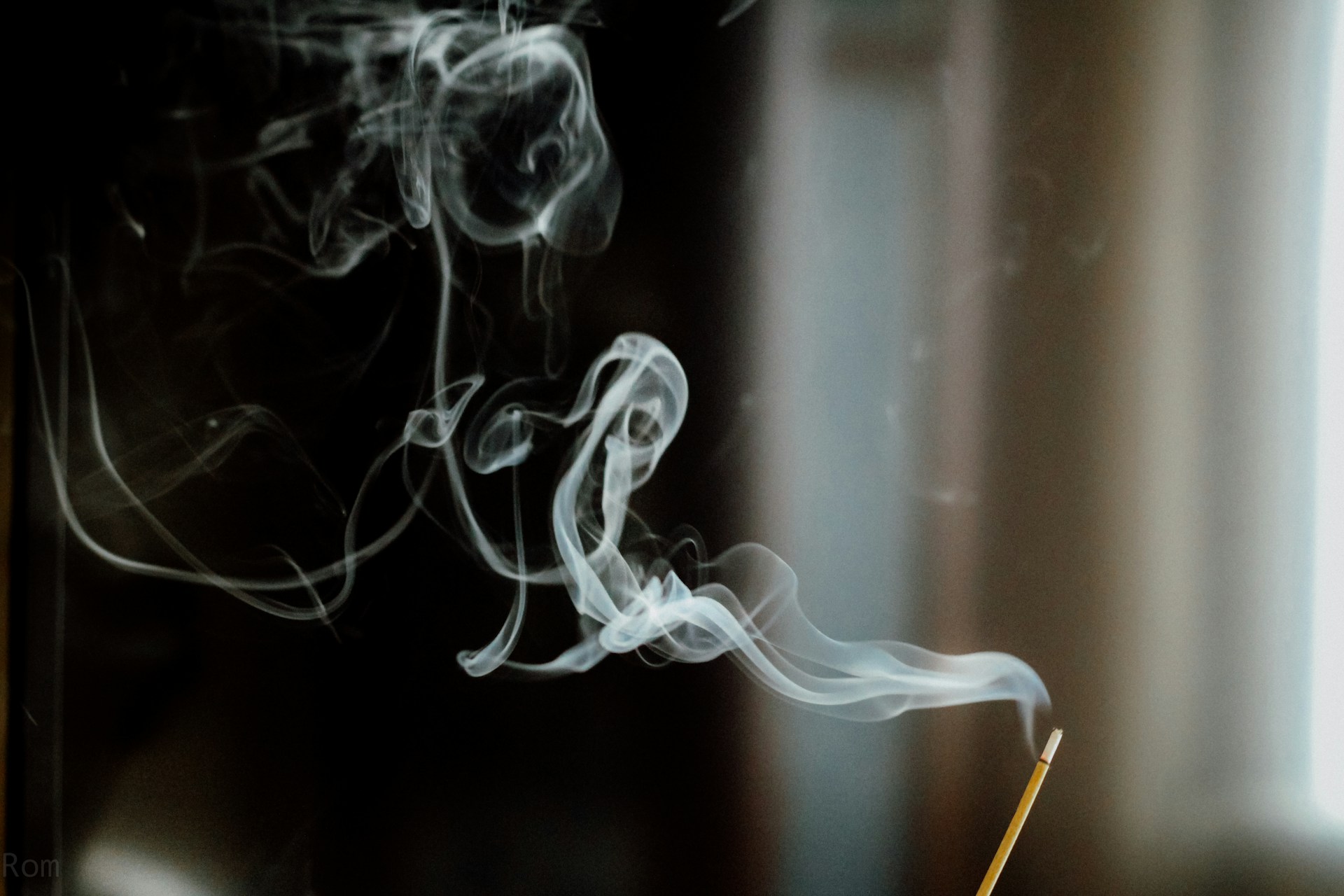
    Incense is among the oldest ways humans have used fragrance. Long before essential oils or perfume bottles, people burned resins, woods, barks and dried herbs and let the smoke carry scent into the air and, they believed, toward the heavens. The practice is found on nearly every continent and remains part of worship, meditation and daily life for hundreds of millions of people. Here is a short history and a guide to enjoying it thoughtfully at home.

    Ancient Smoke

    The word incense comes from the Latin for something burned, and the earliest evidence of its use goes back thousands of years. Ancient Egyptians burned resins such as frankincense and myrrh in temples and made elaborate blends for ceremonies. Frankincense and myrrh were traded across the Arabian Peninsula and East Africa along routes that enriched some of the ancient world’s wealthiest kingdoms, and both appear in Hebrew scripture and later in Christian liturgy.

    In India, incense has been part of religious practice for millennia, and the stick incense most people recognize today, with a bamboo core coated in fragrant paste, developed there. In China, incense accompanied Buddhist and Daoist worship and was used to mark time, with incense clocks burning at a known rate. In Japan, the appreciation of incense became a refined art called kodo, the way of fragrance, in which participants listen to incense, savoring subtle differences between rare woods.

    Forms of Incense

    • Sticks, with or without a bamboo core. The most common and easiest to use.
    • Cones, which burn down to a small pile of ash and release scent more intensely.
    • Coils, which burn for many hours and are common in East Asian temples.
    • Loose resins such as frankincense, myrrh, copal and benzoin, burned on a charcoal disc or an electric heater.
    • Dried herb bundles, used in several traditions around the world.

    Quality varies enormously. Inexpensive incense is often made with synthetic fragrance on a sawdust base, while traditional Japanese and Indian makers use natural woods, resins and herbs. The difference in scent is noticeable, and higher-quality incense usually produces less smoke.

    Enjoying It Safely

    Incense is smoke, and smoke in a closed room is worth taking seriously. A few sensible habits:

    • Burn in a ventilated room with a window open, and keep sessions short. One stick is plenty for most spaces.
    • Use a proper holder with a tray that catches ash, placed on a heat-resistant surface away from anything that can catch.
    • Never leave burning incense unattended, and make sure it is fully out before you leave the room.
    • Keep it away from children and pets, and consider whether smoke is appropriate in a home with birds or other small animals, which are sensitive to air quality.
    • If you have asthma or another breathing concern, talk with your doctor before burning incense, and consider gentler alternatives such as a diffuser.

    We make no health claims about incense. It is enjoyed for its scent and for the quiet ritual of lighting it.

    Incense as a Ritual

    Part of incense’s lasting appeal is that it takes time. A stick burns for twenty or thirty minutes, and the scent builds slowly. Many people light one at the start of a meditation or journaling session, letting the burn mark the length of the practice as the old incense clocks did. Others burn a little in the evening as a signal that the day is winding down. The smoke itself can be an object of attention: watching it curl and drift is a simple, ancient form of mindfulness.

    On a mild April evening, with the window open and the sounds of the neighborhood drifting in, a single stick of good sandalwood or a pinch of frankincense on a warm coal connects you to one of the longest unbroken traditions in human life.

  • Switching Your Bed to Spring: Lighter Layers, Fresh Linens and Cooler Nights

    Switching Your Bed to Spring: Lighter Layers, Fresh Linens and Cooler Nights

    There is a particular pleasure in the first night you sleep under a lighter blanket with the window cracked open. In Middle Georgia, that night usually arrives in April. Switching your bed from winter to spring is a small seasonal ritual that improves sleep comfort and gives you a reason to wash, air and refresh everything you spend a third of your life on. This is general information about comfort; if you have ongoing sleep trouble, talk with your doctor.

    Why Bedding Matters More in Warm Weather

    Most people sleep better when they are slightly cool, and body temperature naturally drops through the night. In winter, heavy layers help you reach a comfortable warmth. In spring, those same layers trap heat and lead to the familiar pattern of kicking off the comforter at two in the morning and pulling it back at four. Lighter, breathable bedding lets your body regulate itself and makes the small hours less restless.

    A Spring Bed Changeover

    Pick a sunny, breezy day with a low pollen count if you can, and work through the bed from the bottom up:

    • Strip everything and let the mattress air for an hour with the window open.
    • Vacuum the mattress surface and rotate it end to end if the manufacturer recommends it.
    • Wash the mattress protector, pillow protectors and any washable pillows following their care labels. Dry pillows fully, with a couple of clean tennis balls in the dryer to keep them fluffy.
    • Fold and store the heavy comforter or duvet insert, clean, in a breathable cotton bag rather than plastic.
    • Replace it with a lightweight quilt, a cotton blanket or a summer-weight duvet insert.
    • Make the bed with fresh sheets and, if you like, an extra light blanket folded at the foot for cool nights.

    The whole process takes an afternoon and feels like a small spring cleaning in itself.

    Choosing Fabrics for Warm Nights

    Fiber matters more than thread count in warm weather. Cotton percale has a crisp, cool feel and breathes well. Linen is more textured and softens with every wash; it is especially good in humidity. Bamboo-derived fabrics and lightweight cotton sateen are smooth and cool against the skin. Flannel and heavy sateen are best packed away until fall. For a blanket, a loosely woven cotton or a thin quilt gives weight without heat.

    Light colors feel fresher in spring, though that is purely a matter of mood. Many people keep one set of crisp white or pale sheets for the warm months simply because they look cool.

    The Pleasure of Fresh Linens

    Clean sheets are one of life’s reliable small pleasures. In spring, wash them a little more often than in winter, since warmer nights mean more sweat and open windows mean more pollen. If you have a clothesline and a low-pollen day, line-dried sheets carry a scent no product can imitate. Otherwise, a lavender or cedar sachet in the linen closet, or a light mist of a hydrosol on the pillowcase, adds a gentle fragrance. Keep scent subtle in the bedroom; less is more where you breathe all night.

    Small Additions for Cooler Sleep

    • A ceiling fan or a quiet floor fan set on low moves air and adds a soft, steady sound many people sleep well to.
    • Open windows in the evening to let the house cool, then close them if pollen or noise is a concern.
    • Lightweight cotton or linen sleepwear, or none at all.
    • A glass of water on the nightstand for warm nights.

    Spring nights in Georgia are brief and lovely, a few weeks between the chill and the air-conditioned season. A bed made for them, light and fresh and cool, is a simple way to enjoy every one.

  • Yoga Nidra: An Introduction to the Practice of Deep Rest

    Yoga Nidra: An Introduction to the Practice of Deep Rest

    Yoga nidra is sometimes translated as yogic sleep, which is both accurate and slightly misleading. The practice is done lying down, usually with a blanket and an eye pillow, and many people drift close to sleep during it. But the intention is not to fall asleep. It is to rest deeply while remaining faintly aware, following a guide’s voice through a structured journey of attention. For people who find seated meditation difficult, yoga nidra is often a welcome alternative. It is a relaxation practice, not a treatment; if you have a health concern, talk with your doctor.

    Where It Comes From

    The term appears in old Indian texts, where it refers to a state of conscious rest. The modern, structured practice most studios teach today was developed in the mid-twentieth century by Swami Satyananda Saraswati, a teacher who drew on traditional tantric practices and arranged them into a guided sequence that could be taught to ordinary people. Other teachers have since created their own variations, and recordings are widely available, but most follow a similar shape.

    What a Session Looks Like

    A session usually lasts twenty to forty-five minutes and is entirely guided. You do nothing but lie still and listen. A typical sequence:

    • Settling. You lie on your back, get comfortable with props and are invited to let the body grow heavy.
    • Intention. The guide asks you to bring to mind a short, positive statement about how you want to live, sometimes called a sankalpa, and to repeat it silently.
    • Rotation of awareness. The guide names parts of the body in a set order, often quite quickly, and you move your attention to each one without moving the body itself.
    • Breath awareness. You notice the breath moving in and out, sometimes counting backward.
    • Sensations and images. The guide may invite you to notice opposites, such as heaviness and lightness or warmth and coolness, or to picture a series of simple images.
    • Return. You revisit your intention, then slowly bring awareness back to the room before moving.

    If you fall asleep partway through, that is fine. Many people do. The practice still counts.

    Setting Up at Home

    You need very little:

    • A quiet room and a yoga mat, carpet or bed.
    • A blanket, since body temperature drops during deep rest.
    • A pillow under the head and perhaps a rolled towel under the knees.
    • An eye pillow or a folded cloth over the eyes.
    • A recording. Many free ones exist; choose a voice you find pleasant and a length that fits your schedule.

    Late afternoon or early evening is a popular time, but any hour works. Some people use a short session as a reset between the workday and the evening.

    How It Differs From a Nap

    A nap is unstructured sleep. Yoga nidra is a guided practice in which you aim to stay on the edge of awareness. Many people describe the state as being awake and asleep at the same time, hearing the voice but feeling very far away. That borderline is where the practice lives, and it tends to get easier to find with repetition.

    A Gentle Beginning

    Start with a short recording of fifteen or twenty minutes, two or three times a week. Lie down, cover up and let the voice do the work. Do not try to do it well. There is no wrong way to lie still. On a warm April afternoon with the windows open and the birds outside, yoga nidra is one of the most restful half hours you can give yourself, and it costs nothing but the time.

  • Azaleas, Dogwoods and Wisteria: Noticing the Spring Bloom in Middle Georgia

    Azaleas, Dogwoods and Wisteria: Noticing the Spring Bloom in Middle Georgia

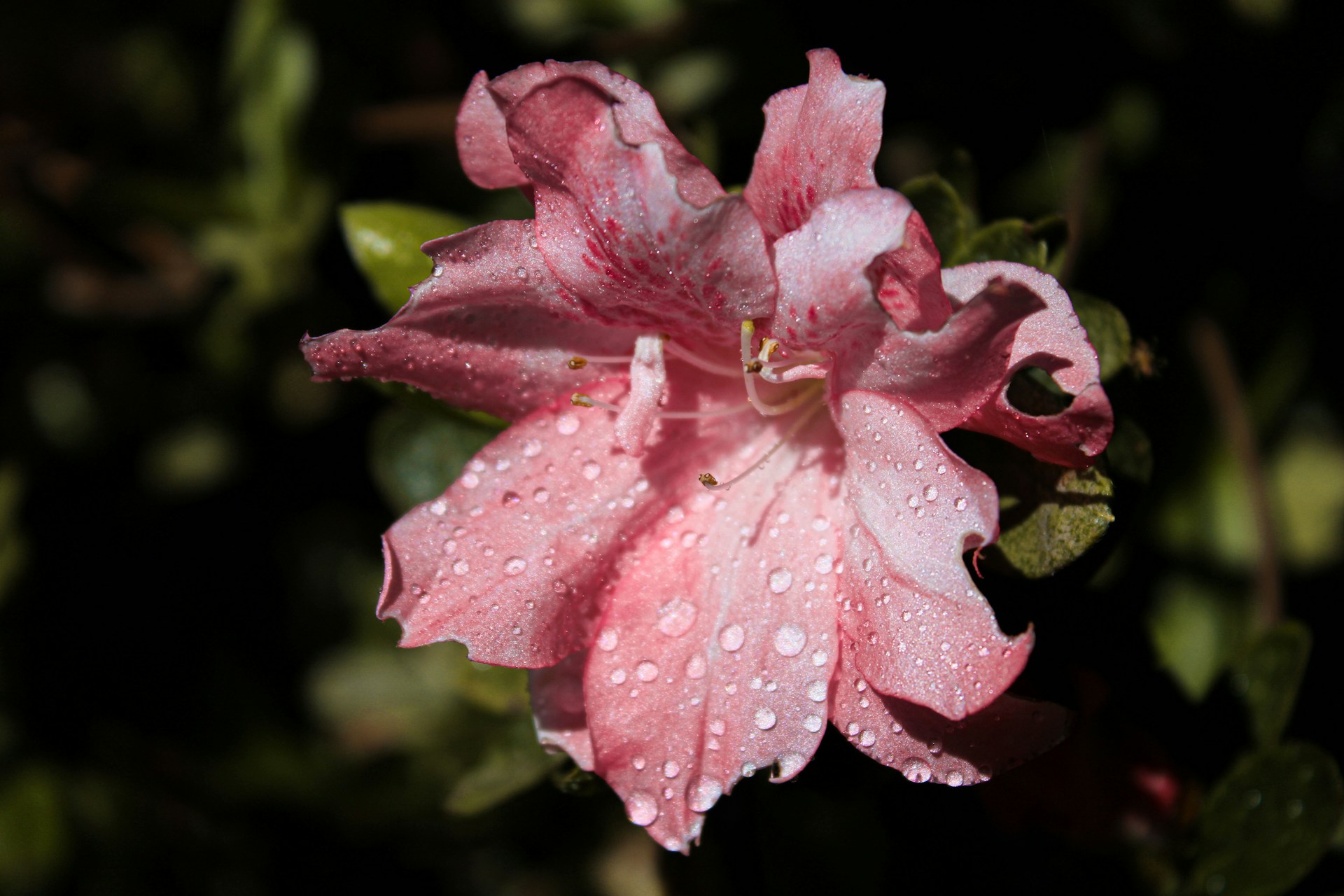
    For a few weeks each spring, Middle Georgia puts on one of the great flower shows of the American South. Azaleas blaze in every shade from white to deep magenta, dogwoods open their pale four-petaled blooms in the understory and wisteria drapes purple over fences and pines. The display follows the cherry blossoms and overlaps with the heaviest pollen, and it rewards anyone willing to slow down and look. Here is a short field guide to the three stars of the season and a few ways to enjoy them mindfully.

    Azaleas

    Azaleas belong to the rhododendron family, and the ones most people picture, the dense evergreen shrubs covered in bloom, are mostly Asian varieties introduced to Southern gardens over the past two centuries. They thrive in the acidic soil and dappled shade under Georgia’s pines and oaks, which is why they are everywhere in older neighborhoods. Peak bloom in Macon usually falls in late March and April, depending on the year.

    Georgia also has native azaleas, deciduous shrubs with looser, more fragrant flowers in white, pink, orange and yellow. The native azalea is Georgia’s official state wildflower, and the Piedmont azalea, with its honeysuckle-like scent, can still be found blooming wild along streams and woodland edges in spring.

    Dogwoods

    The flowering dogwood is a small understory tree native to the eastern United States. What look like its four white petals are actually modified leaves called bracts surrounding a cluster of tiny true flowers in the center. Each bract has a small notch at its tip. Dogwoods bloom just as their leaves emerge, often a week or two after the azaleas begin, and they glow in the shade of taller trees. In fall the same trees turn red and produce bright berries for birds. Dogwood festivals are a spring tradition in several Southern cities, and the tree is beloved enough to appear in countless front yards across Georgia.

    Wisteria

    Wisteria is the most dramatic and most complicated of the three. The cascading purple blooms that drape over abandoned barns, fence lines and tall pines in April are usually Chinese or Japanese wisteria, vigorous vines introduced as ornamentals that have escaped into the wild across the Southeast. They are beautiful and heavily scented, and they are also considered invasive, capable of strangling trees and spreading through woodlands. Admire them freely, but think twice before planting one.

    There is a gentler option. American wisteria, a native vine, has shorter, less fragrant flower clusters and a much more restrained habit. Several cultivars are sold at nurseries for gardeners who want the look without the takeover.

    Seeing Them Slowly

    The bloom lasts only a few weeks, which is an argument for paying attention now. A few ways to do that:

    • Take the same walk once a week through April and notice what has opened and what has faded.
    • Stand under a dogwood and look up through the bracts at the sky. The light through them is one of the quiet pleasures of the season.
    • Smell a native azalea or a wisteria cluster from a few inches away, then step back and notice how far the scent carries.
    • Sit on a bench near a mass of azaleas for ten minutes and watch the bees and butterflies work.
    • Sketch or photograph a single bloom rather than the whole hedge.

    A note for allergy season: the showy flowers in this article are mostly insect-pollinated and release little airborne pollen; the yellow dust on your car comes from pines and other wind-pollinated trees blooming at the same time. If you have allergies, talk with your doctor about what affects you. For everyone else, the spring bloom is simply an invitation. It asks nothing but your attention, and it is gone by May.

  • Beyond Sunscreen: Hats, Shade and Timing for Spring Days Outdoors

    Beyond Sunscreen: Hats, Shade and Timing for Spring Days Outdoors

    Sunscreen gets most of the attention in conversations about sun, and it deserves it. But sun care is more than a bottle. Shade, clothing, timing and a good hat have protected people for far longer than any lotion, and they work alongside sunscreen rather than instead of it. As spring pulls everyone outdoors in Georgia, here is a look at the habits beyond the bottle. This is general information; for personal guidance, especially if you have a history of skin concerns or take medications that affect sun sensitivity, talk with your doctor or dermatologist.

    Spring Sun Is Stronger Than It Feels

    Because the air is still mild in April, it is easy to underestimate the sun. The strength of ultraviolet light depends on the sun’s angle, not the temperature, and by late spring the angle is high. A cool, breezy afternoon in the garden can leave the back of your neck pink. Cloud cover reduces UV but does not block it, and light bounces off water, sand and pale pavement.

    Timing

    UV exposure is generally strongest in the middle of the day, roughly from late morning through midafternoon. If you have a choice about when to garden, walk or run, early morning and evening are gentler on skin and more pleasant in the Georgia heat anyway. A simple rule of thumb that many sun safety organizations share: when your shadow is shorter than you are, the sun is strong enough to warrant care.

    Shade

    Shade is the oldest sun protection there is. Trees, porches, umbrellas and awnings all reduce exposure, though none of them block it entirely because light scatters from the surroundings. A few habits:

    • Plan the shadiest route for a walk, which in Macon’s older neighborhoods usually means the streets with big oaks.
    • Set up outdoor seating under a tree or umbrella rather than in open sun.
    • Take breaks in the shade during long stretches of yard work.
    • Carry a compact umbrella on bright days. It is a common sight in many parts of the world and a sensible one.

    Hats and Clothing

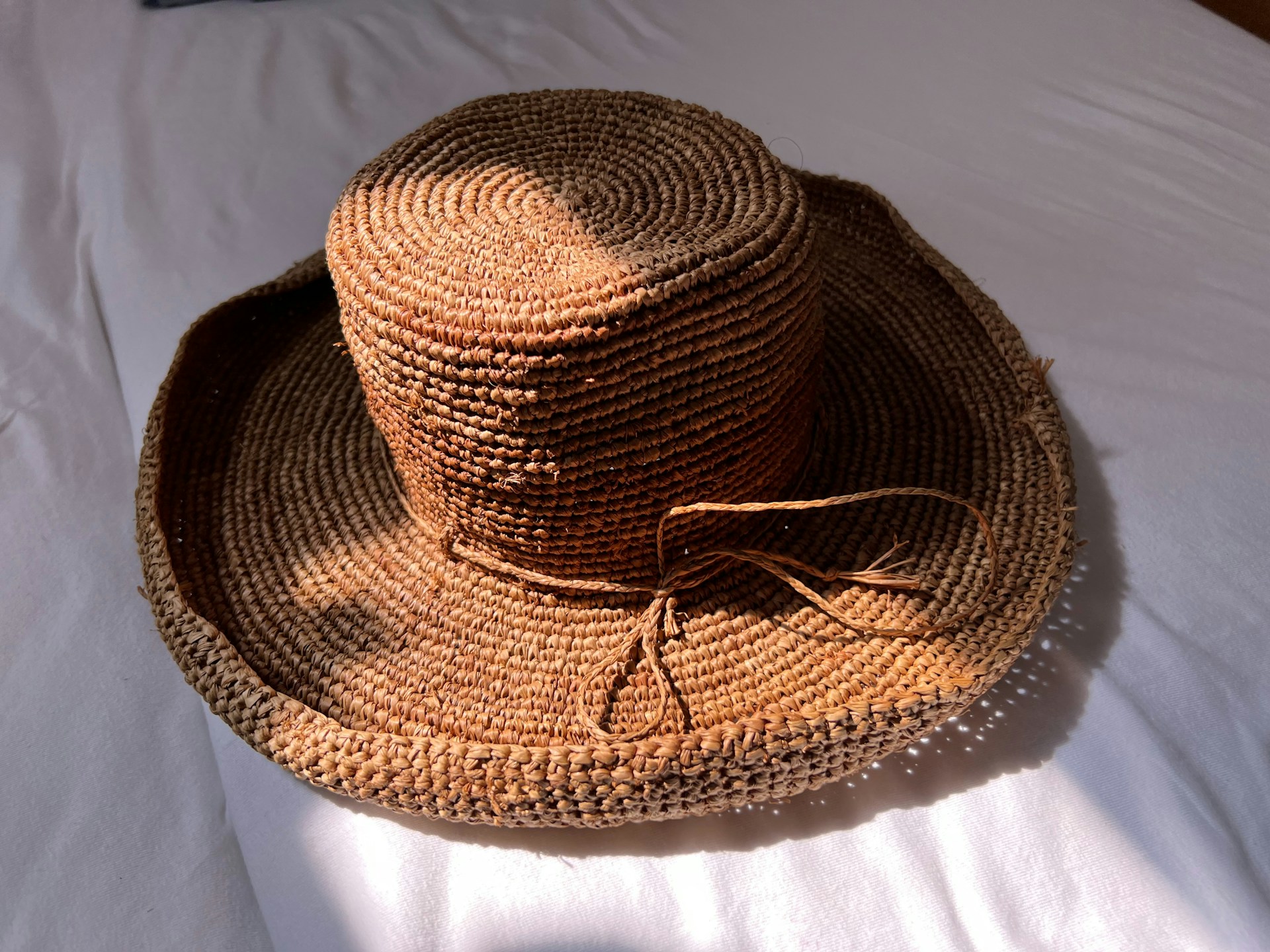
    A wide-brimmed hat protects the face, ears and neck better than a baseball cap, which leaves the ears and the back of the neck exposed. Look for a brim of three inches or more and a tightly woven fabric. For clothing, long sleeves and long pants in lightweight, breathable fabrics are surprisingly comfortable in spring heat and spare you a layer of sunscreen. Darker colors and denser weaves block more light than thin, pale fabrics. Some clothing is labeled with an ultraviolet protection factor, or UPF, which works like SPF for fabric. Sunglasses that block UV protect the eyes and the delicate skin around them.

    None of these replaces sunscreen on exposed skin. The point is that layering habits makes each one easier. A morning walk under oaks in a hat and long sleeves asks very little of your sunscreen. An afternoon in open sun at the lake asks a great deal of it, and that is when generous application and reapplication matter most. Many dermatology organizations suggest combining shade, protective clothing and broad-spectrum sunscreen as the standard approach, and that combination is also simply more comfortable.

    A Few Spring Reminders

    • Check that last year’s sunscreen is not expired.
    • Keep a hat by the door and a spare in the car.
    • Apply sunscreen to the easily forgotten spots: ears, the back of the neck, the tops of feet in sandals, the part in your hair.
    • Drink water. Sun care and hydration go together.

    Spring in Georgia is made for being outside. A hat, a shady route and a little attention to the hour let you enjoy all of it without paying for it later.

  • Facial Oils and Moisturizers: Understanding the Difference and Using Both

    Facial Oils and Moisturizers: Understanding the Difference and Using Both

    Facial oils have moved from niche to mainstream, and with them a common question: if I use an oil, do I still need a moisturizer? The two products feel similar on the skin and are often marketed in overlapping ways, but they do different jobs. Understanding the difference makes it easier to decide whether you want one, the other or both. This is general skincare information; for a skin condition, see a dermatologist.

    What a Moisturizer Does

    A typical moisturizer is a blend of water and oil held together by emulsifiers, plus humectants that attract water, emollients that smooth, and occlusives that slow water loss. Because it contains water and water-attracting ingredients, a moisturizer adds hydration to the outer layer of skin as well as sealing it in. That combination is why a lotion or cream feels both refreshing and softening.

    What a Facial Oil Does

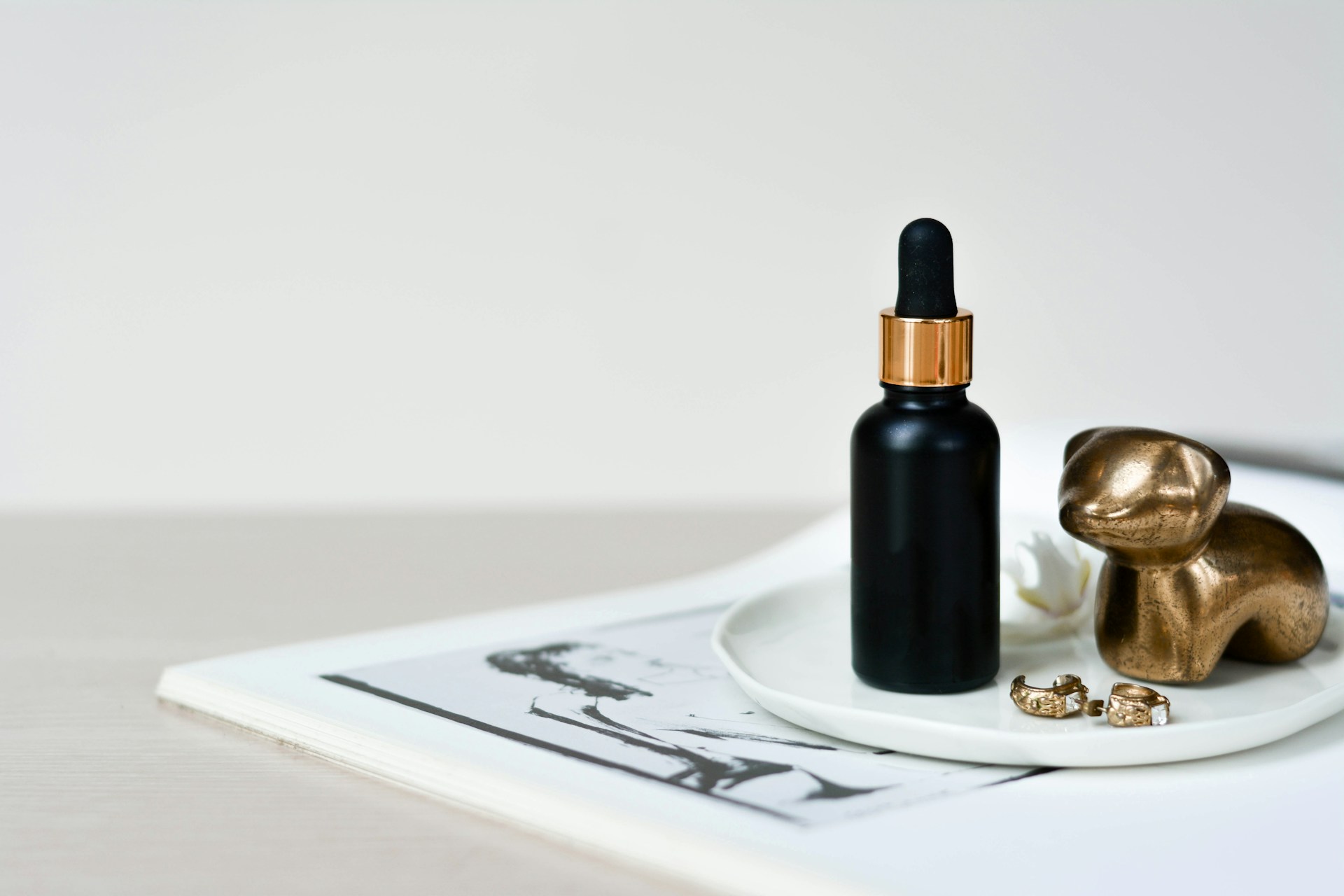
    A facial oil contains no water. It is a blend of plant oils such as jojoba, rosehip, squalane, argan or sunflower, sometimes with a few drops of essential oil for scent. Oils are emollients and light occlusives: they soften the surface and form a thin film that slows evaporation. What they cannot do is add water, because they contain none. An oil applied to dry skin will make it feel smoother but will not hydrate it in the way a humectant-rich moisturizer does.

    This is the key distinction. Moisturizers hydrate and seal. Oils seal and soften. Skin that feels tight and dehydrated usually wants water first.

    Using Both

    Many people enjoy layering, and the order matters. The general rule is thinnest to thickest, and water-based before oil-based:

    • Cleanse and pat skin dry, leaving it slightly damp.
    • Apply any water-based serum or hydrosol mist.
    • Apply moisturizer.
    • Finish with two or three drops of facial oil pressed gently over the top.

    Some people prefer to mix a drop of oil into their moisturizer in the palm and apply them together, which is quicker and works well. In the morning, sunscreen goes on last, after everything else has settled for a minute or two.

    Dry skin often appreciates both: a hydrating moisturizer followed by an oil, especially in winter. Oily skin may prefer a light gel moisturizer alone, though some people with oily skin enjoy a small amount of a lighter oil such as jojoba or squalane. Combination skin might use oil only on the cheeks. As Georgia’s humidity rises in spring, many people find they want less oil than they did in January, and a light moisturizer alone may feel like enough.

    Choosing a Facial Oil

    Plant oils vary in texture:

    • Lighter oils that absorb quickly include jojoba, squalane, grapeseed and rosehip.
    • Medium oils include argan, sweet almond and apricot kernel.
    • Richer oils include avocado, olive and marula.

    Fragrance-free oils are the gentlest choice. If an oil includes essential oils, it should list them, and people with sensitive skin may want to avoid them. Buy small bottles, store them away from heat and light, and discard any oil that smells rancid, like old crayons or stale nuts. Patch test a new oil on your inner arm before using it on your face.

    The Pleasure of the Ritual

    Beyond the practical details, facial oil is simply pleasant to use. Warming a few drops between your palms, breathing in the scent and pressing it slowly over your face is a thirty-second ritual that invites you to slow down at the end of the day. Pair it with a few minutes of gentle facial massage and it becomes a small nightly ceremony. Whether you use an oil, a moisturizer or both, the right choice is the one that leaves your skin comfortable and your evening a little calmer.