Healing Starts Within

💌 Discover our wellness rituals designed to reduce stress and revitalize.

Book Now · Call (478) 303-6936

Reserve your personalized wellness session today and take the first step toward deep healing.

Welcome to Lotus Natural Wellness

With Sonya Gordon

  • Writing Affirmations That Feel True

    Writing Affirmations That Feel True

    Affirmations have a mixed reputation. For some people they are a daily anchor; for others they bring to mind cheerful slogans that ring hollow. The difference usually lies in how they are written. A good affirmation is not a wish or a boast. It is a short, true statement about how you intend to meet your life, phrased in a way your own mind can accept. Spring, with its mood of fresh starts, is a natural time to write a few. This is general information about a reflective practice, not psychological advice; if you are struggling with your mood, please talk with a counselor or your doctor.

    Why Some Affirmations Fall Flat

    Statements that are wildly out of step with how you feel tend to trigger an inner argument. If you are anxious about money and repeat that you are wealthy and abundant, a quieter voice replies that you are not, and the exercise leaves you feeling worse. The problem is not affirmations themselves but the gap between the words and your honest experience. Affirmations that feel true close that gap.

    Five Qualities of an Affirmation That Works

    • Believable. It describes something you can genuinely stand behind today, even if only a little. I am learning to rest is more believable than I am completely at peace.
    • Present tense. It speaks to now rather than a distant someday. I am taking one step at a time.
    • Positive in direction. It names what you are moving toward rather than what you are avoiding. I speak to myself with patience, rather than I will stop criticizing myself.
    • Specific to you. It uses your own words and your own concerns, not a phrase borrowed from a poster.
    • Short. One sentence you can remember without looking.

    A Simple Way to Write Yours

    Take a notebook and ten quiet minutes. Start by writing down two or three areas where you would like to feel steadier this season: perhaps work, rest, a relationship, your body. For each, write one honest sentence about where you are now. Then write a sentence about the direction you want to move, keeping it modest and true. Finally, shape that second sentence into something short and present tense.

    For example, where you are now might be I rush through every morning and arrive frazzled. The direction might be I would like mornings to feel calmer. The affirmation becomes I begin my day slowly and with care.

    Test each one by saying it aloud. If a part of you objects, soften the statement until it does not. I am becoming someone who begins the day slowly is a perfectly good affirmation if the stronger version feels like a stretch.

    Using Them

    Choose two or three at most. Write them on a card by the bathroom mirror, in the front of your journal or as a quiet reminder on your phone. Say them in the morning, slowly, with a breath between each. Some people return to one in a difficult moment, as a way to remember what they intended.

    Revisit them every month or so. An affirmation that has become true can be retired with gratitude and replaced. One that still feels like a stretch can stay. Over a season, the collection becomes a small record of what you were working toward and how far you have come.

    A Few Gentle Cautions

    Affirmations are a reflective practice, not a treatment, and they are not a substitute for support when you need it. They work best alongside the ordinary basics of care: sleep, movement, time outside, connection with people who matter to you. You do not have to believe in anything beyond the plain value of choosing your own words carefully and saying them to yourself with kindness.

  • Gardening as Mindfulness: Tending a Few Pots With Full Attention

    Gardening as Mindfulness: Tending a Few Pots With Full Attention

    You do not need a large garden, or any garden, to garden mindfully. A few pots on a step, a window box or a single tomato plant in a bucket is enough. What matters is the quality of attention you bring. Gardening, done slowly, is one of the most natural mindfulness practices there is: it asks you to notice, to touch, to wait and to accept what you cannot control. In April, when everything is growing fast, it is also one of the most rewarding.

    Why Gardening Suits a Quiet Mind

    Most of what we do in a day happens on our schedule. Plants do not. They grow at their own pace, respond to weather you did not choose and sometimes fail for no reason you can find. Tending them puts you in a relationship where attention matters more than effort. The gardener who checks the soil, watches the leaves and waters when needed does better than the one who follows a rigid plan. That shift, from controlling to noticing, is the heart of mindfulness.

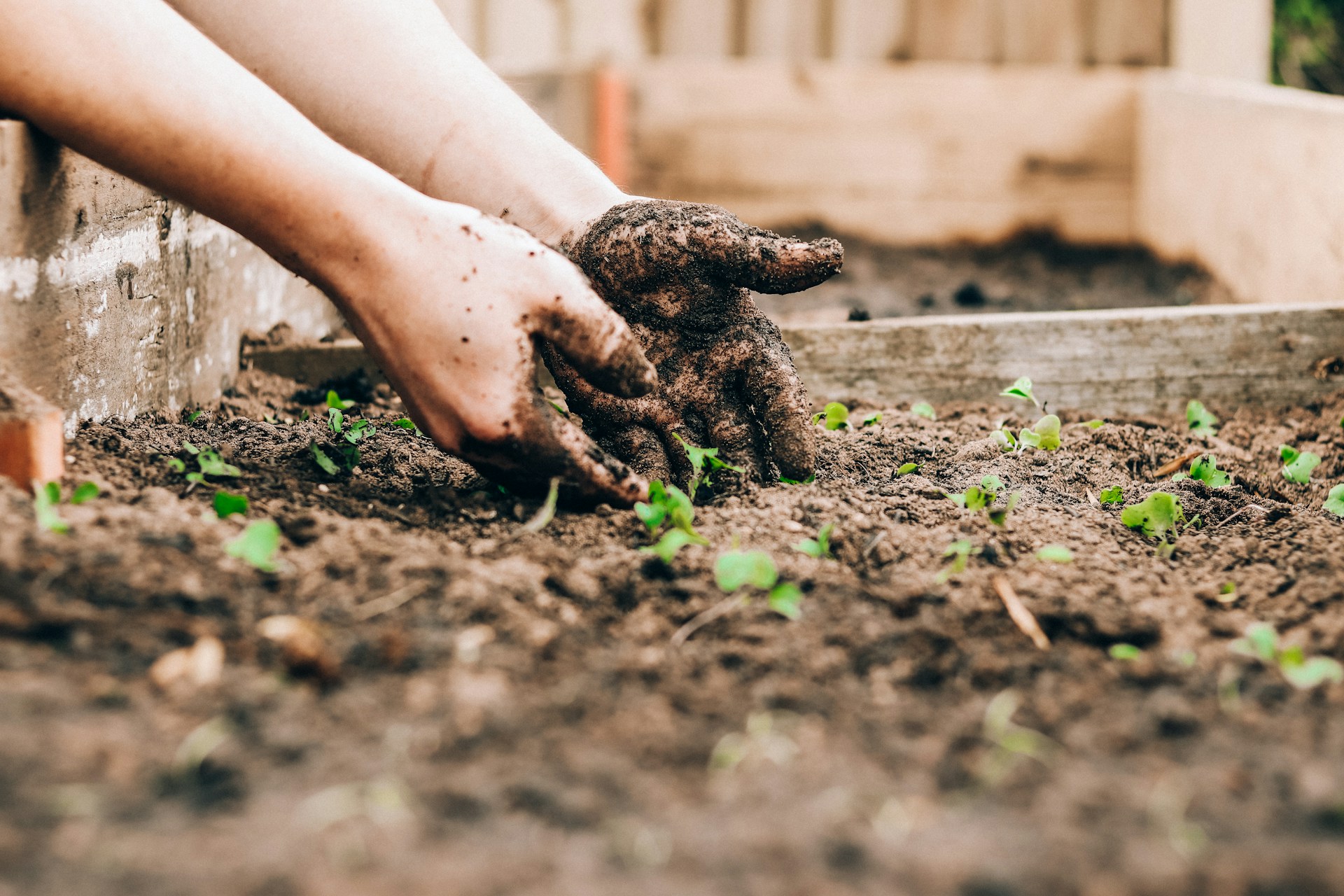
    There is also the simple fact of using your hands. Soil, water, stems and leaves give the senses something real to rest on, and the body something gentle to do.

    A Daily Practice in Ten Minutes

    Pick a time, ideally the same one each day. Early morning works well in spring, before the heat and before the day’s demands. Then:

    • Stand or crouch beside your plants and take three slow breaths before touching anything.
    • Look. Spend a full minute simply seeing what is there: new growth, a yellowing leaf, a bud, an insect.
    • Touch the soil with a finger to check for moisture. Notice the temperature and texture.
    • Do what is needed and nothing more. Water if dry. Pinch a dead leaf. Turn a pot toward the light.
    • Finish by noticing one thing that has changed since yesterday.

    That is the whole practice. On some days there will be nothing to do, and the practice is simply to look.

    Working With What Arises

    Gardening offers plenty of small frustrations: a seedling eaten overnight, a plant that wilts despite your care, a week of rain that drowns the basil. Each is a chance to notice your reaction without rushing to fix it. Disappointment, impatience and the urge to blame yourself all show up in a garden, in manageable doses. Watching them come and go while you replant is good practice for the larger versions that life delivers.

    The same goes for the pleasant surprises. The first flower, the smell of tomato leaves on your fingers, a bee arriving at the chives. Pause and let yourself enjoy them fully rather than moving on to the next task.

    Slowing Down the Bigger Jobs

    Planting day, repotting and weeding can be done mindfully too. Turn off the podcast for the first twenty minutes. Work at a pace slightly slower than feels natural. Notice the weight of the soil, the sound of water and the feel of roots. Take breaks to stand up, stretch and look at the whole space rather than the one square foot in front of you. Many people find that a slower hour of gardening leaves them more refreshed than a rushed two.

    A Few Practical Notes

    Wear gloves if you prefer, but try at least a few minutes barehanded to feel the soil. Protect yourself from the sun with a hat and sunscreen, and wash your hands well afterward. Keep a small notebook in the garden basket to jot down what you notice; over a season it becomes a record of attention as much as of plants. We make no health claims about gardening. It is simply a good way to spend a spring morning, and a quiet teacher if you let it be one.

  • Humidity Returns: Keeping Skin Comfortable as Georgia Warms Up

    Humidity Returns: Keeping Skin Comfortable as Georgia Warms Up

    By mid-April, the air in Middle Georgia has changed. Mornings are soft, afternoons are warm and the humidity that defines a Southern summer begins to creep back. Skin notices before the calendar does. Products that felt perfect in February suddenly feel heavy, foreheads shine by lunchtime and sweat becomes part of the day. A few adjustments keep skin comfortable as the season turns. This is general skincare information; for a skin condition or persistent concern, see a dermatologist.

    What Humidity Does to Skin

    Humid air holds more water, and skin loses less moisture to it. For many people that is good news: the tightness and flaking of winter ease without any help. At the same time, warmth tends to increase oil production, and sweat mixes with oil, sunscreen and pollen on the surface. The result is skin that may feel both more comfortable and more congested than it did in the cold months.

    Lighten the Layers

    The simplest spring adjustment is to use less. Try these one at a time and give each a week:

    • Switch a rich cream for a lotion or gel-cream, or save the cream for night only.
    • Use a smaller amount of whatever you apply. A pea-sized dab of moisturizer often covers the face in humid weather.
    • Trade a cream cleanser for a gel if your skin feels oily by midday.
    • Set aside heavy facial oils until fall, or use a single drop only where skin still feels dry.

    Lighter does not mean skipping. Even oily skin generally feels better with a light moisturizer than with none, and sunscreen remains essential every day.

    Sunscreen in Warm Weather

    Thick, greasy sunscreens are the main reason people stop wearing them when it gets hot. Look for a lightweight, broad-spectrum formula labeled for the face, apply it generously in the morning and reapply if you are outdoors for long stretches or sweating heavily. A mineral powder sunscreen or a spray can make midday reapplication easier over makeup.

    Managing Sweat and Shine

    Sweat itself is not bad for skin, but letting it sit mixed with sunscreen and grime can feel uncomfortable. After a workout or a hot afternoon of yard work, rinse your face with lukewarm water and a gentle cleanser as soon as is practical, then apply a light moisturizer. For shine during the day, blotting papers absorb oil without disturbing sunscreen; powder adds coverage but can build up. Avoid the temptation to wash more than twice a day with cleanser, which tends to leave skin tight and can make it feel oilier in response.

    Body Skin Needs Attention Too

    Humidity affects more than the face. Areas where skin rubs or stays damp, such as under arms, beneath clothing bands and between toes, benefit from being washed and thoroughly dried each day. Breathable fabrics such as cotton and linen help. A lighter body lotion replaces the heavy winter butter, and a quick rinse in the evening after a sweaty day makes bed feel better. For feet, let sandals and shoes dry out fully between wearings.

    Spring in Georgia is changeable, and a cool snap can send skin back to winter behavior for a week. Rather than following a fixed routine, pay attention each morning. Does your skin feel tight, comfortable or oily? Adjust that day’s products to match. By late May the humidity will be here to stay, and a lighter routine that you settled into gradually in April will already feel like second nature.

  • Sandalwood and Cedarwood: Woody Scents and the Question of Sustainability

    Sandalwood and Cedarwood: Woody Scents and the Question of Sustainability

    Woody scents are the foundation of aromatherapy and perfumery alike. Sandalwood and cedarwood are the two most familiar, and they could hardly be more different in their stories. One is among the most expensive aromatic materials on earth, with a history of overharvesting that has pushed it to the edge. The other grows in abundance across the American South and has scented closets and chests for generations. Both are worth knowing, and the comparison says a lot about how to choose aromatic products thoughtfully.

    Sandalwood: Soft, Sweet and Scarce

    True sandalwood oil comes from the heartwood of Santalum album, a slow-growing tree native to India and nearby regions. The scent is soft, creamy and warm, with a sweetness that lingers for hours. It has been used in Indian religious ceremonies, carved into temple doors and prayer beads, and burned as incense for thousands of years. In perfumery it is a classic base note that smooths and extends other scents.

    The trouble is that the oil comes from the heartwood, which means the tree must be cut down, and the best oil comes from trees several decades old. Demand far outstripped supply through the twentieth century, and wild Indian sandalwood is now listed as vulnerable, with harvest and export tightly controlled. Prices climbed, and much of what is sold cheaply as sandalwood is either heavily diluted, blended with other woods or entirely synthetic.

    There are more sustainable alternatives. Australian sandalwood, Santalum spicatum, is a related species that is harvested under management programs and has a drier, slightly sharper scent. Plantation-grown Indian sandalwood from northern Australia has also entered the market. If you want the real thing, look for the species name on the label, expect a high price and buy from a supplier that explains its sourcing.

    Cedarwood: Dry, Clean and Local

    Cedarwood is a looser category. The oil sold as Virginia cedarwood actually comes from the eastern red cedar, Juniperus virginiana, which is a juniper rather than a true cedar and grows wild across Georgia and much of the eastern United States. Its scent is dry, pencil-shaving clean and faintly sweet. Texas cedarwood comes from a related juniper. Atlas cedarwood, from a true cedar native to the mountains of Morocco, is softer and more balsamic.

    Cedar has long been valued for lining chests and closets, where its scent is traditionally thought to deter moths, and for its resistance to rot, which is why so many old fence posts in the South are cedar. The oil is abundant, inexpensive and generally considered one of the more sustainable aromatic materials, often produced from wood that is a byproduct of lumber and land clearing.

    Using Them Well

    Both oils are enjoyed as fragrance, and we make no claims beyond that. A few habits:

    • Woods are base notes. Use them in small amounts to anchor brighter oils such as bergamot, lavender or rosemary.
    • Dilute before skin contact and patch test. Cedarwood in particular can irritate some skin.
    • Keep both away from children and pets, and never swallow them.
    • Talk with your doctor before using any essential oil during pregnancy.

    Choosing Thoughtfully

    The contrast between these two woods offers a simple lesson. Scarcity drives up price and invites adulteration, so a very cheap sandalwood is almost never what it claims to be. Abundance makes cedarwood an honest, affordable choice with a smaller footprint. Many people who love woody scents build their everyday blends on cedar and save a small, well-sourced bottle of sandalwood for special evenings. Smelling a cedar chest in a Georgia attic or a sandalwood bead warmed in the hand are both small pleasures, and knowing where each comes from makes them a little richer.

  • Tea Tree Oil: History, Everyday Uses and Safe Handling

    Tea Tree Oil: History, Everyday Uses and Safe Handling

    Tea tree oil has a sharp, medicinal, camphor-like scent that most people recognize immediately, and a reputation that has traveled far beyond its native Australia. It appears in shampoos, soaps, foot products and household cleaners, and it is one of the most commonly sold essential oils. Because it is so widely used, it is also one of the most frequently misused. This article covers its history and the sensible handling that keeps it a pleasant part of a routine. We make no claims about what tea tree does; for any skin or health concern, talk with your doctor.

    Where the Name Comes From

    The oil is distilled from the leaves of Melaleuca alternifolia, a small tree native to the swampy coastal regions of New South Wales and Queensland in eastern Australia. It is not related to the tea plant. The name is usually traced to the late eighteenth century, when the crew of Captain James Cook’s expedition brewed the aromatic leaves of melaleuca and related trees as a substitute for tea. Aboriginal Australians, in particular the Bundjalung people of the region where the tree grows, had long-standing traditional uses for the leaves.

    Commercial distillation of the oil began in Australia in the 1920s, and the industry grew through the twentieth century. Today most tea tree oil still comes from plantations in New South Wales.

    Why It Is So Popular

    Tea tree has a clean, assertive scent that many people associate with freshness, which is why it appears in so many products for the bathroom and laundry. People use it in homemade cleaning sprays, in diffusers for a sharp, clearing aroma and in foot soaks, mostly for the smell.

    Safe Handling

    Because tea tree is sold so widely and often marketed as mild, people sometimes treat it carelessly. A few points matter:

    • Never swallow it. Tea tree oil is toxic if ingested, and even small amounts can cause serious harm. Keep bottles tightly capped and well away from children.
    • Keep it away from pets. Cats and dogs are especially sensitive to tea tree oil, whether applied to their fur, diffused heavily in a small room or licked from a surface. Ask your veterinarian before using any essential oil in a home with animals.
    • Dilute before skin contact. Undiluted tea tree is a known cause of allergic contact dermatitis, and the risk rises as the oil ages and oxidizes. Mix a small amount into a carrier oil and patch test on your inner arm first.
    • Store it well. Keep it in a dark glass bottle, tightly closed, away from heat and light, and replace it if it has been open for more than a year or smells harsher than it used to.
    • Avoid the eyes and other sensitive areas entirely.
    • Talk with your doctor before using it if you are pregnant, nursing or caring for a young child.

    Sensible Everyday Uses

    With those cautions in mind, tea tree can be a pleasant part of a household routine. A few drops in a bucket of water for mopping leaves a fresh scent. Two or three drops in a diffuser with lemon makes a bright, clean-smelling blend for a morning of housework. A drop in a bowl of warm water for a foot soak adds a spa-like aroma. Many commercial shampoos and soaps include it at low, properly formulated levels, which is the simplest way to enjoy the scent on skin or hair.

    A Note on Marketing

    You will see tea tree sold with many promises attached. Be skeptical. An essential oil is a fragrant plant extract, not a medicine, and the strength that makes its scent so recognizable is the same reason it deserves careful handling. Enjoy it for what it is, treat it with respect and keep it on a high shelf.

  • Neroli and Orange Blossom: A Fragrance With a Princely Past

    Neroli and Orange Blossom: A Fragrance With a Princely Past

    Neroli is the essential oil distilled from the blossoms of the bitter orange tree, and it carries one of the most elegant stories in the history of fragrance. The scent is fresh, floral and slightly green, with a honeyed sweetness underneath that is nothing like the fruit. For centuries it has been associated with weddings, with princesses and with the sunlit groves of the Mediterranean, and it remains one of the most prized ingredients in perfumery.

    The Princess of Nerola

    The name is usually traced to Anne Marie Orsini, a French-born noblewoman who became Princess of Nerola, a small town near Rome, in the late seventeenth century. She is said to have loved the scent of bitter orange blossoms so much that she used it to perfume her gloves, her bathwater and her stationery, setting a fashion that spread through the courts of Europe. Whether or not every detail of the story is true, the name stuck, and the oil has been called neroli ever since.

    One Tree, Several Scents

    The bitter orange tree, Citrus aurantium, is unusually generous. It gives perfumers three distinct materials:

    • Neroli, steam distilled from the fresh blossoms. Light, floral, slightly bitter.
    • Orange blossom absolute, extracted from the same flowers with solvents rather than steam. Richer, sweeter and more intensely floral.
    • Petitgrain, distilled from the leaves and twigs. Green, woody and fresh, like the orchard itself.

    The peel of the fruit yields bitter orange oil as well. Few plants offer so many different scents from a single source.

    Neroli is costly because the blossoms are picked by hand over a short season, usually in spring, and a great many flowers are needed to produce a small amount of oil. Much of the world’s supply comes from Tunisia, Morocco and southern Europe.

    Orange Blossoms and Weddings

    Orange blossoms have symbolized marriage and good fortune for a very long time, partly because the tree bears flowers and fruit at the same time. Brides in the Mediterranean carried them for centuries. The custom reached its peak in the nineteenth century, when Queen Victoria wore orange blossoms at her wedding, and the fashion spread across Britain and America. Wax orange blossoms became a standard bridal ornament for decades afterward.

    The flowers also have a culinary life. Orange blossom water, the hydrosol left over from distillation, flavors pastries, syrups and coffee across the Middle East and North Africa and is a traditional ingredient in some Mediterranean sweets.

    Neroli in Aromatherapy

    Neroli is a favorite in blends meant for evening and for rest, where its soft floral scent pairs beautifully with lavender, sandalwood, bergamot and rose. It is also popular in facial oils and skincare, more for its lovely fragrance than for anything else. We make no claims about what it does. A few practical notes:

    • True neroli is expensive. Very cheap bottles are almost certainly diluted or synthetic.
    • A single drop is often enough in a diffuser blend.
    • Dilute well before any skin contact and patch test first.
    • Unlike cold-pressed citrus peel oils, neroli is not generally considered photosensitizing, but check your source and when in doubt, ask.
    • Keep it away from children and pets, and talk with your doctor before using any essential oil during pregnancy.

    Bringing the Scent Home

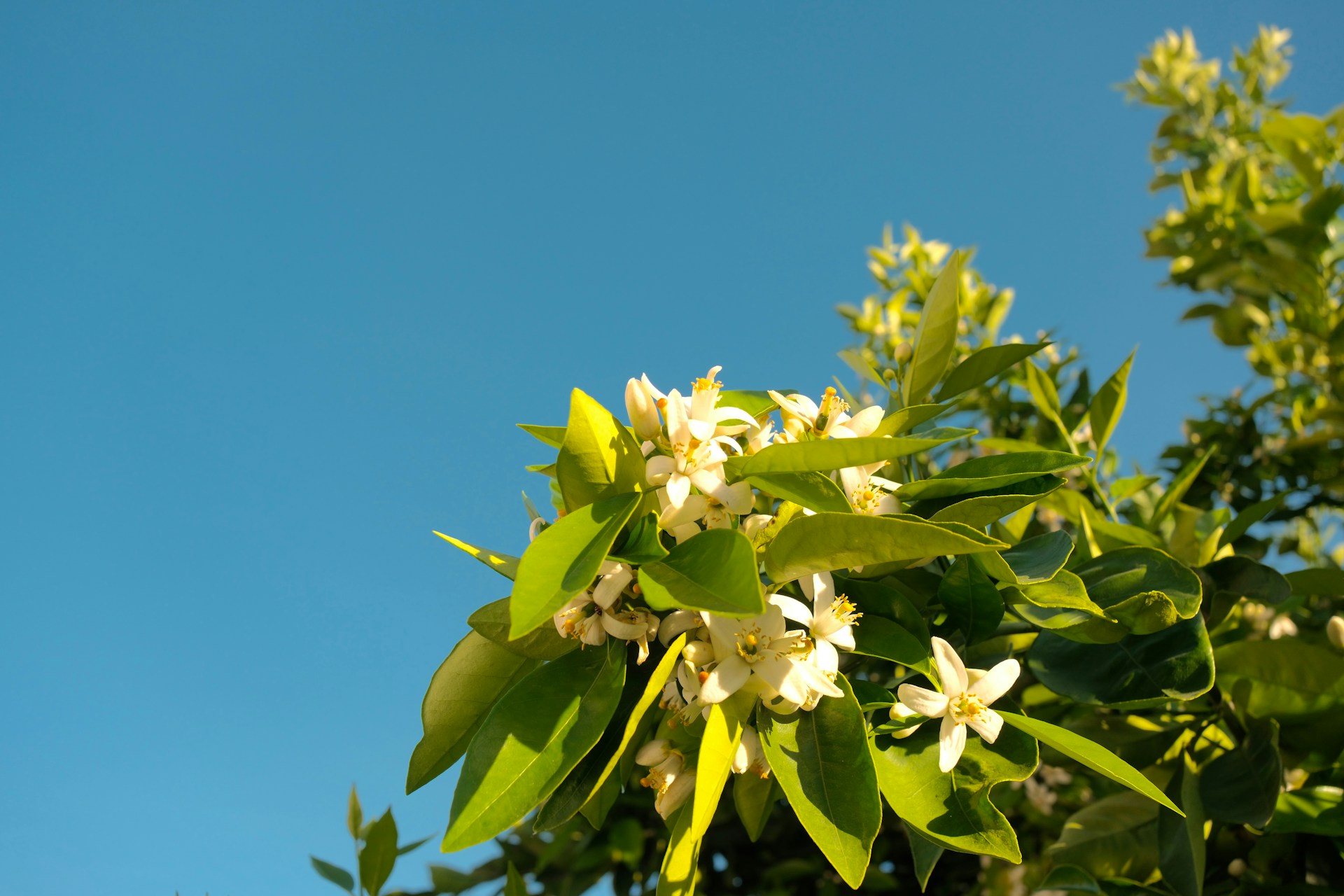
    Bitter orange trees are not common in Georgia yards, but a small potted citrus on a sunny porch will bloom in spring and fill the evening air with a hint of the same fragrance. Orange blossom water in a glass of lemonade, a drop of neroli in an evening diffuser or a hydrosol mist on a warm afternoon brings a little of that Mediterranean grove into a Middle Georgia spring. It is a scent of beginnings, which suits the season perfectly.

  • Hosting a Calm Spring Gathering: Hospitality Without the Stress

    Hosting a Calm Spring Gathering: Hospitality Without the Stress

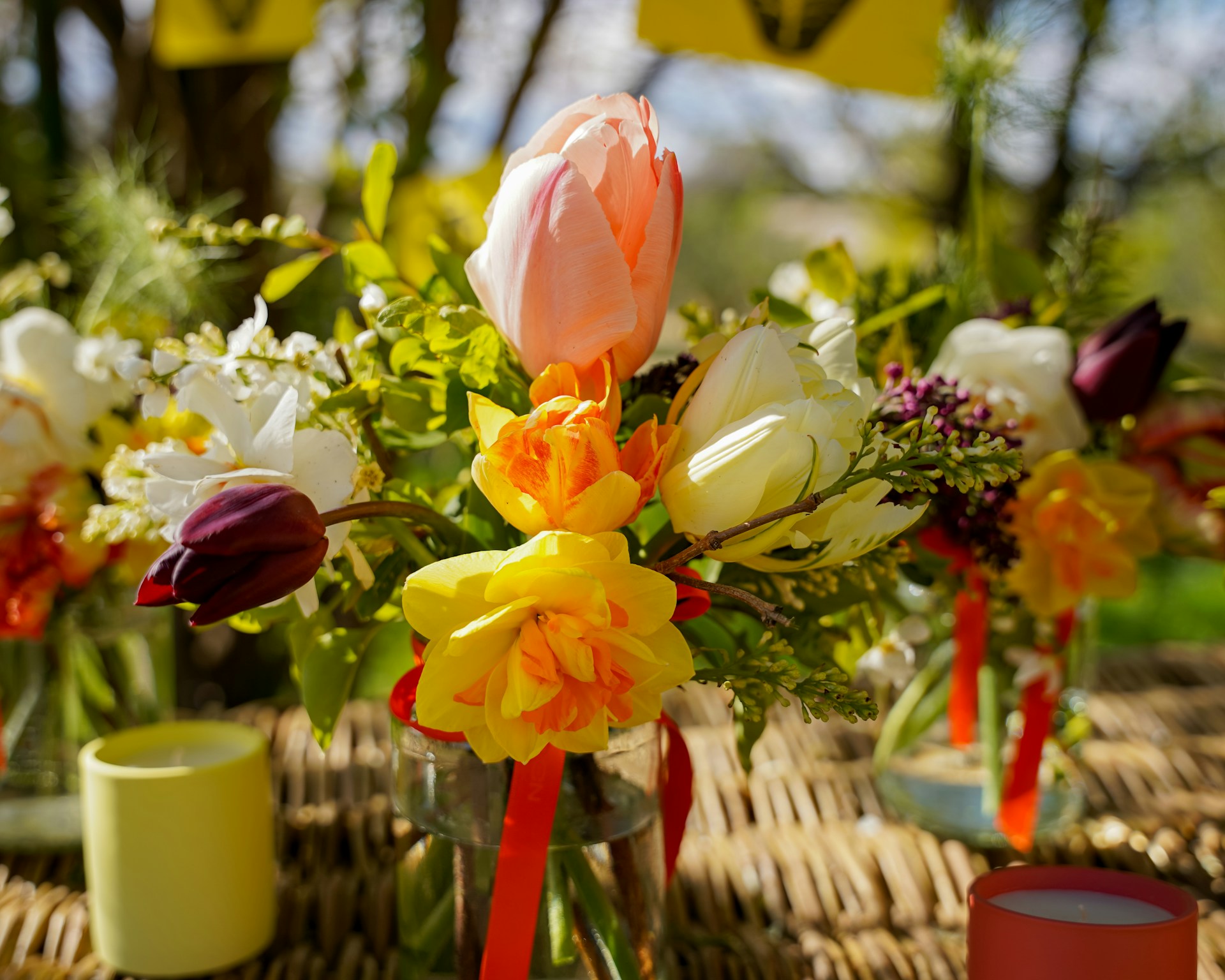
    Spring is a season for gathering. Easter and Passover bring families to the table, graduations and showers fill the calendar, and warm evenings invite friends over simply because the porch is finally usable. Hosting should be a pleasure, and often it is not. The planning, the cleaning and the worry about whether everything is good enough can leave a host too frazzled to enjoy the people they invited. Here is a gentler way to think about it.

    Decide What the Gathering Is For

    Before the menu, ask the simplest question: what do you want people to feel when they leave? Usually the answer is welcomed, relaxed and glad they came. Nobody remembers whether the napkins matched. They remember whether the host seemed happy to see them. Every decision afterward can be checked against that answer. If an element adds stress without adding warmth, drop it.

    Keep the Food Simple

    A calm host cooks food that can be made ahead and served at room temperature. In spring that is easy: a big salad with whatever is fresh, a platter of roasted vegetables, a simple quiche or frittata, good bread, a bowl of strawberries, a cheese board. Choose dishes you have made before. Ask guests to bring one thing each if they offer, and let them. Set drinks out in a tub of ice where people can help themselves, so you are not pouring all evening.

    Plan for one less dish than you think you need. There is always too much food.

    Prepare the Space, Not Perfection

    Clean the rooms guests will actually see: the entry, the bathroom, the kitchen and wherever people will sit. Close the doors on the rest. During pollen season, wipe down the porch furniture and shake out the cushions an hour before people arrive. Then set the mood with the few things that matter:

    • Soft lighting, especially as evening comes. Lamps and string lights rather than overhead glare.
    • Music at a volume that lets people talk.
    • A pleasant scent, lightly: a vase of fresh herbs or flowers, a candle in the bathroom, a few minutes of a diffuser before guests arrive and then off. Many people are sensitive to fragrance, so keep it subtle.
    • Plenty of places to sit, including some outside.

    Give Yourself an Hour

    The most useful planning decision is to finish all preparation one hour before guests are due. Use that hour for yourself. Shower, dress, do your skincare slowly, sit down with a glass of water on the porch and breathe. Arriving at your own party rested changes everything. Guests take their cue from the host, and a calm host makes a calm room.

    During the gathering, let things be imperfect. If the bread is late, people will talk while they wait. If someone spills, hand them a cloth and a smile. Resist the urge to clean as you go; the dishes will still be there tomorrow. Spend your energy on the person in front of you. If you notice yourself tightening up, step into the kitchen for one slow breath and a sip of water, then return.

    The Morning After

    Plan a quiet morning. Leave the heavy cleanup for after coffee, and do it with music on and the windows open. Then sit for a few minutes and think about one good conversation from the evening. That is what the gathering was for. A spring party does not need to be a production. It needs a warm host, simple food and a porch. Everything else is optional.

  • April Showers: A Cozy Self-Care Afternoon for a Rainy Spring Day

    April Showers: A Cozy Self-Care Afternoon for a Rainy Spring Day

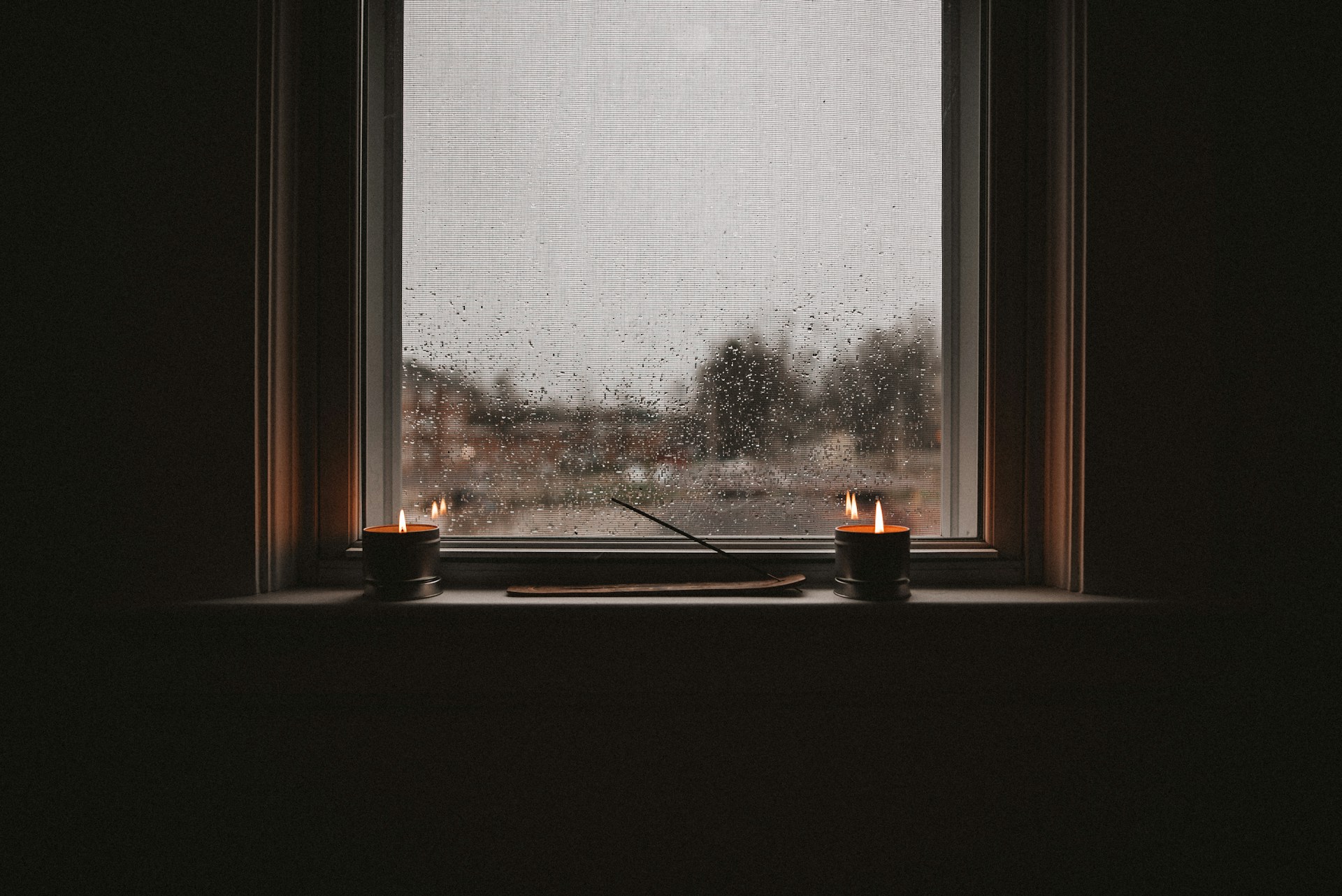
    April brings rain to Middle Georgia, often in the form of a gray, steady day that cancels plans and keeps everyone indoors. It is tempting to treat these days as lost. They are not. A rainy spring afternoon, with the pollen washed out of the air and the garden drinking, is one of the best settings for unhurried self-care. Here is how to make the most of one.

    Let the Rain Set the Pace

    The first step is to stop fighting the weather. Cancel what can be cancelled and move what can be moved. Then open the blinds rather than closing them. Rain on windows, the gray light and the sound on the roof are the atmosphere for the afternoon, not something to shut out. If you have a covered porch, a few minutes sitting there with a blanket, listening, is a lovely way to begin.

    A Loose Plan for the Afternoon

    You do not need a schedule, but a gentle sequence keeps the hours from dissolving into a screen. One version:

    • Start with a warm drink and ten minutes of doing nothing, watching the rain.
    • Move into something with your hands: baking, a puzzle, sketching, tending houseplants.
    • Take a bath or a long shower in the middle of the afternoon, which feels indulgent precisely because it is the middle of the afternoon.
    • Follow with your full skincare routine, unhurried: cleanse, a mask if you like, a facial massage, moisturizer.
    • Read, nap or listen to music until dinner.

    Any one of these alone is enough. The point is to choose rather than drift.

    Scents for a Rainy Day

    Rain has its own smell, the earthy scent called petrichor that rises when rain hits dry ground. Indoors, people often reach for warm, cozy scents on gray days: vanilla, sandalwood, cedar, a little orange. Others prefer something green and fresh to echo the garden. A diffuser running for half an hour, a candle or a pot of simmering water with citrus peel and a cinnamon stick all work. Keep a window cracked a little for ventilation, and enjoy the way the damp air seems to hold scent longer.

    Something Warm From the Kitchen

    Rainy days and ovens belong together. Bread, muffins, a pot of soup or a tray of roasted vegetables fills the house with warmth and smell and gives the afternoon a center. Cooking slowly, without rushing toward a result, is a mindfulness practice in disguise. If baking is not your thing, a pot of tea made properly, in a teapot, with a few minutes spent watching it steep, offers the same small ceremony.

    Rest Without Guilt

    A rainy day gives permission that a sunny one does not. There is no garden to tend, no walk you should be taking. If you want to nap, nap. If you want to lie on the sofa and watch the ceiling, that is allowed. Many people find that a day of genuine rest in the middle of a busy spring does more for their mood than a week of trying to squeeze relaxation into the gaps. We make no claims about health, only the observation that rest is good, and rain makes it easier.

    Spring showers in Georgia often end abruptly, with sun breaking through in late afternoon. Step outside when it does. The air is washed clean of pollen, the greens are brighter, everything drips and shines, and the birds come back all at once. A short walk around the block after rain is one of the finest free pleasures of April. Then come back in, having spent a gray day exactly as it asked to be spent.

  • Why Everything Turns Yellow: The Story of Georgia’s Spring Pollen

    Why Everything Turns Yellow: The Story of Georgia’s Spring Pollen

    Every spring, for a few weeks, Middle Georgia is dusted in yellow. It coats cars, collects in puddles, streaks the porch and drifts in clouds from the tops of pines on windy mornings. Newcomers are startled. Longtime residents simply wash the car and wait for rain. Here is the story behind the yellow season, where it comes from and why it is both less and more than it appears. This is general information; if you have allergies or breathing concerns, talk with your doctor.

    What Pollen Is

    Pollen is the fine powder that plants produce to reproduce. Each grain carries the male genetic material of a plant and needs to reach the female part of another flower of the same species. Plants with showy flowers rely on insects and birds to carry it. Plants without them, including most trees and grasses, rely on wind, which is a wasteful courier. To make up for the loss, wind-pollinated plants produce pollen in enormous quantities, and that is what settles on your windshield.

    Why Georgia Turns Yellow

    The yellow coating is mostly pine pollen. Georgia is one of the most heavily forested states in the country, and pines dominate much of that forest, especially loblolly pines across the middle of the state. Each tree releases vast quantities of pollen from clusters of small cones over a few weeks in spring, typically from mid-March into April depending on the weather. Pine pollen grains are relatively large and are equipped with two small air sacs that help them float, which is why they are so visible and travel so far.

    A warm, dry, breezy day is peak conditions. After a soaking rain, the air clears and the yellow washes into the gutters, only to return as soon as the sun dries the trees again.

    The Pollen You Cannot See

    Here is the part that surprises many people. Pine pollen, for all its visibility, is only one part of the spring pollen picture. Oaks, which are everywhere in Macon’s older neighborhoods, release pollen at roughly the same time, along with pecans, hickories, birches and others. Their grains are smaller and much less visible. Many sources note that the pollens most often associated with seasonal symptoms are these smaller, less conspicuous ones rather than the dramatic pine dust. If you have questions about what affects you personally, your doctor or an allergist can help; we make no health claims here.

    Reading the Pollen Count

    Local weather reports and several websites publish daily pollen counts, usually a number representing grains per cubic meter of air sampled over the previous day. Counts are often broken down by type: trees, grasses and weeds. In Georgia, tree pollen dominates in spring, grass pollen rises in late spring and summer, and weed pollen, including ragweed, peaks in late summer and fall. Checking the count is a simple way to plan outdoor time around the heaviest hours.

    Living Alongside It

    A few habits make the yellow weeks easier for everyone, whether or not pollen bothers you:

    • Rinse the car and the porch regularly rather than letting the layer build.
    • Favor outdoor time after rain and in the evening when the air is still.
    • Keep windows closed on dry, windy mornings.
    • Rinse off and change clothes after long stretches outside.

    The yellow dust is a sign of a landscape doing what it has done for millions of years. Georgia’s pines are the backbone of its forests, and their pollen is the price of the shade, the birdsong and the scent of warm needles that make summer here what it is. Understanding the season does not make the car any cleaner, but it does make the spring feel a little less like an intrusion and a little more like a rhythm you belong to.

  • Earth Day at Home: Low-Waste Self-Care Habits That Last All Year

    Earth Day at Home: Low-Waste Self-Care Habits That Last All Year

    Earth Day has been observed on April 22 since 1970, when millions of Americans took part in the first nationwide events focused on the environment. More than half a century later, it is a good annual prompt to look at the small habits of daily life. Self-care routines in particular tend to generate a lot of packaging, single-use items and water. The gentler, lower-waste versions are often simpler and more pleasant, which is a happy coincidence.

    Start With What You Already Have

    The most sustainable product is the one already in your cabinet. Before buying anything new, use up what you have. Many bathroom shelves hold half-finished bottles that were abandoned for the next promising thing. Finishing them clears space, saves money and reduces waste in one stroke. Keep a small basket of partially used products in plain view so they are the ones you reach for.

    Rethink the Disposables

    A few swaps remove a surprising amount of trash from a weekly routine:

    • Reusable cotton or bamboo rounds instead of disposable cotton pads. Toss them in a mesh bag and wash with towels.
    • A soft washcloth instead of single-use cleansing wipes.
    • A safety razor or a razor with replaceable blades instead of fully disposable ones.
    • Bar soap, shampoo bars and solid conditioner, which arrive in paper rather than plastic and travel well.
    • A refillable water bottle kept by your bed and your desk.

    None of these require sacrificing comfort. Many people find a warm washcloth more pleasant than a cold wipe.

    Mind the Water

    Self-care uses a lot of water, and a few habits reduce it without reducing the pleasure. Turn off the tap while brushing teeth or massaging in cleanser. Keep showers a little shorter on ordinary days and save the long soak for when you really want it. Run the bath a few inches lower than usual. If you steam your face, let the cooled water go to the houseplants.

    Shop Slowly

    When you do need something new, buy fewer, better things. Look for products in glass, metal or paper where practical, and for brands that offer refills. Concentrated products stretch further and ship lighter. Choose multipurpose items: a plain plant oil can serve as a makeup remover, a body moisturizer and a carrier for essential oils. Resist the pull of a new product for every concern. Most routines are better with less.

    Low-waste self-care is also an invitation to use what the season offers. A sprig of rosemary from the garden in a bowl of steaming water, a handful of mint in a glass of cold water, a walk among blooming trees instead of a purchased experience. Dried herbs from your own pots make sachets for drawers. Spent coffee grounds go to the compost or the garden rather than the bin.

    Make It Last

    The point of Earth Day is not a single day of effort. Pick one or two changes from this list and give them a month to become habits before adding another. Keep the swaps that feel good and quietly drop the ones that do not. A lower-waste routine that you enjoy will outlast an ambitious one that you resent, and over years, those steady small choices add up to a real difference. It is a kind of care that extends a little beyond yourself, which is fitting for a season when everything outside is coming back to life.