

Healing Starts Within

💌 Discover our wellness rituals designed to reduce stress and revitalize.

Book Now · Call (478) 303-6936

Reserve your personalized wellness session today and take the first step toward deep healing.

Welcome to Lotus Natural Wellness

With Sonya Gordon

  • Pollen Season Self-Care: A Simple After-Outdoors Routine for Yellow Days

    Pollen Season Self-Care: A Simple After-Outdoors Routine for Yellow Days

    Every spring, usually from mid-March into April, Middle Georgia turns yellow. Pine pollen settles on cars, porches, patio furniture and anything else left outside. Whether or not pollen bothers you, the season calls for a few extra habits to keep skin, hair and home feeling fresh. This is general self-care information. If you have allergies, breathing concerns or skin irritation, talk with your doctor about what is right for you.

    Know the Rhythm of the Day

    Pollen is not constant. Many local weather forecasts include a pollen count, and counts tend to run highest on dry, breezy mornings and lowest after a soaking rain. Planning longer outdoor time for the hours after a shower, or for a still evening, can mean coming home with less dust on you. On the heaviest days, a shorter walk may feel better than a long one.

    A Simple Routine When You Come Inside

    Pollen is a fine powder that clings to fabric, hair and skin. The goal of an after-outdoors routine is to leave it at the door rather than carry it to the sofa and the pillow.

    • Take shoes off at the entrance and keep a mat outside for a quick scuff.
    • Change out of the clothes you wore outside, especially after yard work, and put them straight into the hamper.
    • Wash your hands and face with lukewarm water and a gentle cleanser.
    • Rinse or wash your hair in the evening if you spent a long time outdoors, so the pollen does not transfer to your pillowcase.
    • Wipe glasses and sunglasses, which collect a surprising film.

    None of this needs to be elaborate. Two or three minutes at the door and five minutes in the bathroom cover most of it.

    Gentle Care for Skin and Eyes

    Some people find their skin feels dusty or dull during pollen season. A gentle cleanser morning and evening, followed by a light moisturizer, is generally enough. Avoid scrubbing, which can leave skin feeling raw, and stick to lukewarm rather than hot water.

    For eyes, a cool damp washcloth laid over closed lids for a few minutes can simply feel pleasant after a windy day. Saline or any other eye product is a question for your doctor or pharmacist, especially if you wear contact lenses.

    Protecting Your Sleep Space

    The bedroom deserves special attention because you spend so many hours there with your face against fabric.

    • Keep bedroom windows closed on high-pollen days, even when the breeze is tempting.
    • Wash pillowcases more often than usual during the peak weeks.
    • Keep pets who go outdoors off the bed, or wipe them down with a damp cloth when they come in.
    • Shower before bed on days you spent a lot of time outside.

    Remember the Upside

    It is easy to resent the yellow dust, but it comes with the best weeks of the Georgia year: cherry blossoms, azaleas, dogwoods and evenings warm enough to sit outside. The pollen is a sign that the trees are doing what trees do. A simple routine lets you enjoy the season rather than hide from it. And when the first hard rain finally washes the porch clean, it feels like a small celebration.
  • Welcoming the Spring Equinox: A Gentle Seasonal Reset

    Welcoming the Spring Equinox: A Gentle Seasonal Reset

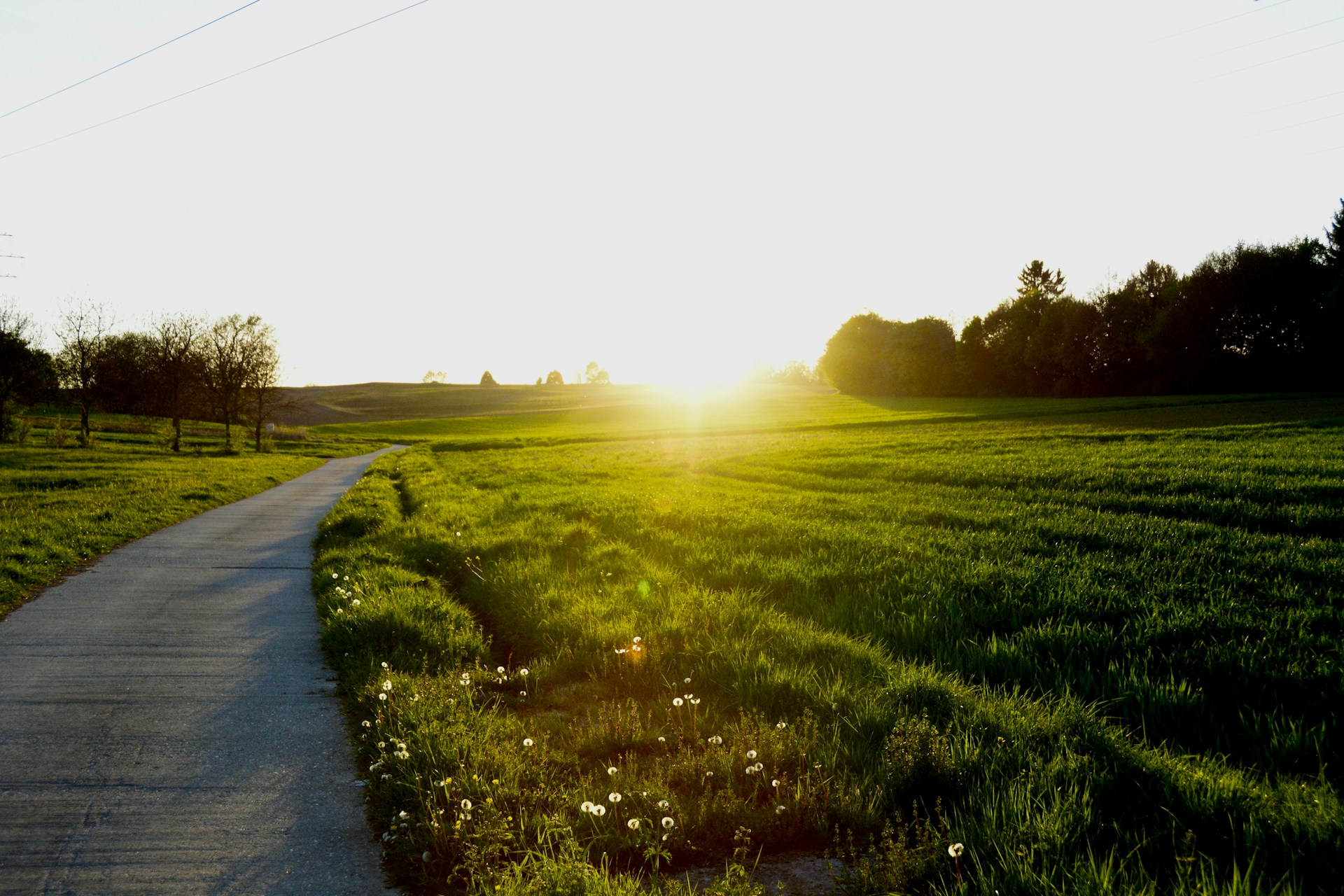
    Around the twentieth of March each year, day and night come close to equal length everywhere on Earth. In the Northern Hemisphere this is the spring equinox, the astronomical start of spring. From here, the days keep stretching until June. For anyone who has felt a little flat through the gray weeks of late winter, the equinox is a natural moment to pause, take stock and begin again.

    What Actually Happens

    The equinox is a moment, not a day. It is the point when the sun sits directly above the equator, so neither hemisphere tilts toward it. The exact date shifts slightly from year to year, usually landing on the nineteenth, twentieth or twenty-first of March. After it passes, our part of the world tilts a little more toward the sun each day, bringing longer evenings and warmer afternoons.

    In Middle Georgia, the change is easy to feel. Redbuds and cherry trees are blooming, the air softens, and the pine pollen is not far behind.

    An Ancient Turning Point

    People have marked this moment for a very long time. Nowruz, the Persian New Year, falls on the spring equinox and is celebrated with house cleaning, fresh clothes and gatherings around a table set with symbolic items. Many ancient monuments, from stone circles in Europe to temples in Central America, were built so that the equinox sun lines up with a particular doorway or stairway. The date of Easter is calculated from the first full moon after the spring equinox.

    The common thread is balance and renewal. The year hangs for a moment at an even point, and then the light wins.

    A Simple Equinox Check-In

    You do not need a ritual to make use of the day, but a short, deliberate pause can feel grounding. Try setting aside twenty minutes with a notebook and a cup of something warm.

    • Look back. What has winter been like for you? What helped you through it?
    • Notice balance. Where does your life feel evenly weighted right now, and where does it tip too far one way?
    • Choose one thing to let go of: a habit, a worry or an obligation that has run its course.
    • Choose one thing to welcome, something small you would like more of as the days lengthen.
    • Pick a first step you could take this week.

    Keep the list short. The point is to notice the turn of the season, not to assign yourself a new set of chores.

    Small Ways to Mark the Day

    Some people like to open every window for an hour and let the house breathe. Others take an evening walk timed to the sunset, which now arrives noticeably later than it did a month ago. A few more ideas:

    • Put a bowl of fresh fruit or a jar of spring branches on the table.
    • Swap one heavy winter item, such as a thick blanket or a dark candle, for something lighter.
    • Cook a meal built around early spring produce such as greens, radishes or strawberries.
    • Set aside a few minutes outside at midday to feel the sun on your face.

    Carrying It Forward

    The equinox is a doorway rather than a destination. The real gift is the three months of lengthening light that follow. If you made a short list, revisit it once a month, perhaps on the first day of April, May and June, and adjust as needed. By the summer solstice, you may be surprised at how far a few gentle intentions, set on a balanced day, have carried you.

  • The Lotus Flower: Symbolism, History and a Season of Renewal

    The Lotus Flower: Symbolism, History and a Season of Renewal

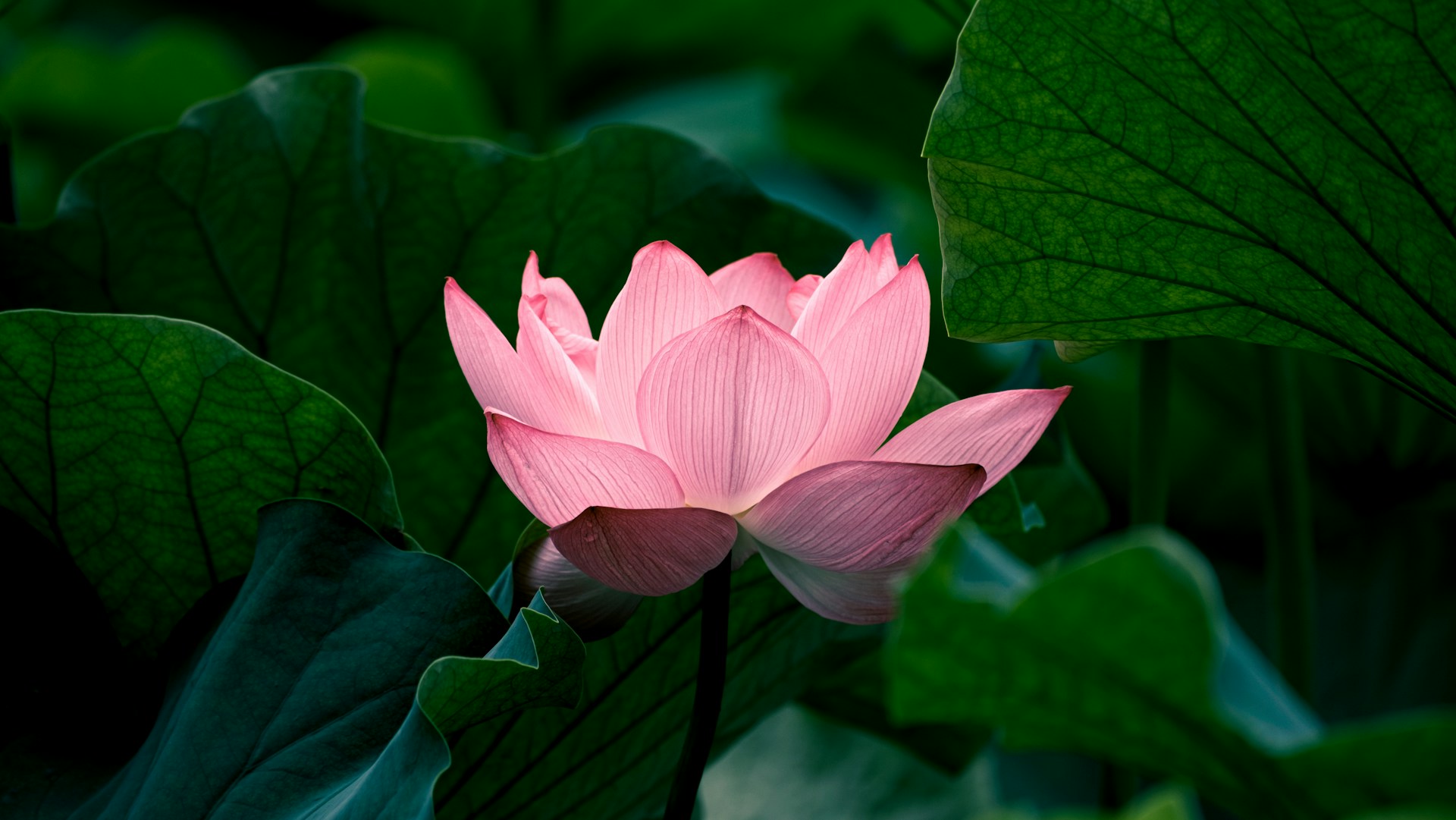
    The lotus, the flower in our name, carries one of the oldest stories in the world. It has been painted on temple walls, carved into stone columns and folded into poems for thousands of years, and it remains a favorite symbol of calm and fresh beginnings. As spring returns to Middle Georgia, it seems like the right time to look at where that reputation comes from.

    A Flower That Rises From the Mud

    The sacred lotus, known to botanists as Nelumbo nucifera, is an aquatic plant that roots itself in the mud at the bottom of ponds and slow rivers. Its stems push up through murky water, and its leaves and flowers open in the air above the surface, clean and unstained. That simple fact of botany is the root of nearly all its symbolism. A beautiful thing grows out of the least promising place, and it does so every year.

    The flowers are large and usually pink or white. They open in the morning and close again later in the day, a rhythm that has made the lotus a natural emblem of daily renewal as well as seasonal renewal.

    Sacred Across Cultures

    In India, the lotus is the national flower and appears throughout Hindu art, often as the seat of deities. In Buddhist tradition, it represents purity of heart and the possibility of growth no matter where a person begins. The familiar cross-legged posture used in meditation is still called the lotus position.

    Ancient Egyptians also revered a lotus, though the flower in their art was most likely a water lily rather than the Asian lotus. It opened with the sun and closed at night, and it became linked to the sun and to rebirth. Across East Asia, lotus seeds and roots are everyday foods, and lotus ponds are a cherished feature of summer gardens.

    Two Remarkable Facts

    • Lotus leaves shed water and dirt so effectively that scientists use the term lotus effect to describe self-cleaning surfaces. Droplets bead up and roll off, carrying dust with them.
    • Lotus seeds are famously long-lived. Researchers have germinated seeds recovered from a dry lakebed in China that were many centuries old, which is part of why the plant is so often tied to patience and persistence.

    What the Lotus Can Mean This Spring

    You do not need a pond to borrow something from the lotus. Its story offers a few gentle ideas for the season of renewal:

    • Beginnings can be muddy. A fresh start rarely looks tidy at first.
    • Growth is gradual. The stem rises slowly before the flower appears.
    • Opening and closing is natural. Rest is part of the rhythm, not a failure of it.
    • Something old can still bloom. A long-neglected intention may only need the right season.

    You might write one of these ideas on a card and set it where you will see it in the morning, or simply bring it to mind on a walk when you pass a pond or a patch of fresh green growth.

    Bringing the Lotus Home

    Lotus imagery is easy to weave into a calm corner at home. A single bloom in a photograph, a small ceramic dish shaped like a flower, or a lotus-patterned cushion can serve as a quiet reminder to pause. Some people enjoy a lotus-shaped tea light holder for an evening wind-down.

    If you are lucky enough to find lotus growing in a botanical garden or a park pond, take a few minutes to watch it. Notice the water beading on the leaves and the way the flowers follow the light. It is a small, free moment of beauty, and a reminder that renewal is always on its way.

  • Refreshing Your Self-Care Space for the Coming Spring

    Refreshing Your Self-Care Space for the Coming Spring

    In Middle Georgia, the first signs of spring often appear before February ends. Daffodils push up, red maples begin to bloom and the days stretch a little longer. It is a natural moment to look around your home, especially the spaces where you rest and care for yourself, and give them a gentle refresh.

    This is not about a massive spring cleaning marathon. It is about tending a few small spaces so they feel calm and inviting.

    The Bathroom Cabinet

    Start with the place many of us store skincare and self-care products:

    • Take everything out and wipe down the shelves.
    • Check expiration dates and the small open-jar symbol on products.
    • Set aside anything that has changed in smell, color or texture.
    • Discard expired sunscreen, since it may not work as labeled.
    • Group what is left by use: morning, evening, occasional.

    Dispose of old products according to local guidelines, and ask your pharmacist about safe disposal of any medications.

    Your Essential Oil Collection

    Essential oils change over time, especially citrus and conifer oils. Take inventory:

    • Smell each oil and note any that seem sour or flat.
    • Check that caps are tight and droppers are clean.
    • Label bottles with the date opened if you have not already.
    • Store everything in a cool, dark place, out of reach of children and pets.

    Clean Your Diffuser

    Diffusers can build up residue over the winter. Follow the manufacturer’s cleaning instructions, which often involve a gentle wipe and a rinse with water or a little white vinegar. Let it dry completely before using again.

    The Bedroom

    Your bedroom deserves a refresh too:

    • Wash or air out heavy winter blankets and store them.
    • Switch to lighter bedding as nights warm up.
    • Wash pillows or pillow covers according to their care labels.
    • Clear off the nightstand.
    • Dust lamps and shelves.
    • Open windows on a mild day to let in fresh air, keeping in mind that pollen season may be beginning.

    A Reading or Rest Corner

    If you have a favorite spot for reading, journaling or quiet time, give it some attention. Shake out cushions, wash throws, return books to the library and refresh any plants with a little water and a sunny spot. You might add something seasonal, such as a small vase of fresh flowers or a bright new candle.

    Make Room for New Routines

    As you clear out, consider what you want your spring self-care to look like. Perhaps you want to spend more time outdoors, start a morning walk or try a new relaxing experience. Leaving a little empty space on a shelf or in your schedule makes room for something new.

    A Gentle Pace

    You do not need to do this all in one day. Pick one space each weekend and enjoy the process. Open the windows, put on music and let the work feel like a fresh start rather than a chore. By the time spring fully arrives, your home will feel ready to welcome it.

  • Sound and Relaxation: Nature Sounds, White Noise and Quiet

    Sound and Relaxation: Nature Sounds, White Noise and Quiet

    Sound has a powerful effect on how we feel. A sudden car alarm can make us tense, while the sound of rain on the roof can make us want to curl up with a book. Thoughtfully choosing the sounds around us, or the absence of sound, is a simple way to support relaxation, focus and rest.

    This is general wellness information. If you have hearing concerns, tinnitus or ongoing sleep problems, please talk with your doctor.

    Nature Sounds

    Many people find nature sounds soothing. Common favorites include:

    • Gentle rain
    • Ocean waves
    • A flowing creek or river
    • Birdsong in the morning
    • Wind through trees
    • Crickets and frogs on a summer night

    You can enjoy these sounds outdoors, through an open window or through recordings. Many people use nature sounds to help them relax in the evening or to create a calm atmosphere while reading or working.

    White Noise and Its Relatives

    White noise is a steady sound that contains a broad mix of frequencies, a bit like the hiss of a radio between stations. People often use it to mask other sounds. You may also hear about related types:

    • Pink noise, which sounds deeper and softer, a bit like steady rainfall
    • Brown noise, which is deeper still, a bit like a low rumble or distant waterfall

    A fan, an air purifier or a dedicated sound machine can all provide steady background sound. Many people find that a consistent sound helps mask sudden noises, like a door closing or a dog barking, that might otherwise disturb them.

    Music for Relaxation

    Music can also be a lovely part of a calming routine. Slow, gentle music without lyrics is often preferred for relaxation, because lyrics can draw your attention. Classical pieces, soft piano, ambient music or instrumental acoustic guitar are all good choices. Choose music you genuinely enjoy, since personal taste makes a big difference.

    Keep the Volume Comfortable

    Whatever you listen to, keep the volume at a comfortable, moderate level, especially with headphones. If you use sound to help you sleep, a timer that turns it off after a while can be helpful.

    The Value of Quiet

    Sometimes the most restful sound is no sound at all. Many people rarely experience true quiet, with televisions, phones and traffic filling their days. Try spending a few minutes in silence each day, perhaps in the early morning or late evening. Notice what you hear when you stop adding sound: the hum of the house, the wind outside, your own breath.

    Creating Your Sound Routine

    Experiment with different sounds for different moments:

    • Birdsong or soft music in the morning
    • Instrumental music or gentle background sound during focused work
    • Nature sounds or quiet during an evening wind-down
    • Steady background sound, or silence, for sleep

    Notice which sounds help you feel calm and which feel distracting. Over time, you can build a sound routine that supports how you want to feel throughout the day.

  • Creating a Calmer Workspace at Home or the Office

    Creating a Calmer Workspace at Home or the Office

    Many of us spend a large part of each day at a desk, whether in an office, a home office or at the kitchen table. The space around us shapes how the day feels. A cluttered, noisy or uncomfortable workspace can make even ordinary tasks feel stressful. A few thoughtful changes can make it a calmer place to spend your hours.

    Start With a Clear Surface

    Clutter competes for attention. Take a few minutes to clear your desk:

    • Remove anything you have not used in a week.
    • Give papers a home, such as a single tray or folder.
    • Keep only the essentials within arm’s reach.
    • Wipe down the surface.

    At the end of each day, take two minutes to reset your desk so you start the next morning with a clear space.

    Make It Comfortable

    Physical comfort matters. Small adjustments can help:

    • Adjust your chair so your feet rest flat on the floor.
    • Position your screen roughly at eye level.
    • Keep your keyboard and mouse close enough that you are not reaching.
    • Use a cushion or a small footrest if needed.

    If you have ongoing discomfort or pain while working, talk with your doctor or a physical therapist, or ask your workplace about ergonomic support.

    Work With Light

    Natural light can make a workspace feel more pleasant. If possible, position your desk near a window. If you work in a dim space, a desk lamp with a warm bulb can make the area feel more inviting. Avoid sitting with a bright window directly behind your screen, which can cause glare.

    Bring in Something Living

    Plants are a simple way to soften a workspace. Low-maintenance options like pothos, snake plants or ZZ plants can do well in many indoor conditions. If you have pets, check that your plants are safe for them, since some common houseplants can be harmful to cats and dogs.

    Consider Sound and Scent

    Noise can make it hard to focus. If your space is noisy, try headphones with soft instrumental music or nature sounds. If it is too quiet, gentle background sound may help.

    Some people enjoy a subtle scent in their workspace. In a shared office, check with coworkers first, since many people are sensitive to fragrance. At home, a diffuser run briefly can add a pleasant note.

    Build In Small Pauses

    A calm workspace is not only about the space itself. It is also about how you use it. Build short breaks into your day:

    • Stand and stretch every hour or so.
    • Look away from your screen periodically and focus on something far away.
    • Take a few slow breaths between tasks.
    • Step outside for a few minutes at lunch.

    A personal touch, such as a favorite photo, a postcard or a small object that makes you smile, can make the space feel more like your own. With a clear surface, comfortable setup and a few calming details, your workspace can support a steadier, more peaceful day.

  • Exfoliation Basics: How Often, What Kind and When to Skip It

    Exfoliation Basics: How Often, What Kind and When to Skip It

    Exfoliation is the process of removing dead skin cells from the surface of the skin. Our skin sheds cells naturally, but many people enjoy the smooth feeling that comes with gentle exfoliation. As with most things in skincare, the key is moderation. Too much exfoliation can leave skin red, raw or sensitive.

    This is general information. If you have a skin condition, such as eczema or rosacea, or use prescription skincare, talk with a dermatologist before exfoliating.

    Two Main Types

    Physical Exfoliation

    Physical, or mechanical, exfoliation uses texture to remove dead cells. Examples include:

    • Scrubs with fine particles
    • Soft washcloths
    • Cleansing brushes
    • Exfoliating mitts for the body

    If you use a scrub, choose one with fine, smooth particles and use light pressure. Harsh, jagged particles can be rough on facial skin.

    Chemical Exfoliation

    Chemical exfoliation uses ingredients that help loosen dead skin cells. Common examples include alpha hydroxy acids, such as glycolic and lactic acid, beta hydroxy acids, such as salicylic acid, and enzymes derived from fruits like papaya and pineapple.

    Chemical exfoliants come in many strengths. Start with gentle, low-concentration products, follow the label directions and introduce them slowly.

    How Often to Exfoliate

    There is no single answer. Many people with normal skin find that exfoliating the face once or twice a week is plenty. People with sensitive or dry skin may prefer less often, or not at all. Oilier skin may tolerate a little more. Pay attention to how your skin responds and adjust accordingly.

    The body can often handle a little more exfoliation than the face, but the same principle applies: gentle and consistent is better than harsh and frequent.

    Signs You Are Overdoing It

    Watch for signs that your skin needs a break:

    • Redness or stinging
    • A tight, shiny or raw appearance
    • Burning when you apply other products
    • Increased sensitivity or flaking

    If you notice these, stop exfoliating, use a simple, gentle routine and let your skin recover. If irritation does not improve, see a dermatologist.

    When to Skip It

    There are times when it is wise to skip exfoliation:

    • On sunburned, broken or irritated skin
    • Right before or after a professional facial or treatment, unless your esthetician advises otherwise
    • When using prescription skincare that already increases sensitivity, unless your doctor approves
    • Before significant sun exposure

    Do Not Forget Sunscreen

    Many exfoliating products, especially those with alpha hydroxy acids, can increase sun sensitivity. Wear broad-spectrum sunscreen daily, and follow any warnings on your product labels.

    Finding Your Balance

    Exfoliation can be a pleasant part of a skincare routine, but it is not something to do aggressively. Start slowly, listen to your skin and remember that less is often more. A gentle, consistent routine tends to keep skin feeling comfortable and smooth.

  • Light and Your Daily Rhythm: Working With the Shorter Days

    Light and Your Daily Rhythm: Working With the Shorter Days

    Most of us have noticed that we feel different on bright days than on dark ones. Light influences the rhythm of our days in ways we rarely think about. In late winter, when days are still relatively short, paying attention to light can be a simple way to support a steady daily routine.

    This is general wellness information. If you have ongoing sleep problems, fatigue or mood concerns, please talk with your doctor.

    A Quick Look at Daily Rhythms

    The human body follows an approximately twenty-four-hour cycle often called the circadian rhythm. This internal clock helps shape patterns of alertness and sleepiness across the day. Light, especially natural daylight, is one of the most important signals that helps keep this rhythm aligned with the outside world.

    Bright light in the morning tends to signal that it is time to be awake. Darkness in the evening helps signal that it is time to wind down. Modern life, with indoor lighting and screens at all hours, can blur those signals.

    Morning Light

    Many sleep resources suggest getting natural light early in the day. Simple ways to do this:

    • Open the curtains as soon as you wake up.
    • Eat breakfast near a sunny window.
    • Step outside for a few minutes in the morning.
    • Take a short walk before work or school.

    Even on cloudy days, outdoor light is usually much brighter than indoor lighting.

    Daytime Light

    During the day, try to spend time near windows or outdoors when you can. If you work indoors, consider taking breaks outside or arranging your workspace near natural light. A lunch-hour walk is a pleasant way to get both movement and light.

    Evening Light

    As evening approaches, lowering the lights can help signal that the day is winding down:

    • Switch from bright overhead lights to lamps with warm bulbs.
    • Dim screens or use night mode settings.
    • Put phones and tablets away for the last part of the evening.
    • Keep the bedroom dark at night, using curtains or a sleep mask if needed.

    A Word on Light Devices

    You may have seen light boxes or wake-up lights marketed for winter. Some people use these, but if you are considering one for sleep or mood concerns, talk with your doctor first. They can help you decide whether it is appropriate and how to use it safely.

    Consistency Helps

    Along with light, a consistent schedule supports a steady rhythm. Many sleep resources recommend going to bed and waking up at roughly the same time every day, including weekends. Regular mealtimes and a predictable evening routine can help too.

    Looking Toward Spring

    In Georgia, daylight saving time typically begins in March, bringing longer evenings. Until then, making the most of the light you have, bright mornings and dim evenings, is a gentle way to work with the season rather than against it. Notice how you feel on days when you get outdoor light, and let that guide your routine.

  • The Body Scan: A Simple Relaxation Practice You Can Do Lying Down

    The Body Scan: A Simple Relaxation Practice You Can Do Lying Down

    The body scan is a classic relaxation and mindfulness practice. It involves slowly moving your attention through each part of your body, noticing sensations without trying to change them. It can be done lying in bed, on a mat or in a comfortable chair, and it takes anywhere from five to thirty minutes.

    Many people enjoy a body scan as part of an evening wind-down routine. If you have chronic pain, a health condition or a history of trauma, consider talking with your doctor or a licensed professional before starting new mindfulness practices, and feel free to keep your eyes open or stop at any time.

    Getting Ready

    Choose a quiet space where you will not be interrupted. Lie on your back with your arms resting by your sides and your legs comfortably apart. You can place a pillow under your knees for comfort. If lying down is uncomfortable, sit in a supportive chair instead.

    Close your eyes or soften your gaze. Take a few slow, natural breaths.

    The Practice, Step by Step

    Feet and Legs

    Bring your attention to your toes. Notice any sensations: warmth, coolness, tingling or nothing at all. There is no right thing to feel. Slowly move your attention to the soles of your feet, your heels, your ankles. Then move up through your calves, knees and thighs. Take your time.

    Hips, Belly and Back

    Notice where your body makes contact with the bed or floor. Move your attention through your hips and lower back. Notice your belly gently rising and falling with each breath. Then move up through your middle and upper back.

    Chest, Arms and Hands

    Notice your chest and the rhythm of your breathing. Then bring your attention to your shoulders, which often hold tension. Move down through your upper arms, elbows, forearms, wrists, palms and each finger.

    Neck, Face and Head

    Notice your neck and throat. Then move to your jaw, which many people clench without realizing. Notice your lips, cheeks, nose, eyes and forehead. Finally, bring your attention to the top of your head.

    When Your Mind Wanders

    Your mind will wander. When you notice it has, gently return your attention to the last part of the body you remember. There is no need to start over or criticize yourself. Returning is the practice.

    If You Notice Tension

    When you find areas of tightness, you can simply notice them. Some people like to imagine breathing into the tense area, or allowing it to soften slightly as they exhale. Others prefer to simply observe. Either approach is fine.

    Finishing the Practice

    After you have scanned your whole body, take a few moments to notice it as a whole. Feel the breath moving through you. Then slowly wiggle your fingers and toes, stretch gently and open your eyes. If you are practicing before sleep, you may simply let yourself drift off.

    Making It a Habit

    Body scans can feel unfamiliar at first, but they often become easier with practice. Try one a few nights a week, perhaps as the last step of your bedtime routine. You can also find guided body scan recordings from many sources if you prefer a voice to follow. Over time, this simple practice can help you feel more at home in your own body.

  • Citrus Oils and the Sun: Understanding Photosensitivity

    Citrus Oils and the Sun: Understanding Photosensitivity

    Citrus essential oils like lemon, orange, grapefruit and bergamot are some of the most popular scents in aromatherapy. Their bright, cheerful fragrance can make a room feel fresh, especially on a gray late-winter day. But some citrus oils carry a special precaution: they can make skin more sensitive to sunlight.

    This is general information. For questions about skin reactions or sun sensitivity, talk with your doctor or a dermatologist.

    What Is Photosensitivity?

    Photosensitivity, sometimes called phototoxicity in this context, refers to a reaction that can occur when certain substances on the skin are exposed to ultraviolet light. Some citrus oils contain natural compounds called furanocoumarins. When skin with these compounds on it is exposed to sunlight or tanning beds, it can become red, irritated, blistered or discolored, sometimes in streaky patterns.

    Which Oils Are Commonly Noted

    Aromatherapy references often list certain cold-pressed citrus oils as photosensitizing. Examples commonly mentioned include:

    • Bergamot, unless it is labeled as bergamot FCF, meaning furanocoumarin-free
    • Cold-pressed lemon
    • Cold-pressed lime
    • Grapefruit
    • Bitter orange

    Not all citrus oils carry the same concern. The method of extraction matters. Steam-distilled citrus oils are often described as having less risk than cold-pressed versions. Sweet orange and mandarin are frequently listed as lower concern. Because information varies, check a reputable aromatherapy reference or ask a qualified aromatherapist about any specific oil.

    Simple Precautions

    If you use citrus oils on your skin, a few general practices can help:

    • Use low dilutions in a carrier oil.
    • Avoid applying photosensitizing oils to skin that will be exposed to the sun or tanning beds within the period recommended by your reference, often listed as around twelve hours.
    • Apply blends to areas that will be covered by clothing.
    • Choose bergamot FCF if you want bergamot’s scent on skin.
    • Save bright citrus oils for diffusing rather than skin application during sunny months.

    Remember Hidden Sources

    Photosensitizing compounds can also appear in perfumes, lotions and other products that contain citrus oils. If you have had a reaction in the past, look at ingredient labels carefully. Fresh limes and other citrus fruits can also cause reactions when juice gets on the skin before sun exposure, which is why it is a good idea to wash your hands after squeezing limes outdoors.

    Enjoying Citrus Safely

    The easiest way to enjoy citrus scents without worrying about photosensitivity is to diffuse them. A few drops in a diffuser can brighten a kitchen or living room on a cloudy afternoon. Run the diffuser for short periods in a ventilated room, and be mindful of pets and anyone with breathing sensitivities.

    If You Have a Reaction

    If you notice redness, burning or blistering after using a citrus product and being in the sun, wash the area gently, keep it out of the sun and contact your doctor. With a little knowledge, though, you can continue to enjoy the cheerful scent of citrus as part of your self-care routine.