Healing Starts Within

💌 Discover our wellness rituals designed to reduce stress and revitalize.

Book Now · Call (478) 303-6936

Reserve your personalized wellness session today and take the first step toward deep healing.

Welcome to Lotus Natural Wellness

With Sonya Gordon

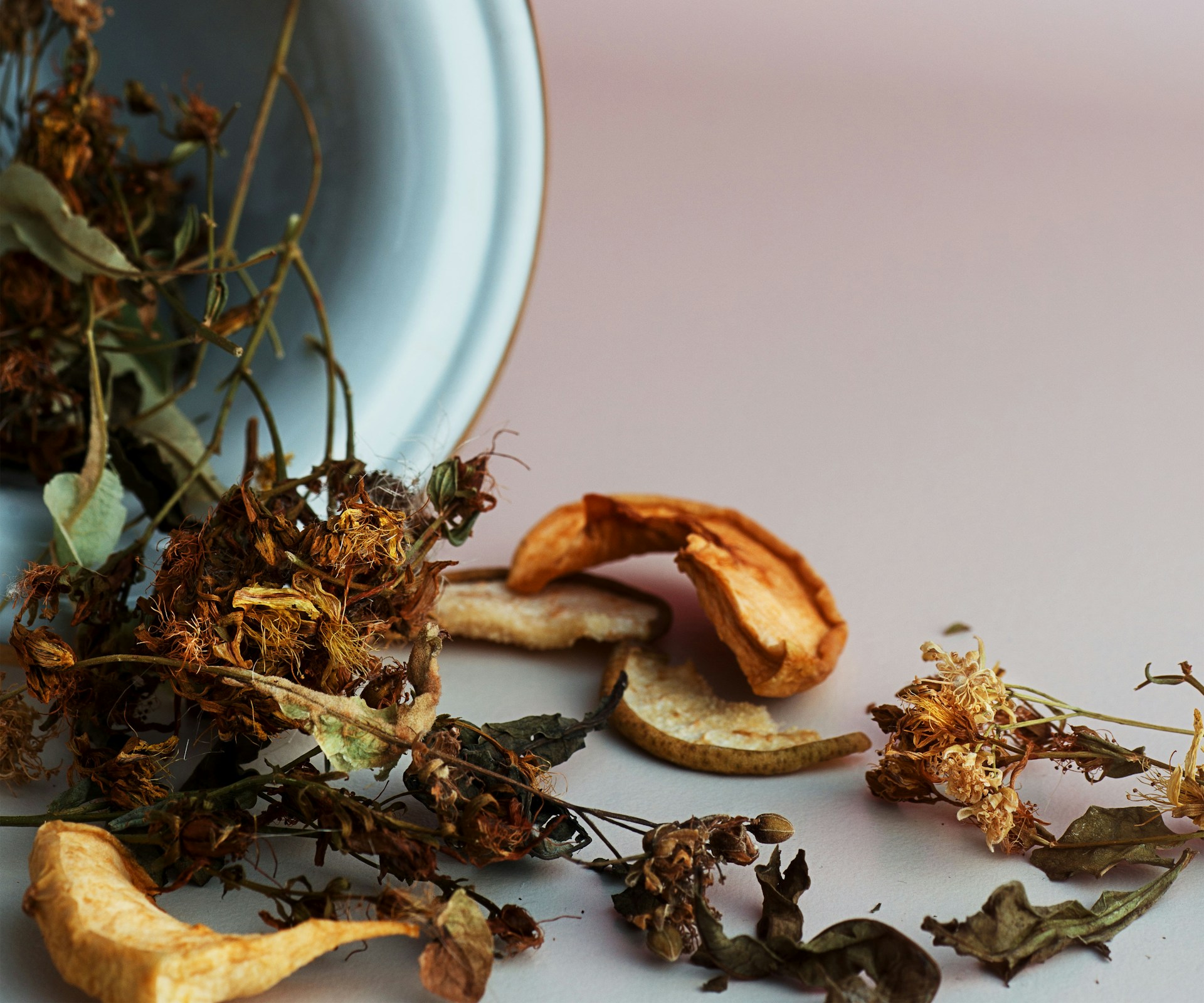
  • Rosemary: History, Lore and Everyday Enjoyment

    Rosemary: History, Lore and Everyday Enjoyment

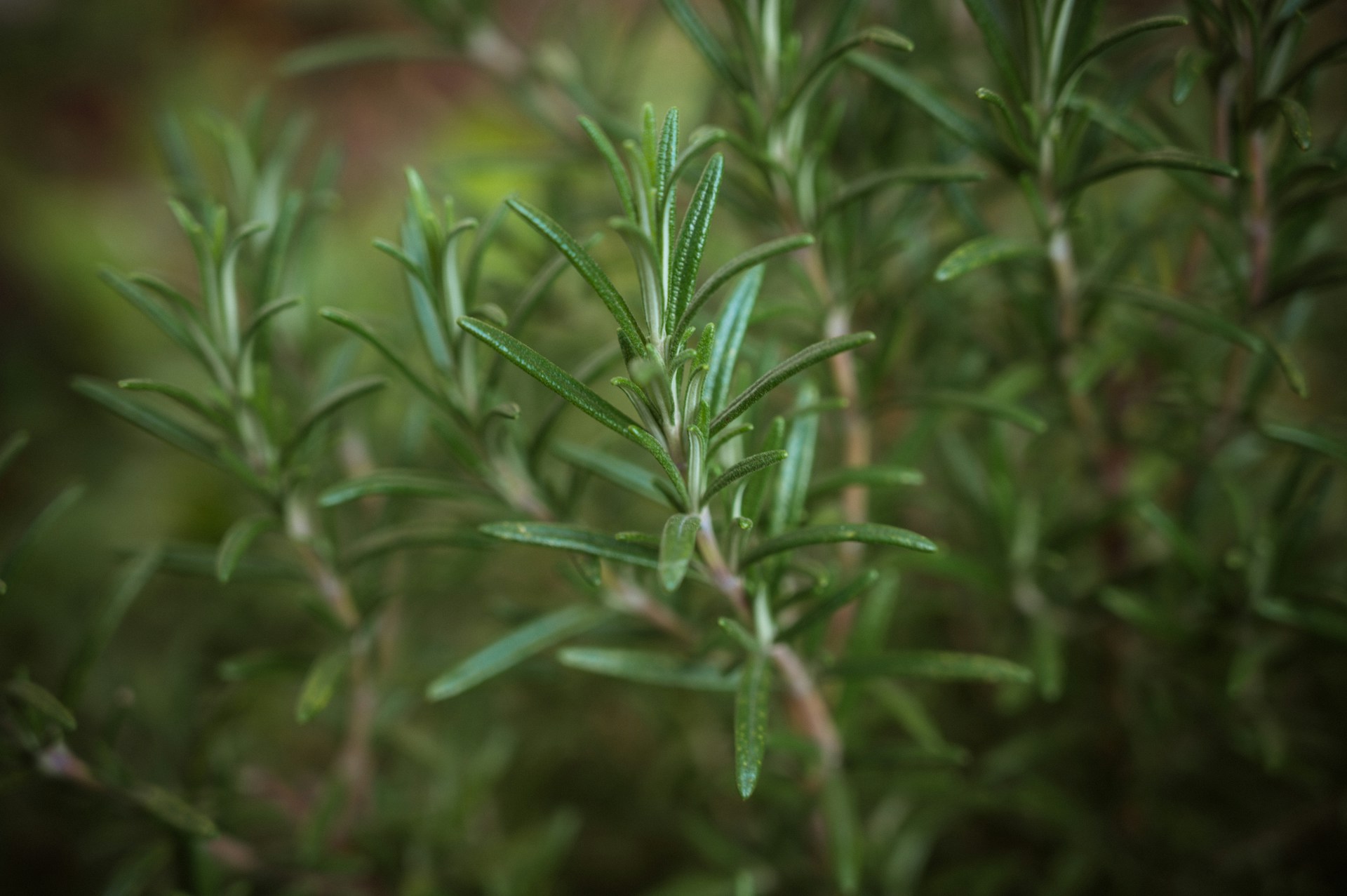
    Rosemary is one of the most familiar scents in the kitchen and the garden: sharp, piney, a little like camphor, with a hint of something sweet underneath. It has been grown around the Mediterranean for thousands of years and carries a long trail of stories about memory, loyalty and remembrance. It is also a plant that thrives in Georgia gardens, which makes it an easy herb to know well.

    Dew of the Sea

    The name comes from the Latin ros marinus, meaning dew of the sea, a nod to the plant’s habit of growing on sunny coastal hillsides where it needs little more than sea mist to survive. Botanists long called it Rosmarinus officinalis; in recent years it was reclassified into the sage family as Salvia rosmarinus, though gardeners and cooks still use the old name. It is a woody evergreen shrub with needle-like leaves and small blue, purple or white flowers that bees love.

    A Herb of Remembrance

    In the ancient world, students in Greece were said to wear rosemary garlands while studying, and the plant became associated with memory. That link endured for centuries. In Shakespeare’s Hamlet, Ophelia hands out rosemary for remembrance. The herb appeared at both weddings, as a symbol of fidelity, and funerals, where sprigs were carried or cast into graves. In parts of Europe, it was burned in sickrooms and tucked into linen chests, more for its fresh scent than for anything proven about it.

    Rosemary also traveled with cooks. Roman recipes used it, medieval monastery gardens grew it, and it remains a cornerstone of Mediterranean cooking, from roasted lamb to focaccia.

    Rosemary in Aromatherapy

    Rosemary essential oil is steam distilled from the leaves and flowering tops. Its scent is clean, herbal and bracing, and many people describe it as the smell of alertness. It appears often in morning diffuser blends, in combination with citrus oils, and in scented products for the bath and shower.

    The oil comes in several chemotypes, which means plants of the same species grown in different places produce oils with noticeably different chemistry and scent. Some lean more camphorous, others softer and more herbal. The label may note the chemotype, and it is worth sniffing a few if you can.

    Using It Thoughtfully

    Rosemary is enjoyed as a fragrance and a flavor, not as a remedy, and we make no claims about it beyond that. A few sensible habits:

    • Dilute rosemary essential oil in a carrier oil before any skin contact, and patch test first.
    • Keep diffuser sessions short, around thirty minutes, in a ventilated room.
    • Many aromatherapy references advise caution for people who are pregnant, have high blood pressure or have a seizure disorder. If any of those apply to you, talk with your doctor before using the oil.
    • Keep it away from children and pets, and never swallow essential oil.
    • For most everyday purposes, the fresh herb is the gentlest way to enjoy the scent.

    Simple Ways to Enjoy Rosemary

    Grow a plant by the back door and brush it as you pass. Add a sprig to a bowl of steaming water for a facial steam. Simmer a few stems with lemon peel on the stove for a natural room scent. Tie a small bundle with twine and hang it in the shower, where the warm water releases its fragrance. Tuck dried sprigs into a drawer of linens. None of these take more than a minute, and all of them bring a little of the sunny Mediterranean hillside into a Georgia spring.
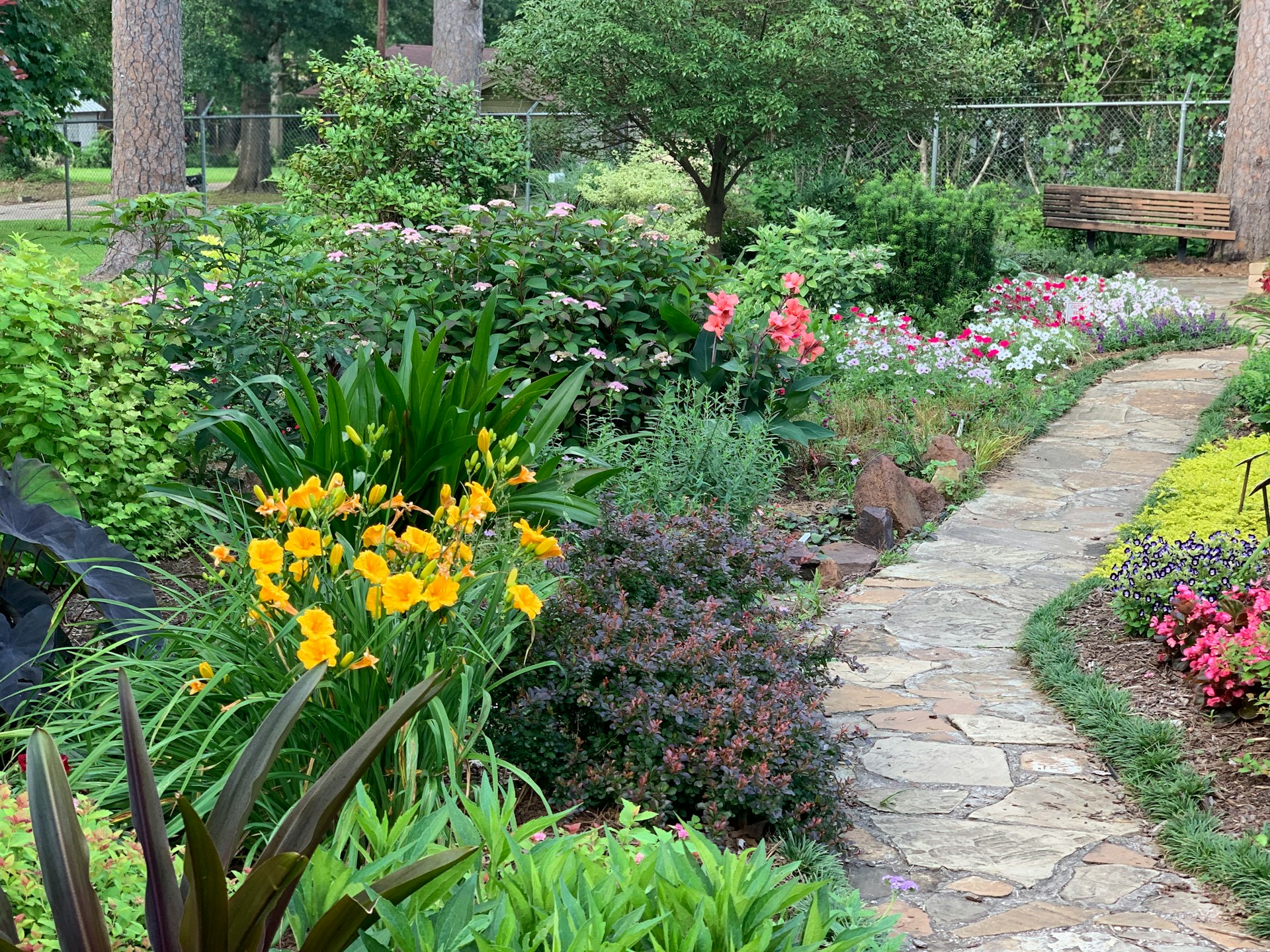
  • Starting a Small Herb Garden for Fragrance and Calm

    Starting a Small Herb Garden for Fragrance and Calm

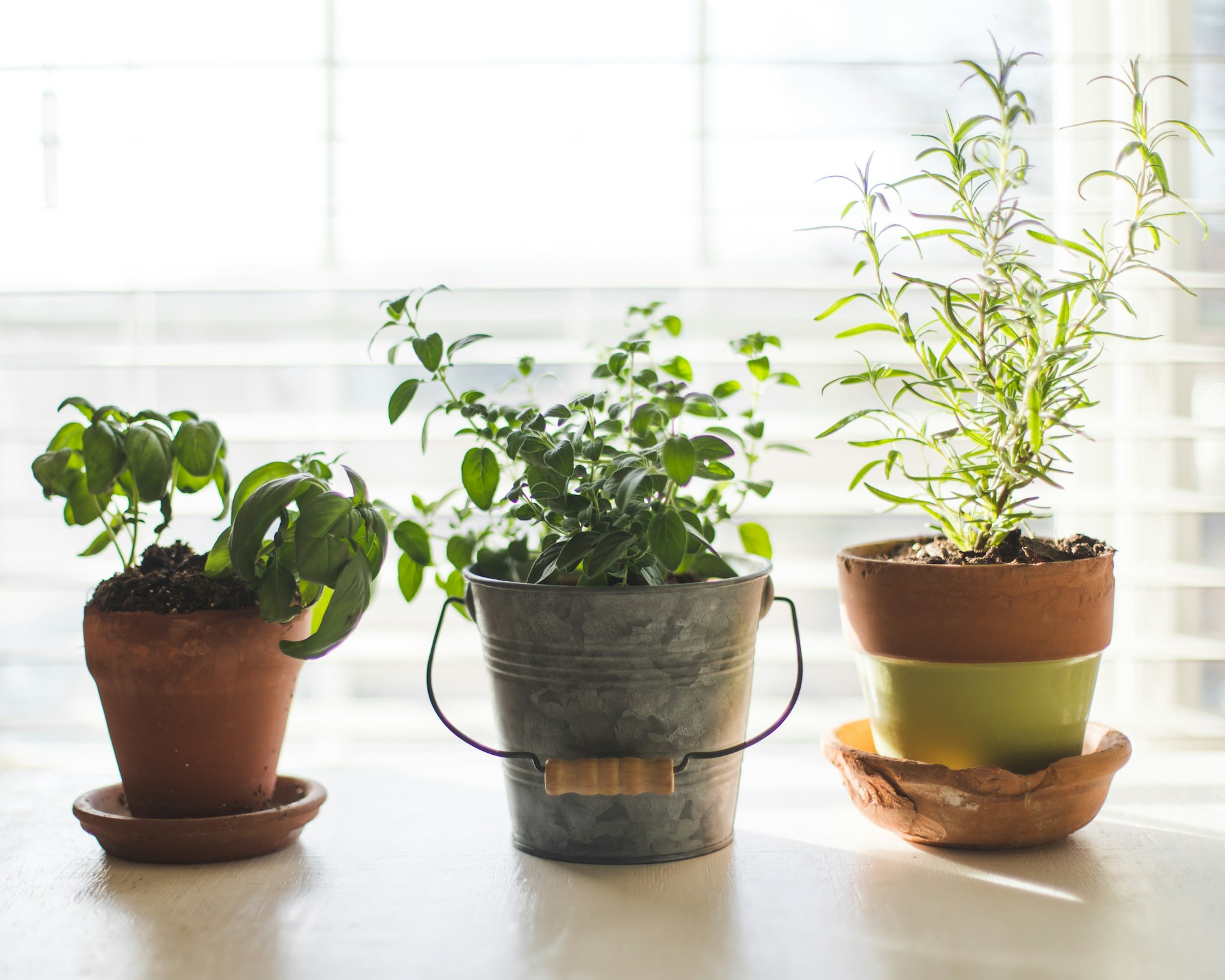
    You do not need a yard to grow herbs. A few pots on a sunny windowsill, a railing planter on an apartment balcony or a half-barrel by the back steps is enough. Herbs are forgiving, fragrant and useful, and tending them is one of the most pleasant small rituals a spring can offer. In Middle Georgia, late March and April are a good time to start, once the risk of a hard frost has passed. Check a local extension office or garden center for planting dates in your area.

    Why Herbs

    Herbs reward attention quickly. Brush a hand across rosemary or mint and the scent rises immediately. Snip a few leaves for dinner and you have used something you grew. The plants ask for a little water and a little sun, and in return they give fragrance, flavor and a reason to step outside for a moment every day. For many people, that daily check-in is the whole point.

    Six Easy Herbs to Start With

    • Basil loves heat and sun, which makes it a natural for Georgia summers. Pinch the tops to keep it bushy and delay flowering.
    • Rosemary is a woody evergreen that thrives in sun and well-drained soil. It dislikes wet feet, so do not overwater.
    • Mint is vigorous to the point of being pushy. Give it its own pot so it does not take over, and enjoy it in iced tea.
    • Thyme is low-growing and tough. It tolerates dry spells and smells wonderful underfoot.
    • Chives come back year after year and produce pretty purple flowers in spring.
    • Lemon balm, a cousin of mint, has a bright citrus scent and is very easy to grow in a pot.

    Lavender is tempting, but it struggles in humid Southern summers. If you try it, choose a container with excellent drainage and give it the sunniest, airiest spot you have.

    Containers, Soil and Light

    Most herbs want at least six hours of sun. A south- or west-facing spot is usually best. Use pots with drainage holes and a good-quality potting mix rather than garden soil, which compacts in containers. Terra cotta dries out quickly, which rosemary and thyme appreciate; plastic or glazed pots hold moisture longer, which basil and mint prefer. Group pots so you can water them in one pass.

    Daily Care as a Small Ritual

    Herbs need very little, but they like consistency. Each morning, take a minute to check the soil with a finger. Water when the top inch feels dry, less often than you think for rosemary and thyme, a little more for basil and mint in July. Pinch off yellowing leaves. Harvest a few sprigs regularly; cutting encourages new growth. Keep this check-in slow. Smell the leaves, look for new shoots and notice bees visiting the chive flowers.

    Enjoying the Harvest

    Fresh herbs make simple things better: mint and lemon balm in cold water or tea, basil torn over tomatoes, rosemary on roasted vegetables, thyme in soup. Beyond the kitchen, a sprig of rosemary in a bowl of hot water for a facial steam, a bundle of mint hung in the shower or a small vase of herb cuttings on the desk brings fragrance indoors. Dry extra stems by hanging small bundles in a dark, airy place.

    A small herb garden is not a project to complete. It is a quiet companion to the season, growing a little each day while you do the same.

  • Feeling Steady: Simple Grounding Practices for Busy Spring Days

    Feeling Steady: Simple Grounding Practices for Busy Spring Days

    Spring is a season of motion. Calendars fill, pollen flies, the days stretch and everything seems to speed up at once. On the days when your thoughts race ahead of you, a grounding practice offers a way back to the present. Grounding simply means using your senses and your body to anchor attention in the here and now. It is a mindfulness skill, not a treatment, and it asks nothing of you but a minute or two.

    What Grounding Means Here

    The word grounding shows up in several contexts, some of them attached to health claims about standing barefoot on the earth. We are not making any such claims. In this article, grounding means a set of simple, sensory practices that many people find steadying when their minds are busy. If you are dealing with anxiety or another mental health concern, please talk with a doctor or counselor; these practices are a complement to care, never a substitute.

    The Five Senses Exercise

    This is the most widely shared grounding practice, and it works anywhere. Pause and quietly notice:

    • Five things you can see. Look for details you would usually skip, like the grain of a table or the color of a shadow.
    • Four things you can feel. The chair under you, the fabric of your sleeve, the air on your skin, your feet on the floor.
    • Three things you can hear. Near sounds and far ones.
    • Two things you can smell. If nothing is obvious, notice the smell of the room or your own hands.
    • One thing you can taste.

    By the time you finish, a minute or two has passed and your attention has moved out of your thoughts and into the room.

    Feet on the Ground

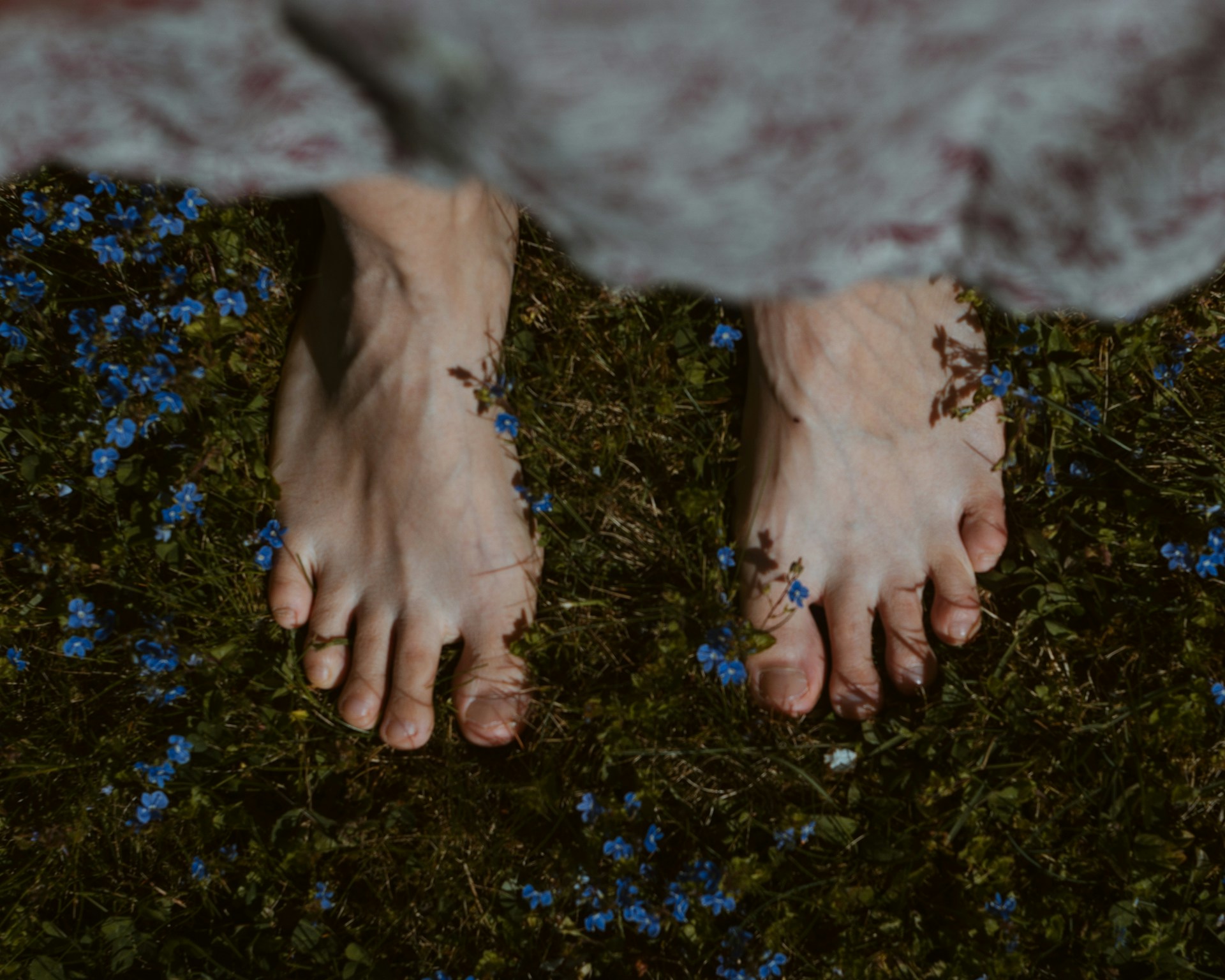
    A simpler practice is to notice your feet. Sitting or standing, press them gently into the floor. Feel the heels, the balls of the feet, the toes. Rock your weight slightly forward and back, then side to side, then let it settle in the center. Many people like to do this barefoot on grass in the early morning, when the ground is cool and slightly damp. The sensation is vivid and pleasant, and it makes a lovely start to a spring day. Watch for stinging insects and anything sharp.

    Holding Something

    Objects can be anchors. A smooth stone kept in a pocket, a cool glass of water held in both hands, a warm mug, a piece of rough bark. Hold the object and give it your full attention for thirty seconds: its weight, temperature, texture and shape. Some people carry a small object specifically for this purpose and reach for it in waiting rooms and traffic.

    Running cool water over your wrists or splashing it on your face is another quick sensory reset. So is stepping outside for three slow breaths, especially on a cool morning or just after rain. Neither takes more than a minute, and both work well in the middle of a long day.

    Making It a Habit

    Grounding is most useful when it is familiar, so practice it when you are already calm. Try one of these exercises while waiting for coffee to brew or at a red light. Then, on a hectic afternoon, the practice will already be in your hands. Spring will keep moving. These small anchors help you move with it, rather than being carried away.

  • Walking Meditation: How to Practice It Step by Step

    Walking Meditation: How to Practice It Step by Step

    Many people who find sitting meditation difficult discover that walking meditation suits them better. The body has something to do, the mind has a rhythm to follow, and the practice can be done almost anywhere: a hallway, a backyard, a quiet stretch of a park path. Spring, with its mild mornings, is a lovely time to try it.

    What It Is

    Walking meditation is simply walking with full attention. Instead of letting your mind wander to plans and worries while your feet carry you along, you bring attention to the act of walking itself: the lift of a foot, its movement through the air, the moment it meets the ground. The practice has deep roots in Buddhist traditions, where it is often alternated with periods of seated meditation, but it requires no particular belief.

    It is not exercise, and it is not a stroll. The pace is usually much slower than a normal walk, sometimes very slow indeed, though you can adapt it to a normal pace once you are comfortable.

    Setting Up

    Choose a path of about ten to twenty paces where you can walk back and forth without obstacles or much attention from others. Indoors, a hallway or a clear stretch of living room works. Outdoors, a quiet garden path, a porch or an empty corner of a park is ideal. You can walk barefoot on grass or a clean floor if you like the added sensation, or wear comfortable shoes.

    Set aside ten minutes to start. A timer with a gentle chime saves you from checking the clock.

    Step by Step

    • Stand still at one end of your path. Feel your weight settle into both feet. Take three slow breaths.
    • Begin to walk slowly. Notice the heel of one foot lifting, the foot moving forward, the heel and then the toes touching down, and the weight shifting onto it.
    • Keep your gaze soft and slightly downward, a few feet ahead, rather than staring at your feet.
    • Let your arms hang naturally or clasp your hands loosely in front or behind.
    • When you reach the end of your path, stop. Pause for a breath. Turn around slowly, with the same attention, and begin again.
    • When your mind wanders, and it will, simply notice where it went and return to the feeling of your feet.

    Some people quietly label the parts of each step in their mind: lifting, moving, placing. Others coordinate breath with steps, breathing in for a few steps and out for a few more. Use whatever helps you stay present.

    Common Hurdles

    Feeling self-conscious is the biggest one. Walking very slowly in public looks a little odd, which is why beginners often practice at home or in a quiet spot. Boredom is another. The practice is deliberately simple, and the restlessness that arises is part of what you are learning to walk with. Balance can feel surprisingly wobbly at slow speeds; that is normal and improves with practice.

    Taking It Into Daily Life

    Once the slow version feels familiar, you can bring the same attention to ordinary walking at ordinary speed: the walk from the car to the office, a trip down the driveway to the mailbox, a lap around the block at lunch. Those moments add up to a surprising amount of practice in a week. Walking meditation turns time you already spend into time that feels like your own.

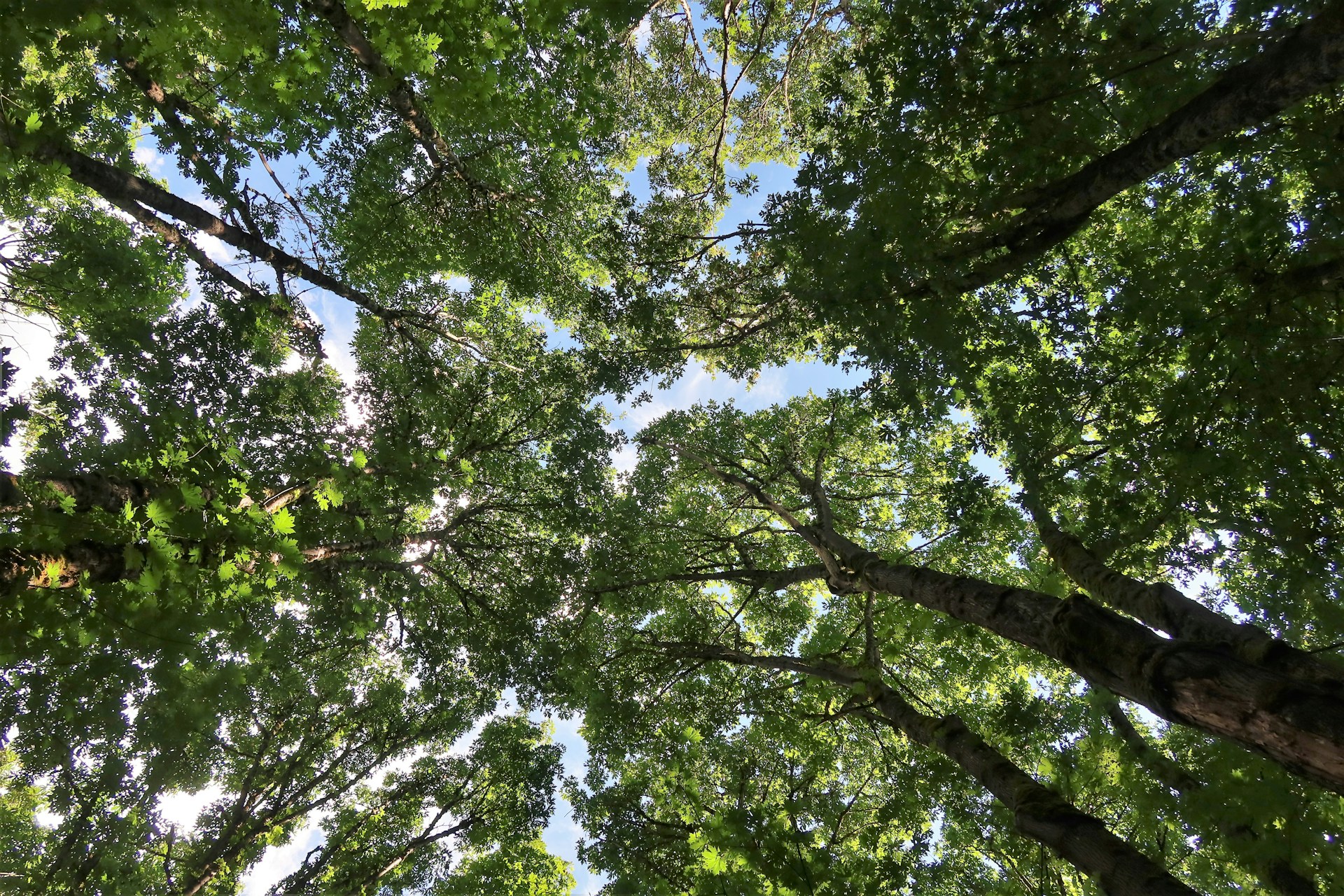
  • What Is Forest Bathing? The Japanese Practice of Shinrin-yoku

    What Is Forest Bathing? The Japanese Practice of Shinrin-yoku

    The phrase forest bathing sounds like it involves water, but there is no swimming required. It is a translation of the Japanese term shinrin-yoku, which simply means taking in the atmosphere of the forest. The practice asks you to walk slowly among trees, with no destination and no agenda, using all of your senses. For anyone who loves the woods and trails of Middle Georgia, it is a gentle way to turn a walk into something closer to a retreat.

    Where the Idea Comes From

    The term was coined in Japan in the early 1980s, when the national forestry agency encouraged people to spend unhurried time in the country’s forests as a form of recreation and respite from city life. It drew on much older traditions of reverence for trees in Shinto and Buddhist culture. Over the following decades, designated forest therapy trails were established in Japan, and the idea spread to Europe and North America, where guides now offer group walks.

    Researchers have taken an interest in time spent in nature, and you may see various claims attached to forest bathing. We will not make any here. Forest bathing is a pleasant, calming experience for many people, and that is reason enough to try it. If you have a health concern, talk with your doctor.

    How It Differs From a Hike

    A hike has a trailhead, a destination and usually a pace. Forest bathing has none of these. You might cover a quarter of a mile in an hour. The point is to notice rather than to arrive. Most practitioners suggest leaving headphones at home, silencing your phone and, if you walk with someone, agreeing to be quiet for stretches.

    A Simple Way to Begin

    • Choose a wooded place you can reach easily. A city park with mature trees works as well as a state forest.
    • At the entrance, stop. Take a few slow breaths and let your shoulders drop.
    • Walk slowly, slower than feels natural. Pause often.
    • Move through your senses one at a time. Spend a few minutes just listening, then just looking, then noticing smells, then the feel of air and bark and ground.
    • Find a spot to sit for ten or fifteen minutes. Watch what changes around you when you are still.
    • Before you leave, pause again at the edge of the trees and notice how you feel compared with when you arrived.

    Twenty minutes is a fine start. Two hours is lovely if you have them.

    Sensory Prompts to Try

    If slowing down feels awkward at first, a prompt can help. Look for the smallest living thing you can find. Count how many different bird sounds you can pick out. Touch three kinds of bark and compare them. Find where the light is moving on the forest floor. Smell a handful of pine needles or the air after rain. The prompts give the restless part of your mind a job while the rest of you settles.

    Practical Notes for Georgia Woods

    Spring forests here are beautiful but busy. Wear closed shoes and long pants, check for ticks when you get home, and give snakes room if you see one. On high-pollen days, you may prefer a walk after rain. Bring water, let someone know where you are going, and stick to marked trails in unfamiliar places. The forest asks for very little in return for its quiet, and a little preparation lets you give it your full attention.

  • Facial Steaming at Home: What It Is and How to Do It Gently

    Facial Steaming at Home: What It Is and How to Do It Gently

    Facial steaming is one of the oldest and simplest spa rituals, and it needs nothing more than a bowl of hot water and a towel. The warm, damp air feels soothing, softens the surface of the skin and makes the whole routine of cleansing feel more deliberate. Done gently, it is a pleasant addition to a self-care evening. Done carelessly, it can leave skin red and irritated, so a little know-how matters. This is general information; if you have rosacea, very sensitive skin, a skin condition or breathing concerns, ask your dermatologist or doctor before steaming.

    What Steam Actually Does

    Steam does not open pores, which have no muscles and cannot open or close. What warm, moist air does do is soften the outer layer of skin and loosen the oil and debris sitting on the surface, which can make cleansing feel more thorough. It also brings a flush of warmth to the face, which many people find relaxing. Think of it as a comfort ritual rather than a treatment.

    A Simple Method

    • Cleanse your face first so you are not steaming makeup into your skin.
    • Boil water and pour it into a heatproof bowl set on a stable table. Let it cool for a minute or two; it should be steaming, not boiling.
    • Sit comfortably and hold your face eight to twelve inches above the bowl. Closer is not better.
    • Drape a towel over your head and the bowl to trap the steam if you like, leaving a gap for fresh air.
    • Stay for five minutes or less. If your skin feels hot or uncomfortable, stop.
    • Pat your face with a soft towel, then apply moisturizer while skin is still damp.

    Once a week is plenty for most people. Daily steaming is more than most skin wants.

    Adding Scent

    A few fresh herbs in the bowl, such as a sprig of rosemary or a handful of mint, make steaming feel more like a ritual. Dried chamomile flowers or a green tea bag are other gentle options. If you want to use essential oils, be cautious: steam carries scent strongly, and a single drop in a large bowl is enough. Skip oils entirely if you are pregnant, have asthma or are sensitive to scent, and never use essential oils in a steam for young children.

    Who Should Skip It

    Steaming is not for everyone. People with rosacea or skin that flushes easily often find heat makes redness worse. Those with very dry or eczema-prone skin may feel tighter afterward. Anyone with a sunburn, recent facial procedures or broken skin should wait. If you are unsure, ask a dermatologist or esthetician.

    Countertop facial steamers produce a fine, steady mist and are easier to control than a bowl. If you use one, follow the manufacturer’s instructions on distance and duration, use distilled water if the maker recommends it, and clean the unit regularly so it does not grow mildew. Never add essential oils to a steamer unless the instructions say it is designed for them.

    Making It a Ritual

    Steaming works best as the center of a quiet half hour. Dim the lights, put on soft music and set out your cleanser, towel and moisturizer before you start. Breathe slowly while you sit over the bowl; the warm air invites long, easy breaths. When you finish, take your time with the rest of your routine. The point is less about your skin than about the pause itself, which is a rare and welcome thing in a busy week.

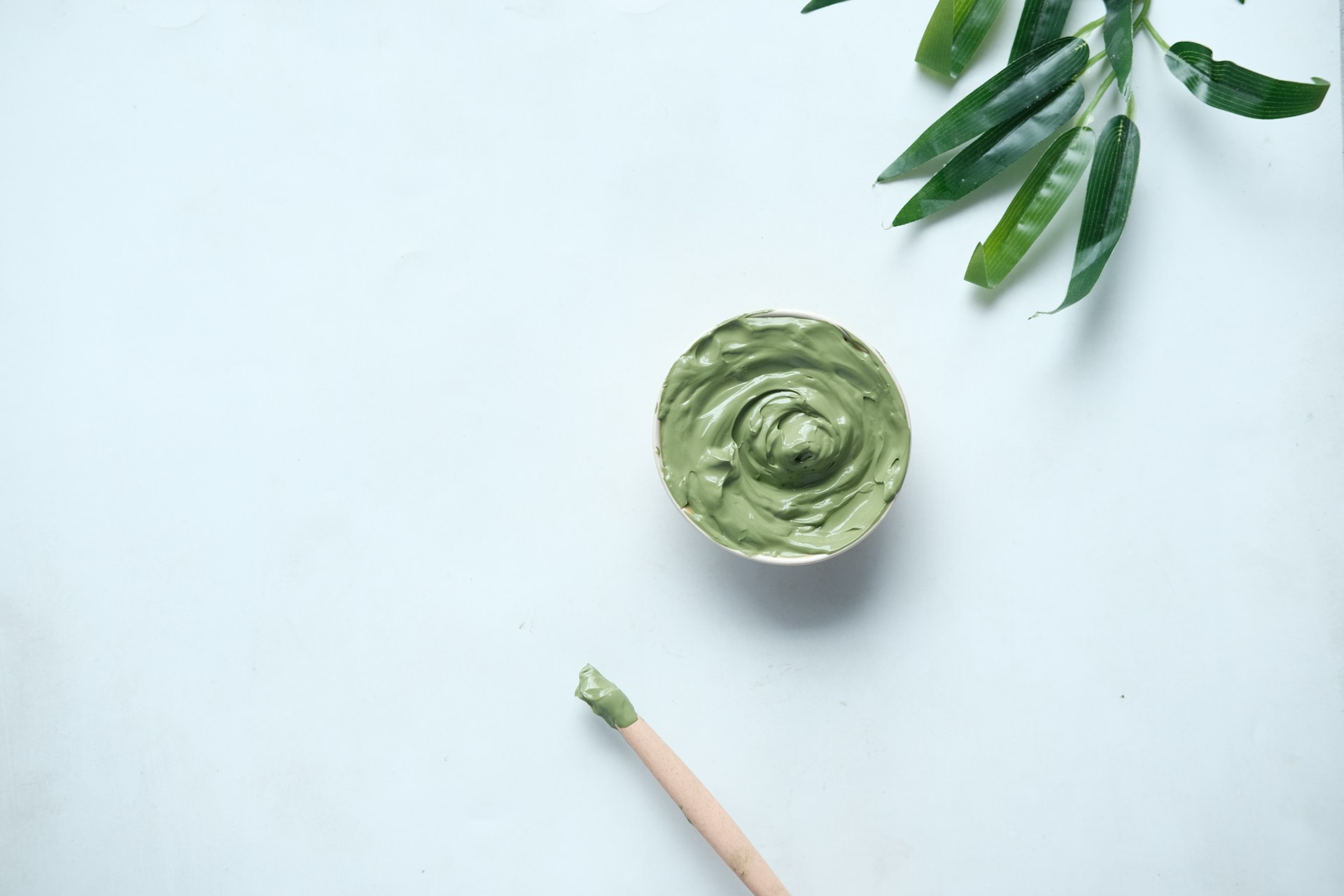
  • Sheet Masks, Clay Masks and Cream Masks: Choosing the Right Kind of Mask

    Sheet Masks, Clay Masks and Cream Masks: Choosing the Right Kind of Mask

    Face masks have become one of the most popular corners of skincare. There are clay masks, sheet masks, cream masks, gel masks, peel-off masks and overnight masks, each promising something slightly different. It can be hard to know which, if any, belongs in your routine. The good news is that masks are optional extras, and the main differences between them come down to texture and how they feel. This is general skincare information; for a skin condition, see a dermatologist.

    Clay and Mud Masks

    Clay masks are made from mineral-rich earth such as kaolin or bentonite, mixed into a paste. They dry on the skin and absorb surface oil, which is why they are usually suggested for oily or combination skin. The sensation of a clay mask tightening is familiar to most people.

    A common mistake is leaving a clay mask on until it cracks. Many estheticians suggest rinsing while the mask is still slightly damp, which keeps the experience from feeling harsh. Applying clay only to the T-zone and a cream mask on the cheeks is a popular approach for combination skin.

    Sheet Masks

    Sheet masks are thin fabric or hydrogel sheets soaked in a watery serum, cut to fit the face. They became popular through Korean beauty routines and are now sold everywhere. The sheet keeps the liquid against the skin for fifteen or twenty minutes, and the sensation is cool and refreshing. Most are built around humectants such as glycerin or hyaluronic acid, so skin usually feels soft and dewy afterward.

    Sheet masks are single-use, which makes them convenient for travel and less tidy for the environment. Some brands offer reusable silicone covers to wear over a homemade compress instead.

    Cream and Gel Masks

    Cream masks are essentially thick moisturizers meant to be left on for a while and either rinsed off or massaged in. They tend to suit dry skin and feel comforting on a cool evening. Gel masks are lighter and cooler, often stored in the refrigerator for an extra refreshing feel. Both are gentle options for most skin types.

    Peel-Off and Overnight Masks

    Peel-off masks dry into a film that you pull away. Many people enjoy the satisfaction, but the peeling can tug at skin and fine hairs, and some formulas feel irritating. Use a light hand or skip them if your skin is sensitive. Overnight masks, sometimes called sleeping masks, are rich creams or gels applied as the last step before bed and washed off in the morning. They are the simplest kind: apply, sleep, rinse.

    A Few Sensible Habits

    • Patch test a new mask on your inner arm or jawline before covering your whole face.
    • Apply to clean, dry skin, and keep the product away from your eyes.
    • Follow the time on the label. Longer is not better.
    • Once a week is plenty for most masks; some people use a hydrating mask more often and a clay mask less.
    • Wash your hands before applying, and use a clean spatula or brush rather than fingers in a shared jar.

    Do you need a mask at all? Honestly, no. A cleanser, moisturizer and sunscreen do the essential work. Masks are a pleasure: twenty minutes of lying still with something cool on your face is a reason in itself. Choose the texture that sounds most comfortable for your skin, make a cup of tea and treat the mask as a small ritual rather than a chore. If a product stings, burns or leaves your skin red, rinse it off and set it aside.

  • Washing Your Face Well: The Everyday Basics Most of Us Skip

    Washing Your Face Well: The Everyday Basics Most of Us Skip

    Cleansing is the most basic step in skincare, and the one most people do on autopilot. A splash in the shower, a quick rub with whatever soap is nearby, a towel across the face. It works well enough, but a few small adjustments can make the difference between skin that feels tight and skin that feels comfortable. This is general information; if you have a skin condition, follow the advice of your dermatologist.

    Start With Clean Hands

    It sounds obvious, yet it is easy to skip. Wash your hands first so that you are not transferring the day’s grime onto your face. If you wear makeup or sunscreen, a cleanser alone may struggle to remove it. Many people use a gentle makeup remover, cleansing balm or oil first, then follow with their regular cleanser. This two-step approach is often called double cleansing.

    Mind the Water Temperature

    Hot water feels wonderful on a cool morning, but it can leave skin feeling stripped and tight. Lukewarm water is generally more comfortable for most people. Very cold water does not shrink pores, despite the popular belief, though a cool splash at the end can feel refreshing.

    Use Your Fingertips, Not Force

    Scrubbing does not clean better. Apply a small amount of cleanser to damp skin and massage it in gentle circles with your fingertips for thirty seconds to a minute. Pay a little attention to the areas that are easy to miss: along the hairline, under the jaw, around the nose and just below the lower lip. Then rinse thoroughly. Leftover cleanser can leave a filmy feeling.

    Washcloths and cleansing brushes are optional. If you like them, keep them clean and use a light touch. A washcloth that sits damp in the shower for a week is not doing your skin any favors.

    Choosing a Cleanser

    The best cleanser is one that leaves your skin feeling clean but not tight. In general:

    • Cream and milk cleansers are gentle and suit drier skin.
    • Gel cleansers feel fresh and suit combination or oily skin.
    • Foaming cleansers remove oil efficiently but can feel drying for some people.
    • Micellar water is a convenient option for light days or travel.

    Bar soap made for the body is often harsher than a facial cleanser, though gentle facial bars exist. If your skin feels squeaky after washing, your cleanser is probably too strong for you.

    Pat, Do Not Rub

    Use a clean, soft towel and pat your face rather than rubbing. Leave the skin slightly damp, then apply your moisturizer within a minute or so. Moisturizer applied to damp skin tends to feel more comfortable than moisturizer applied to fully dry skin. Change your face towel every few days.

    For most people, cleansing twice a day, morning and evening, is plenty. The evening wash is the more important one, since it removes sunscreen, makeup, pollen and the day’s accumulation. If your skin is dry or sensitive, a simple rinse with water in the morning may be enough, followed by moisturizer and sunscreen. After a sweaty workout or a long afternoon of yard work during pollen season, an extra gentle wash is reasonable.

    Washing your face well takes about two minutes and asks for nothing more than attention. Done slowly, it can even become a small moment of calm at the beginning and end of each day.

  • Macon’s Cherry Blossoms: The Story of the Yoshino Trees and a Mindful Way to See Them

    Macon’s Cherry Blossoms: The Story of the Yoshino Trees and a Mindful Way to See Them

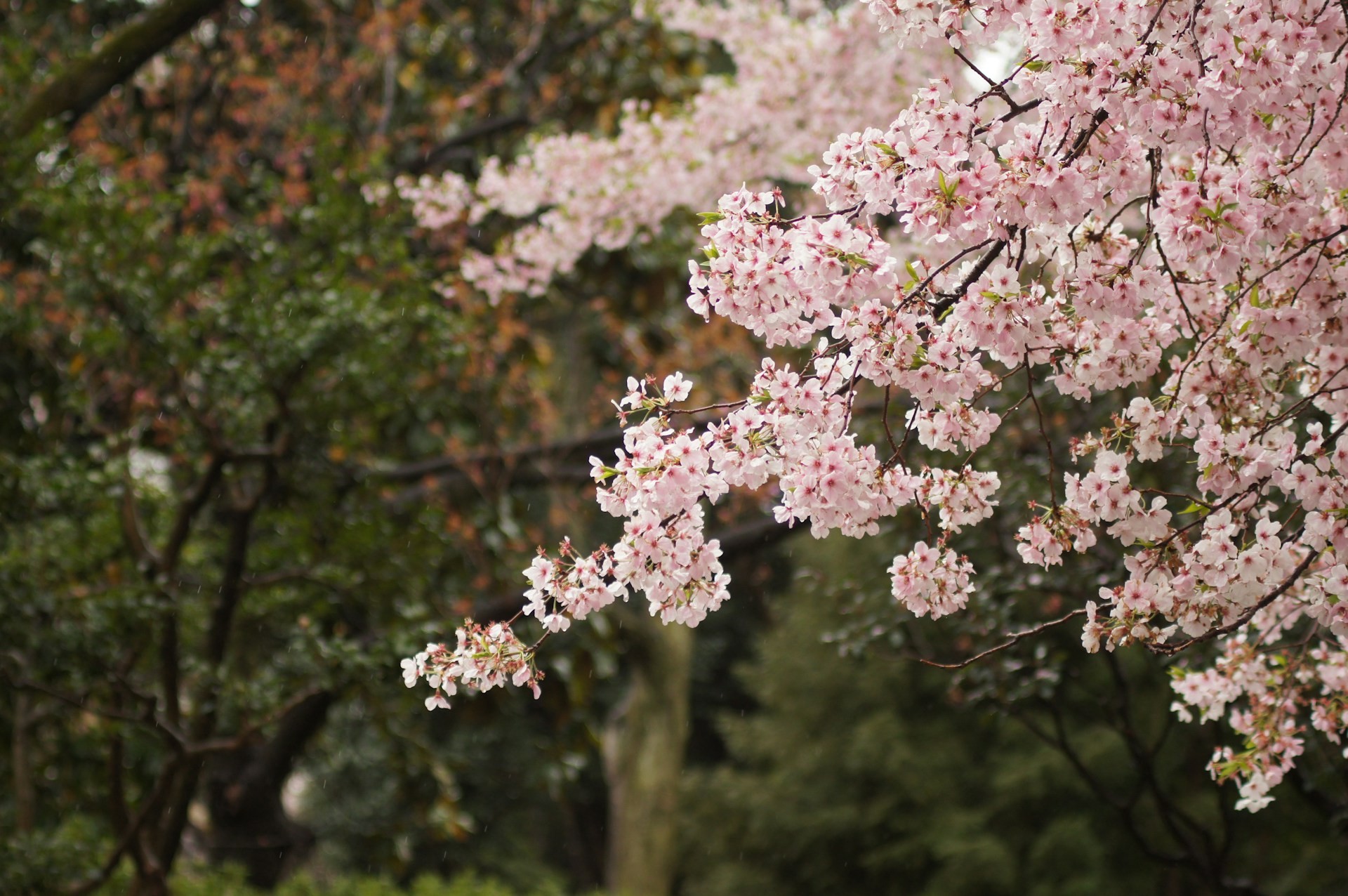
    Each March, Macon turns pink. Yoshino cherry trees bloom along streets, in parks and in front yards across the city, and for a week or two the whole town seems to slow down and look up. The display is one of the great pleasures of living in Middle Georgia, and it has a story worth knowing.

    How the Trees Came to Macon

    The Yoshino cherry is a Japanese variety known for clouds of pale pink blossoms that appear before the leaves. Macon’s association with the tree began in the middle of the twentieth century, when a local realtor named William A. Fickling Sr. noticed an unfamiliar flowering tree in his yard. He later recognized the same tree during a visit to Washington, D.C., where Yoshino cherries had been planted along the Tidal Basin, and identified his as the same variety.

    Fickling learned to propagate the trees and began giving them away. Over the following decades, he and his family donated enormous numbers of saplings to neighbors, schools and civic groups. Community volunteers, in particular a resident named Carolyn Crayton, organized plantings and in the early 1980s founded the International Cherry Blossom Festival to celebrate the bloom. The city has since called itself the Cherry Blossom Capital of the World.

    Festival dates, events and routes change from year to year, so check the festival’s official website for current information before planning a visit.

    When and Where to Look

    Bloom timing depends on the weather. A warm February can bring flowers in early March, while a cool one pushes them later. The full show usually lasts about a week, with petals drifting down for several days afterward. Many neighborhoods have their own displays, and gift trees from the Fickling family can still be found around the city. Local parks and the roadsides of older residential areas are reliable places to start.

    A Mindful Way to Walk Under the Blossoms

    In Japan, the practice of gathering beneath cherry trees is called hanami, or flower viewing, and it has been part of spring for more than a thousand years. The point is not to photograph the flowers and move on but to sit with them. You can borrow the spirit of hanami on any Macon street.

    • Leave your phone in your pocket for the first ten minutes.
    • Stand under a single tree and look up. Notice the layers of blossoms against the sky.
    • Listen. Bees are usually working the flowers, and there is a faint hum beneath the street noise.
    • Breathe in. Yoshino blossoms have a light, faintly almond-like scent that many people miss entirely.
    • Pick one branch and watch it for a full minute. See how it moves in the breeze.

    If you can, bring a blanket and a thermos and sit for a while. A short picnic under the trees is one of the simplest and loveliest things you can do in March.

    The Lesson of a Short Bloom

    Part of what makes cherry blossoms beloved in Japan is that they do not last. The Japanese phrase mono no aware describes the gentle, bittersweet awareness that beautiful things pass. Macon’s bloom is the same. A single storm can bring the petals down overnight.

    That brevity is a quiet lesson in attention. The blossoms ask you to notice them now, not next week. Spend an afternoon among them, let the petals land in your hair, and carry that habit of noticing into the rest of the spring.

  • Keeping Your Home Fresh During Pollen Season: Everyday Housekeeping Habits

    Keeping Your Home Fresh During Pollen Season: Everyday Housekeeping Habits

    During a Middle Georgia spring, pollen finds its way indoors on shoes, clothes, pets and the breeze through an open door. It settles on windowsills and coffee tables and turns dust cloths yellow. Keeping the house feeling fresh through the peak weeks is mostly a matter of a few steady habits rather than deep cleaning. This is general housekeeping information; if anyone in your home has allergies or breathing concerns, talk with a doctor about what matters most for them.

    Stop It at the Door

    The simplest step is to keep as much pollen as possible from coming in at all.

    • Place a sturdy mat outside and a washable mat inside each entrance.
    • Make the entryway a shoes-off zone with a basket or bench nearby.
    • Hang a lightweight jacket by the door to wear for yard work so your everyday clothes stay cleaner.
    • Keep a damp cloth or pet wipes near the door for dogs and cats who go outside.

    Windows, Doors and Air

    Spring air is lovely, and it is hard to resist throwing the windows open. On the heaviest pollen days, especially dry, windy mornings, it helps to keep them closed and save fresh-air hours for the evening or the day after a rain. If you use central air, check the filter at the start of the season. Many manufacturers suggest changing filters more often during high-use periods; follow the instructions for your system. Window screens can be rinsed with a hose, since they collect a visible film.

    A Light Daily Pass

    Rather than one exhausting cleaning day, aim for a quick pass through the rooms you use most:

    • Wipe flat surfaces with a damp microfiber cloth. Dry dusting tends to push pollen into the air, while damp cloths pick it up.
    • Vacuum high-traffic floors every day or two during peak weeks. A vacuum with a good filter holds onto fine dust better.
    • Shake out and wash entry mats weekly.
    • Run a damp mop over hard floors near doors.

    Ten minutes a day is usually enough to keep things feeling clean, and the routine itself can be oddly calming when done with a little music on.

    Laundry and Linens

    Clothes worn outdoors carry pollen into closets and onto furniture. Keep a hamper near the door or in the bathroom so changing is easy. During the peak weeks, consider drying laundry indoors or in a machine rather than on an outdoor line, where sheets and towels become pollen collectors. Wash bedding, especially pillowcases, a little more often than usual. Curtains in the rooms you use most can go through a gentle cycle once the worst of the season has passed.

    Cars and Porches

    Pollen is most visible on cars and outdoor furniture. A regular rinse keeps it from building into a thick layer. For a porch or patio you want to use, a quick hose-down and a wipe of the chairs before sitting makes the space far more pleasant. Store cushions in a bin or indoors during the heaviest weeks.

    The yellow season is short, usually a few weeks, and it ends with some of the most beautiful days of the year. A few habits at the door, a damp cloth and a well-timed open window are all it takes to keep the house feeling like a calm place to come home to.