Healing Starts Within

💌 Discover our wellness rituals designed to reduce stress and revitalize.

Book Now · Call (478) 303-6936

Reserve your personalized wellness session today and take the first step toward deep healing.

Welcome to Lotus Natural Wellness

With Sonya Gordon

  • Single-Tasking: The Quiet Art of Doing One Thing at a Time

    Single-Tasking: The Quiet Art of Doing One Thing at a Time

    Multitasking has a good reputation and a poor track record. Most of what we call multitasking is actually rapid switching between tasks, and each switch costs a little attention, a little time and a little calm. Single-tasking is the opposite habit: doing one thing, from start to finish, with your whole attention. It is not a productivity trick so much as a way of being present in your own day, and it is one of the most practical forms of mindfulness there is.

    Why Switching Is Tiring

    Every time you jump from an email to a text to a spreadsheet and back, your mind has to drop one set of details and pick up another. Researchers who study attention describe this as a switching cost. It is small each time, but it adds up over a day of dozens or hundreds of switches, and it is part of why an afternoon of scattered work can leave you exhausted without much to show for it. There is also a quieter cost: when attention is always partly elsewhere, nothing gets fully experienced, including the pleasant parts.

    What Single-Tasking Looks Like

    It is less about heroic focus than about small decisions:

    • Eating lunch without a screen.
    • Writing the report with email closed, then checking email as its own task.
    • Having a conversation with your phone in another room.
    • Washing the dishes and only washing the dishes.
    • Listening to a whole song, or a whole album, without doing anything else.

    None of these is difficult. What is difficult is remembering to choose them when the habit of splitting attention is so strong.

    A Simple Way to Start

    Pick one activity a day to do with full attention. Make it something short and pleasant at first, such as your morning coffee or the walk from the car to the door. Before you begin, take one breath and say to yourself what you are about to do. Then do it. When your mind pulls toward the next thing, notice the pull and return. When you finish, pause for a second before starting the next task.

    After a week or two, add a second activity, perhaps one piece of work that benefits from focus. Set a timer for twenty-five minutes, close everything unrelated and work until it rings. Then take a real break, away from the desk, before deciding what comes next.

    Handling Interruptions

    Single-tasking does not mean ignoring the world. It means handling interruptions as their own tasks rather than letting them fragment everything. Keep a notepad beside you. When a thought or a to-do intrudes, write it down and go back to what you were doing. The note holds it for later. Turn off nonessential notifications so that your phone interrupts you only when a person actually needs you, and let people know when you will be back if you step away from messages for an hour.

    The Pleasure of One Thing

    The unexpected reward of single-tasking is not efficiency, though that often comes. It is that ordinary activities become more enjoyable. Coffee tastes like coffee. A walk becomes a walk rather than a mobile meeting. Conversations deepen. Even chores take on a steadier, almost restful quality when they are not competing with three other things.

    Spring is a fine season to practice. The world is offering plenty worth noticing: blossoms, birds, longer evenings. Each is easier to see when you are only doing one thing at a time.

  • Progressive Muscle Relaxation: A Step-by-Step Guide

    Progressive Muscle Relaxation: A Step-by-Step Guide

    Progressive muscle relaxation is one of the oldest formal relaxation techniques and one of the simplest. You tense a group of muscles, hold briefly, and let go, moving through the body from one end to the other. The contrast between tension and release makes it easier to notice where you hold stress and what it feels like to let it soften. Many people use it at bedtime or during a long afternoon. It is a relaxation practice, not a treatment, and if you have an injury, chronic pain or a muscle condition, check with your doctor before trying it.

    Where It Comes From

    The technique was developed in the 1920s and 1930s by Edmund Jacobson, an American physician who studied the relationship between muscle tension and the feeling of being on edge. His original method was long and detailed. Over the decades it was shortened into the version most people learn today, which takes ten to twenty minutes and covers the major muscle groups in a set order.

    Getting Ready

    Find a quiet place where you can lie down or sit in a supportive chair. Loosen tight clothing, take off your shoes and let your arms rest at your sides. Close your eyes if that feels comfortable. Take three slow breaths, letting each exhale be a little longer than the inhale.

    Throughout the practice, tense each muscle group firmly but not painfully, hold for about five seconds, then release all at once and rest for ten or fifteen seconds before moving on. Breathe in as you tense and out as you release.

    The Sequence

    • Feet: curl your toes downward, then release.
    • Calves: point your toes toward your face so the calves tighten, then release.
    • Thighs: press your knees together or push your heels into the floor, then release.
    • Hips: squeeze, then release.
    • Stomach: tighten as if bracing, then release.
    • Chest: take a deep breath, hold it, then let it out slowly.
    • Hands: make fists, then release and let the fingers go loose.
    • Arms: bend your wrists back, then flex your upper arms, releasing after each.
    • Shoulders: raise them toward your ears, then let them drop.
    • Neck: press your head gently back into the surface behind you, then release.
    • Face: raise your eyebrows, then squeeze your eyes shut, then clench your jaw, releasing after each. Finish by letting your whole face go slack.

    When you reach the top, lie still for a minute or two. Scan the body from feet to head and notice any area that still feels tight. Give it one more gentle tense-and-release, or simply breathe into it.

    Tips for a Better Practice

    Tense less than you think you need to. The goal is noticing, not straining. Skip any area that hurts. If a guided recording helps you keep the rhythm, there are many free ones; choose a voice you find pleasant. Practicing at the same time each day, such as right before bed, helps the routine become familiar, and familiarity is what makes it work as a wind-down.

    A Shorter Version

    Once you know the sequence, you can compress it. Tense the whole lower body at once, then the torso, then the arms, then the face and neck. Four cycles take about three minutes and can be done sitting at a desk or in a parked car. Some people do a single whole-body tense-and-release, squeezing everything for five seconds and letting go, as a quick reset in a stressful moment.

    Progressive muscle relaxation asks nothing but a few minutes and a little attention. The payoff is a clearer sense of what tension feels like in your own body, and a reliable way to invite it to leave.

  • How to Take a Good Nap: Timing, Length and Setting

    How to Take a Good Nap: Timing, Length and Setting

    Napping has a mixed reputation. Some people see it as a luxury for children and retirees; others swear by a quick afternoon rest. The truth is that a nap can be either refreshing or counterproductive, and the difference comes down to timing, length and how you set it up. Here is a plain guide to napping well. This is general information; if you feel sleepy every day despite a full night’s rest, mention it to your doctor.

    Why the Afternoon Dip Happens

    Most people feel a drop in alertness in the early afternoon, often between about one and three o’clock. It is not only about lunch. The body’s daily rhythm has a natural low point then, which is why so many cultures developed a tradition of resting after the midday meal, from the Spanish siesta to the Italian riposo. A short nap in that window works with your rhythm rather than against it.

    How Long

    Length matters more than anything else:

    • Ten to twenty minutes is the sweet spot for most people. You stay in lighter stages of sleep and tend to wake feeling refreshed rather than groggy.
    • Thirty to sixty minutes often lands you in deeper sleep, and waking from it can bring a heavy, foggy feeling called sleep inertia that takes a while to shake.
    • Around ninety minutes allows a full sleep cycle, which some people find restorative on a day off, but it is a serious commitment and can cut into nighttime sleep.

    Set an alarm. Naps that drift are the ones that leave you feeling worse.

    Early afternoon is the ideal time. Napping after about three or four o’clock makes it harder to fall asleep that night for many people. If you are trying to improve your nighttime sleep, it is often better to skip naps entirely for a while so that you arrive at bedtime genuinely tired.

    Setting the Scene

    A good nap needs less than a good night’s sleep, but a few things help:

    • Lie down if you can. A sofa, a bed or a reclined chair all work. Napping upright at a desk is possible but less restful.
    • Dim the room or use an eye mask. Light makes it harder to drop off quickly.
    • Cover up with a light blanket. Body temperature dips a little as you rest.
    • Put your phone face down and out of reach after setting the alarm.
    • Try a familiar cue, such as the same quiet playlist or a particular scent, so your body learns that nap time has begun.

    The Coffee Nap

    One popular trick is to drink a cup of coffee right before a twenty-minute nap. Caffeine takes a little while to take effect, so it kicks in around the time you wake up. Plenty of people find this leaves them sharper than either coffee or a nap alone. It is best done well before mid-afternoon so the caffeine does not linger into the evening.

    If You Cannot Fall Asleep

    Not everyone can nap, and that is fine. Lying quietly with your eyes closed for fifteen minutes, breathing slowly, still offers real rest. Some people prefer a short body scan or a guided relaxation recording instead of trying to sleep. The goal is a pause in the day, not necessarily unconsciousness.

    There is a lingering idea that resting during the day is lazy. It is not. A twenty-minute nap on a slow Sunday afternoon in spring, with the window cracked and the sound of birds outside, is one of life’s small, honest pleasures. Taken wisely, it gives you back the rest of the day.

  • Eight Common Sleep Myths, Gently Corrected

    Eight Common Sleep Myths, Gently Corrected

    Sleep is one of those subjects where everyone has advice, and much of it is wrong. Old sayings, half-remembered articles and the habits of busy people combine into a body of folk wisdom that does not hold up well. Here are eight common beliefs about sleep and what is generally understood instead. This is general information drawn from widely shared sleep guidance, not medical advice. If you have ongoing trouble sleeping, snore heavily or feel exhausted despite enough hours in bed, talk with your doctor.

    Myths About How Much

    Myth: Everyone needs exactly eight hours. The eight-hour figure is a convenient average, not a rule. Most adults fall into a range of roughly seven to nine hours, and the right amount for you is the one that leaves you alert through the day without relying on caffeine. Some people genuinely need a little more or a little less.

    Myth: Older adults need much less sleep. Sleep patterns do change with age. Older adults often wake earlier and sleep more lightly, but the total need does not drop as sharply as people assume. Feeling constantly tired is not a normal part of getting older and is worth mentioning to a doctor.

    Myth: You can catch up on the weekend. Sleeping in on Saturday feels wonderful, and it does repay a little of the week’s debt. But swinging between short weeknights and long weekend mornings tends to confuse your internal clock, which can make Monday harder. A steadier schedule across the whole week is generally more restful than a weekly binge.

    Myths About Falling Asleep

    Myth: A drink before bed helps you sleep. Alcohol can make you drowsy, so it seems to help. It also tends to fragment sleep later in the night and leave you waking early. Many people who cut out a nightly drink are surprised at how much more rested they feel.

    Myth: If you cannot sleep, stay in bed and try harder. Lying awake watching the clock teaches your mind that bed is a place for frustration. Many sleep guides suggest the opposite: if you have been awake for what feels like twenty minutes or more, get up, sit somewhere dim and do something quiet until you feel sleepy, then return.

    Myth: Falling asleep instantly means you are a great sleeper. Dropping off the moment your head hits the pillow often means you are very short on sleep. Taking ten to twenty minutes to drift off is more typical for someone who is well rested.

    Myths About the Bedroom

    Myth: The television helps you fall asleep. Background noise and flickering light are stimulating even when they feel soothing. Falling asleep to the TV usually means lighter sleep and more wakings when the program changes or the volume shifts. Soft audio with the screen off is a gentler alternative if silence feels too stark.

    Myth: A warm bedroom is cozier for sleep. Most people sleep better in a room that is slightly cool. Body temperature drops as you fall asleep, and a cool room supports that. A warm bath before bed can help, because the drop in temperature afterward mimics the natural signal for sleep.

    What Generally Helps

    • Keep a steady wake time, including weekends, as much as you can.
    • Get bright light in the morning and dim light in the evening.
    • Finish caffeine by early afternoon.
    • Build a short, repeatable wind-down routine.
    • Keep the bedroom dark, quiet and cool.

    None of this is complicated, which is part of why it gets ignored. The myths persist because they are convenient. The truths are simpler and, for most people, kinder.

  • Spring Journaling Prompts for Renewal and Letting Go

    Spring Journaling Prompts for Renewal and Letting Go

    Journaling in spring has a different flavor than journaling in winter. The reflective, inward mood of January gives way to something lighter and more forward-looking. Windows open, gardens wake up and the year still feels young. If you keep a notebook, or would like to start, the following prompts are built around the season’s two great themes: renewal and letting go. Take one a day, or a few a week, and write for ten minutes without worrying about the result.

    How to Use These Prompts

    There are no rules, but a few habits make journaling easier to keep:

    • Write by hand if you can. It is slower, and slower is the point.
    • Set a timer for ten minutes and keep the pen moving even if you write about having nothing to say.
    • Do not reread as you go, and do not edit.
    • Pair the practice with something pleasant: a cup of tea on the porch, a few minutes in the garden first.

    If writing stirs up difficult feelings that do not settle, consider talking with a counselor. Journaling is a companion to care, not a replacement for it.

    Prompts for Letting Go

    • What did I carry through the winter that I no longer need to carry?
    • Which habit has quietly stopped serving me, and what would it feel like to set it down?
    • Name one worry that has been taking up space. Is it mine to solve this week? If not, where could it rest?
    • What is one belief about myself that was true once but may not be true now?
    • If I cleared one shelf in my mind the way I clear a shelf in spring cleaning, what would go in the donation box?
    • What apology, to myself or someone else, have I been postponing?

    Prompts for Renewal

    • What does the word fresh mean to me this year?
    • Describe a morning this spring that would feel like a gift. Where am I, and what do I notice?
    • What is something I used to love doing that I have not done in a long time? What would it take to do it once this month?
    • Who do I want to spend more time with as the days get longer?
    • What small thing could I plant, literally or figuratively, that would be worth tending all summer?
    • Which part of my daily routine feels most alive right now, and how could I give it a little more room?

    Prompts for Noticing

    Spring is also a season for paying attention. These prompts ask you to look outward:

    • What is blooming within a hundred yards of my front door? Go and check, then write about it.
    • Describe the sounds of a spring morning in as much detail as possible.
    • What smell says spring to me, and what memory does it carry?
    • What is one thing I saw today that I would have missed in a hurry?

    A Gentle Review at Month’s End

    On the last day of March or April, read back over the month’s pages. Do not judge the writing. Look for patterns: a worry that showed up again and again, a wish that kept surfacing, a small joy you had forgotten. Write one short paragraph summarizing what you noticed and one sentence about what you would like to carry into the next month.

    A spring journal does not need to be profound. It is a place to set things down and to catch the season as it goes by. By summer, you will have a record of a few quiet weeks when everything was starting over, including, in small ways, you.

  • How Scent and Memory Connect: Why a Smell Can Carry You Back in Time

    How Scent and Memory Connect: Why a Smell Can Carry You Back in Time

    Almost everyone has had the experience. A whiff of a certain soap, sunscreen or wood smoke, and suddenly you are eight years old at your grandmother’s house or standing on a beach you have not visited in twenty years. The memory arrives whole, with feelings attached, before you can even name the smell. This phenomenon is so common that it has a name, the Proust effect, and the reasons behind it say a great deal about why scent matters in self-care.

    The Madeleine

    The name comes from the French novelist Marcel Proust, whose long novel In Search of Lost Time includes a famous scene in which the narrator tastes a small cake called a madeleine dipped in tea. The taste and smell unlock a flood of childhood memories he had thought lost. The scene became so well known that scientists who study smell and memory still refer to Proustian memories: involuntary, vivid and emotionally charged recollections triggered by a scent.

    Why Smell Is Different

    Our other senses take a relatively long route to the parts of the brain involved in emotion and memory. Smell is more direct. Odor molecules reach receptors high in the nose, and signals pass to the olfactory bulb, which sits close to and connects with the brain regions associated with emotion and memory. That short path is widely thought to be part of why a smell can summon a feeling before a thought.

    Scent memories also tend to be older than other memories. Researchers who ask people to describe memories triggered by smells find they often date to early childhood, while memories triggered by words or pictures cluster in the teenage years and early adulthood. The smell of a crayon box or a particular floor cleaner can reach back further than almost anything else.

    Why This Matters for Self-Care

    If scent and feeling are so closely linked, the smells you surround yourself with are not trivial. They become part of the emotional texture of your days. A few ways people use this on purpose:

    • Choosing one scent for an evening wind-down and using it only then, so that the smell itself starts to signal rest.
    • Bringing a familiar scent, such as a small roll-on or a sachet, when traveling, so a hotel room feels a little like home.
    • Pairing a new habit with a new scent, which can help the habit feel distinct and pleasant.
    • Keeping a scent from a happy time, like the sunscreen from a good vacation, for days that need a lift.

    None of this is a treatment, and we make no claims about what scents do. It is simply an observation about how memory works, and a gentle invitation to be deliberate.

    Building Your Own Scent Memory

    You can create associations as well as discover them. Spring is a good time to try, because the season is full of distinctive smells: cut grass, rain on warm pavement, honeysuckle, fresh basil. Pick a scent you encounter often, pause for a few seconds each time you notice it and pay attention to how you feel. Over a season, that smell will begin to carry those moments with it.

    At home, the same works with a candle, a diffuser blend or a particular hand cream. Use it during the good parts of your day, the quiet cup of coffee or the evening walk, rather than during chores. You are quietly teaching your memory what that scent means.

    A Note on Fading

    Scent memories are powerful but not permanent. Smelling something constantly dulls your awareness of it, which is why people stop noticing the smell of their own homes. Rotating scents with the seasons keeps them vivid. Let a favorite rest for a few months, and when it returns, so will everything it carries.

  • Scent Families Explained: Floral, Woody, Herbal, Citrus and Spice

    Scent Families Explained: Floral, Woody, Herbal, Citrus and Spice

    Walk into any shop that sells perfume, candles or essential oils and you will hear the same vocabulary: floral, woody, fresh, herbal, citrus. These are scent families, a way of sorting fragrances by their dominant character. Learning them is a little like learning the basic flavors in cooking. It helps you describe what you like, find new scents you are likely to enjoy and build simple blends that make sense together.

    Where the Families Come From

    Perfumers have grouped scents for centuries, but the modern system most people encounter grew out of the fragrance wheel developed by the perfume writer Michael Edwards in the 1980s. His wheel arranges families in a circle so that neighbors share something in common and opposites contrast. Aromatherapy borrows the same general idea, though the names shift a little from one reference to another. The families below are a practical blend of both worlds.

    The Main Families

    • Floral: rose, jasmine, geranium, ylang-ylang, neroli, lavender. Soft, sweet, sometimes powdery. The largest family and the heart of most perfumes.
    • Citrus: lemon, sweet orange, grapefruit, bergamot, lime. Bright, clean and fleeting. Citrus notes evaporate quickly, which is why they are often the first thing you smell and the first to fade.
    • Herbal: rosemary, basil, clary sage, thyme, marjoram. Green, fresh and a little sharp, like a kitchen garden after rain.
    • Woody: sandalwood, cedarwood, vetiver, pine, cypress. Warm, dry and grounding. Woods linger for hours and anchor a blend.
    • Spice: cinnamon, clove, ginger, cardamom, black pepper. Warm and lively. A little goes a long way, and several spice oils need careful dilution on skin.
    • Resinous: frankincense, myrrh, benzoin. Deep, smoky, slightly sweet, with ancient associations with incense.
    • Minty and camphorous: peppermint, eucalyptus, tea tree. Cool, penetrating and bracing. Often grouped with herbals but distinctive enough to stand alone.
    • Earthy: patchouli, oakmoss, vetiver. Rich and damp, like a forest floor.

    Top, Middle and Base

    Families also connect to how quickly a scent fades. Perfumers speak of top notes, which you smell first and which disappear within minutes to an hour; middle or heart notes, which carry the scent for a few hours; and base notes, which linger longest. Citrus and mint are typical top notes, florals and herbs tend to sit in the middle, and woods, resins and earthy scents form the base. A pleasing blend usually has something from each layer.

    Finding Your Preferences

    Most people lean toward one or two families without realizing it. To find yours, smell a few oils or candles from each family, one at a time, with a pause and a sniff of coffee beans or fresh air in between to clear your nose. Notice your immediate reaction rather than thinking about it. Write down the ones that make you smile.

    Preferences shift with season and mood. Many people reach for citrus and herbal scents in spring and summer, and for woods, resins and spices in cooler months. There is no right answer, and a scent that others love may do nothing for you. That is normal.

    Blending Across Families

    Scents from the same family almost always blend smoothly: lavender and geranium, lemon and grapefruit, cedar and pine. Neighboring families also pair well, such as citrus with herbal or floral with woody. Opposites can be interesting in small amounts; a drop of spice in a citrus blend adds warmth, and a touch of mint lifts a heavy wood. Start with two or three oils in a diffuser, use fewer drops of the strongest one and adjust from there.

    Knowing the families turns scent from a guessing game into a small, pleasant craft. It also makes it easier to tell a practitioner or shop assistant what you enjoy, so that the scents around you are ones you actually chose.

  • A Beginner’s Guide to Hydrosols: The Gentle Side of Distillation

    A Beginner’s Guide to Hydrosols: The Gentle Side of Distillation

    If you have ever used rose water or orange blossom water, you have used a hydrosol. These fragrant waters are the lesser-known partner of essential oils, produced in the same still at the same time, and they offer a gentler, lighter way to enjoy aromatic plants. They have a long history in kitchens and on dressing tables, and they are having a quiet revival among people who find essential oils too strong for everyday use.

    What a Hydrosol Is

    When plant material is steam distilled, hot steam passes through flowers, leaves or bark and carries their aromatic compounds upward. The vapor is cooled, and it condenses into two layers: a thin layer of essential oil, which usually floats on top, and a much larger quantity of water. That water is the hydrosol, sometimes called a hydrolat or distillate. It contains a small amount of the water-loving aromatic compounds from the plant, which gives it a soft scent, often quite different from the oil.

    Rose hydrosol, for example, smells fresh and a little green rather than like the deep, jammy scent of rose absolute. Peppermint hydrosol is cool and clean rather than sharp.

    A Long History

    Distillation of aromatic waters dates back more than a thousand years in the Middle East, where rose water became a staple of cooking, hospitality and religious ceremony. It was sprinkled on guests, stirred into sweets and used to wash hands. Orange blossom water followed a similar path across the Mediterranean, and both remain common ingredients in pastries, syrups and drinks. In Europe, flower waters were dressing-table staples for centuries before modern cosmetics arrived.

    Hydrosol or Floral Water?

    Not everything labeled floral water is a hydrosol. Some products are simply water mixed with a few drops of essential oil and a solubilizer, which is a different thing with a stronger scent. A true hydrosol will typically say steam distilled or distillate on the label and list a single plant. Price can be a clue as well, since large quantities of plant material go into a small bottle.

    Ways People Enjoy Them

    • As a light facial mist after cleansing or on a warm afternoon. Keep it away from the eyes.
    • Spritzed on a pillowcase or in a stuffy room for a gentle freshening.
    • Added to a bowl of cool water for a compress on the forehead or the back of the neck.
    • In the kitchen, where food-grade rose or orange blossom water flavors syrups, rice puddings and lemonade. Only use products sold for culinary use.

    Hydrosols are enjoyed for their scent and the pleasant feeling of a cool mist. We make no claims about them beyond that. If you have a skin condition or allergies, check with your doctor or dermatologist before adding any new product, and patch test on your inner arm first.

    Storing Them Well

    Hydrosols are mostly water, so unlike essential oils they can spoil. Most keep best in the refrigerator and are used within several months to a year of opening. Look for cloudiness, floating particles or a sour or off smell, and discard the bottle if you notice any. Buy small quantities, keep the cap tight and avoid dipping fingers into the bottle. A spray top is the most practical and keeps the water clean.

    For anyone curious about aromatherapy who finds essential oils too intense, hydrosols are a kind introduction. A mist of rose or lavender water on a spring morning is a small, cooling pleasure, and the scent fades quickly enough to leave you wanting the next one.

  • Jasmine: The Night-Blooming Flower With a Long Fragrant History

    Jasmine: The Night-Blooming Flower With a Long Fragrant History

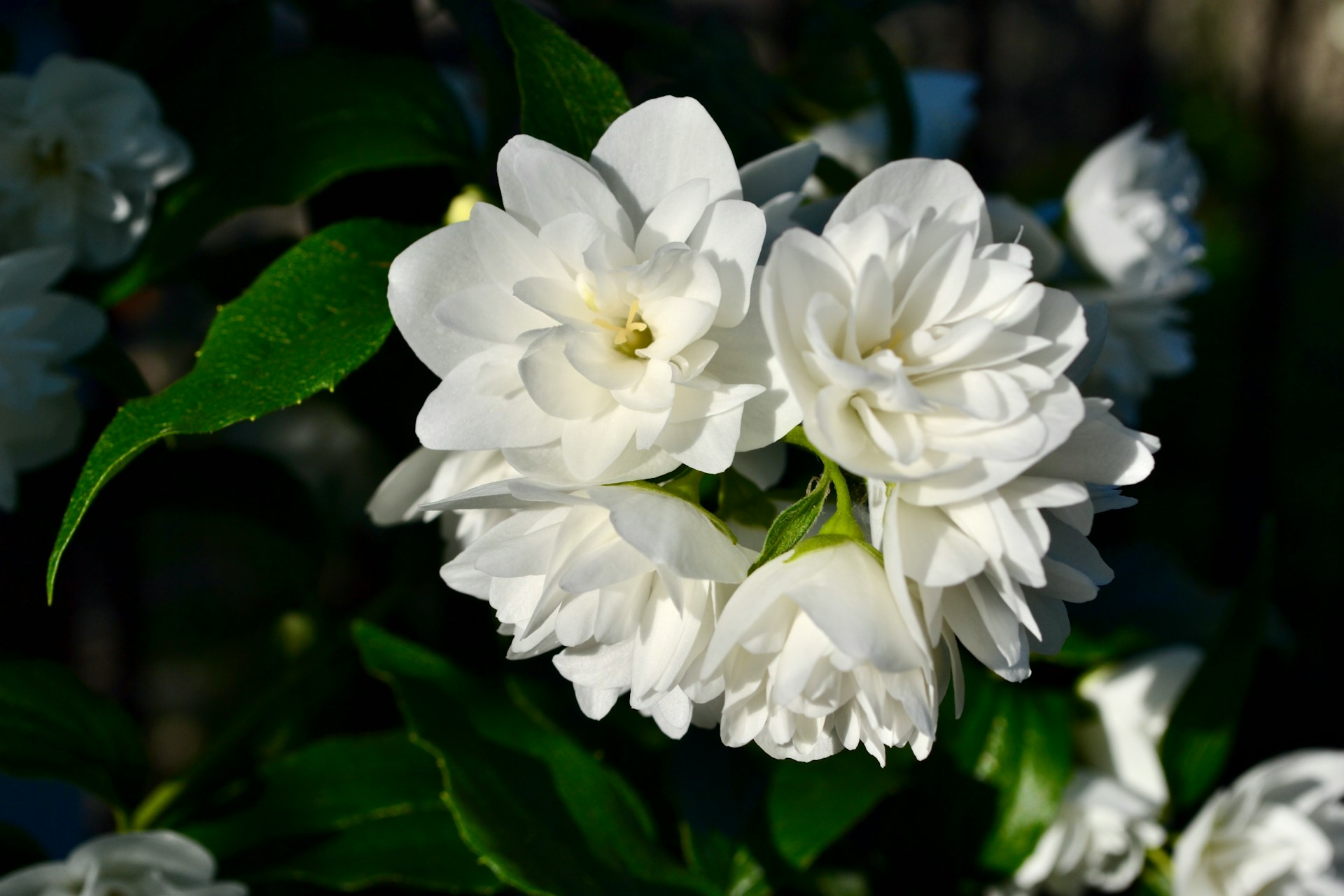
    Jasmine is one of the most prized fragrances in the world, and one of the most expensive. Its small white flowers release a heady, sweet, slightly musky scent that intensifies after dark, which is why jasmine has been planted beside doorways and windows for thousands of years. The name itself comes from the Persian yasmin, and the flower has been treated as a gift across many cultures.

    A Flower That Traveled

    Jasmine belongs to the olive family and is native to warm regions of Asia and beyond. It spread along trade routes to Persia, the Arab world and eventually Europe, where it was a favorite of Renaissance gardens. Today, the varieties most used in perfumery are grown in India, Egypt, Morocco and the south of France, where the town of Grasse built much of its reputation as a perfume capital on fields of jasmine and roses.

    In the Philippines, a jasmine species known as sampaguita is the national flower, strung into garlands offered at churches and given to guests. In India, jasmine garlands are woven into hair, hung at weddings and sold in fragrant heaps at every market. In China, jasmine flowers are layered with green tea leaves to make jasmine tea, one of the most popular scented teas in the world.

    Picked by Night

    Jasmine flowers are harvested by hand, often before dawn, because the scent is at its strongest in the early morning hours. Picking is slow and labor-intensive. It takes an enormous number of blossoms to produce a small amount of fragrance material, which is why pure jasmine is among the costliest ingredients in perfumery.

    Unlike lavender or rosemary, jasmine is not steam distilled. The delicate blossoms do not survive heat well, so the fragrance is drawn out with solvents to produce a thick, dark liquid called an absolute. Historically, jasmine was also captured through enfleurage, a painstaking method of pressing flowers into layers of fat until the fat absorbed their scent.

    Jasmine in Aromatherapy

    Jasmine absolute has a rich, warm, floral scent that many people find comforting and a little luxurious. It appears in evening blends, often paired with sandalwood, bergamot or rose, and in body oils and perfumes. Because true jasmine is expensive, much of what is sold as jasmine oil is either diluted in a carrier oil or a synthetic fragrance. Read labels carefully: a very low price almost always means a fragrance oil rather than an absolute.

    A few sensible habits:

    • A tiny amount goes a long way. One drop in a diffuser blend is often plenty.
    • Dilute well before any skin contact and patch test first.
    • Many aromatherapy references suggest avoiding jasmine during pregnancy; talk with your doctor if that applies to you.
    • Jasmine is enjoyed for its scent. We make no claims about it beyond that.

    Growing Jasmine in Georgia

    Several jasmines grow happily in Middle Georgia. Common jasmine climbs fences and arbors and blooms in late spring and early summer. Star jasmine, known locally as Confederate jasmine, is technically a different plant with a similar scent, and by May you will find it covering mailboxes and porch railings all over town. Plant one near a porch or bedroom window, and warm evenings will carry the fragrance inside.

    Few experiences are simpler or more pleasurable than sitting outside on a spring night as the jasmine opens. It costs nothing, needs no equipment and reminds you why this flower has been treasured for so long.

  • Chamomile: The Gentle Daisy in Tea, Lore and Aromatherapy

    Chamomile: The Gentle Daisy in Tea, Lore and Aromatherapy

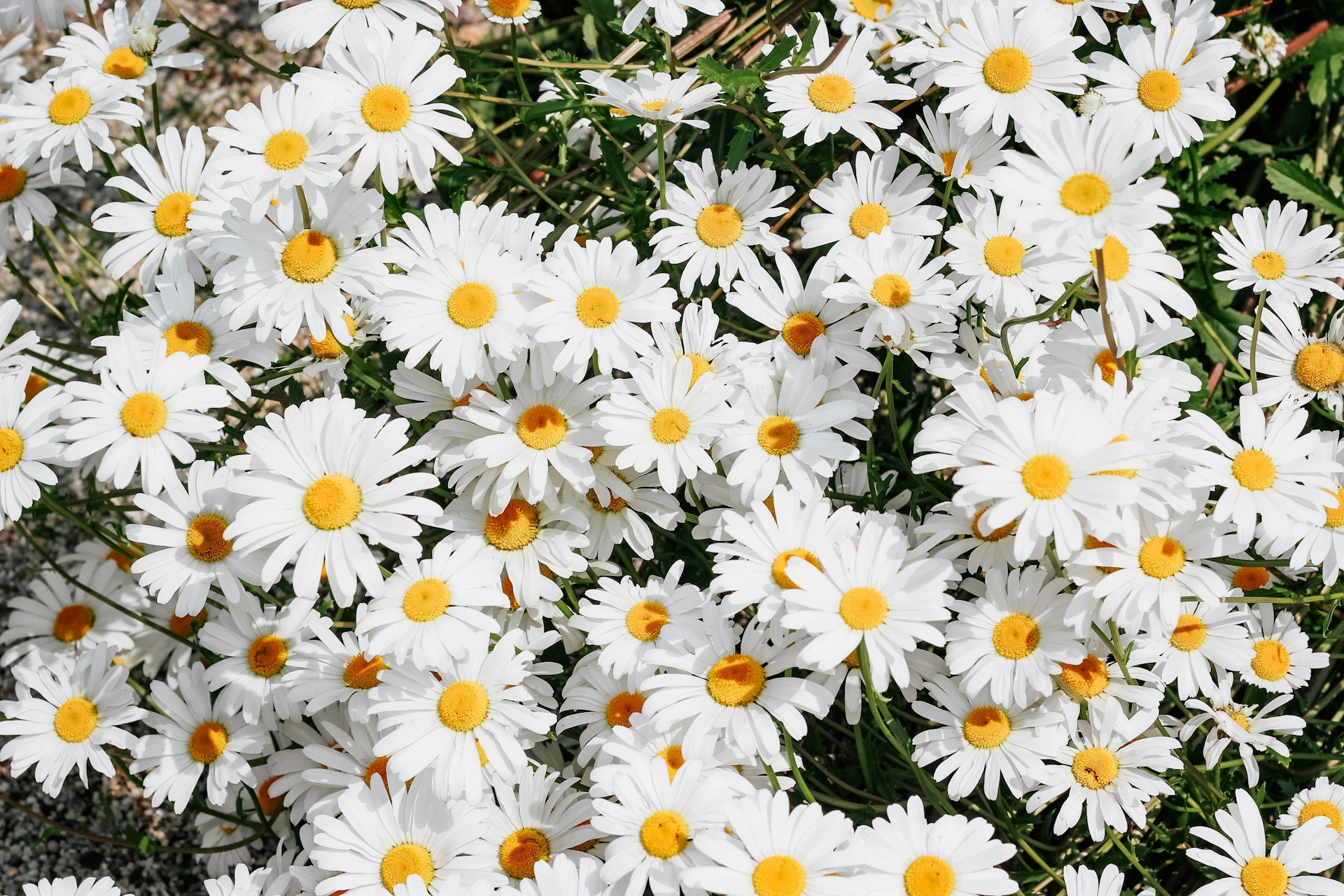
    Chamomile is the gentlest member of the aromatic plant family. Its small, daisy-like flowers, white petals around a yellow center, have been dried for tea, tucked into pillows and distilled into oil for centuries. The scent is soft, sweet and faintly apple-like, which is where the name comes from. If lavender is the best-known calming scent, chamomile is its quieter cousin.

    Earth Apple

    The word chamomile traces back to the Greek chamaimelon, roughly meaning ground apple, a description of the plant’s low growth and the apple-like scent of its crushed flowers. Ancient Egyptians, Greeks and Romans all grew it. In medieval Europe, chamomile was a strewing herb, scattered on floors so that footsteps released its fragrance, and it was planted as a fragrant lawn in English gardens. Spanish sherry makers used it to flavor manzanilla, which is also the Spanish word for chamomile.

    Two Plants Share the Name

    Most of what is sold as chamomile comes from one of two plants:

    • German chamomile, Matricaria chamomilla, is an annual with a sweet, hay-like scent. It is the chamomile most often found in tea bags.
    • Roman chamomile, Chamaemelum nobile, is a low perennial with a fruitier, more apple-like aroma. It is the one traditionally used for lawns and is popular in aromatherapy.

    Both belong to the daisy family, which also includes ragweed and chrysanthemums. People who are allergic to those plants may react to chamomile, so if you have plant allergies, talk with your doctor before using it in any form.

    A Blue Surprise

    One of the more delightful facts about chamomile is the color of its oil. German chamomile essential oil is a deep inky blue when freshly distilled. The color comes from a compound called chamazulene, which forms during the distillation process and is not present in the living flower. It fades toward green and then yellow as the oil ages. Roman chamomile oil, by contrast, is pale yellow or nearly clear. The blue oil is one of the easiest ways to tell the two apart.

    Chamomile in Daily Life

    For most people, chamomile tea is the familiar form: dried flowers steeped in hot water for a few minutes, often enjoyed in the evening. The ritual itself, warm cup in hand, is part of the appeal. We make no claims about what the tea does; it is simply a pleasant, caffeine-free drink. If you are pregnant, take medications or have health concerns, check with your doctor before adding herbal teas to your routine.

    Beyond tea, chamomile appears in gentle skincare, in bath products and in aromatherapy blends, where its sweet scent softens sharper oils like rosemary or eucalyptus. A few drops of the essential oil, diluted in a carrier oil, is a common addition to a relaxing massage oil. As with any essential oil, dilute before skin contact, patch test and keep it out of reach of children and pets.

    Growing Your Own

    German chamomile grows easily from seed in a sunny spot and self-sows freely. Harvest the flowers when the petals begin to curl back from the center, then dry them on a screen in a dark, airy room. A small jar of home-dried chamomile, opened on a quiet spring evening, carries the scent of the whole summer ahead. It is a humble flower, but few plants offer so much gentleness for so little effort.