Tag: mindfulness

  • Marking the Summer Solstice: A Simple Ritual for the Longest Day of the Year

    Marking the Summer Solstice: A Simple Ritual for the Longest Day of the Year

    Each year around June 20 or 21, the Northern Hemisphere reaches its longest day. In Middle Georgia, daylight stretches a little past fourteen hours, the sun rises early and dusk lingers well past eight-thirty in the evening. It is a natural moment to pause at the top of the year’s arc and notice where you are.

    What the solstice is

    The solstice happens because Earth’s axis is tilted. Around late June, the Northern Hemisphere leans most directly toward the sun, so the sun climbs highest in the midday sky and stays up longest. After that, days slowly begin to shorten again, a few seconds at first and then minutes, until the winter solstice in December.

    The word comes from the Latin sol, sun, and sistere, to stand still. In the weeks around the solstice, the sun’s rising and setting points along the horizon seem to pause before turning around and moving the other way.

    Oddly, the longest day is not the hottest. Land and water keep absorbing heat for weeks afterward, which is why the steamiest stretch of a Georgia summer usually comes in July and August.

    Midsummer around the world

    People have marked this turning point for thousands of years. At Stonehenge in England, the great stones are aligned with the sunrise on the summer solstice. In Sweden, Midsummer is one of the most beloved holidays of the year, celebrated with flower crowns, dancing around a leafy maypole and long meals outdoors in the bright northern evening. Across much of Europe, the feast of St. John the Baptist on June 24 absorbed older midsummer customs, with bonfires and the gathering of herbs. St. John’s wort takes its name from blooming around that day.

    These traditions share a theme: gratitude for light and abundance, and an awareness that the season is turning.

    A simple solstice day at home

    • Greet the sunrise. Take coffee or tea outside early, before the heat, and watch the light come up.
    • Gather something. Cut a handful of herbs or flowers from the yard for the table, in the old midsummer spirit.
    • Make a flower crown with children, twisting soft stems, herbs and greenery around a ring of florist wire or a flexible vine.
    • Eat outdoors once the evening cools, keeping the meal simple.
    • Watch the long dusk. Leave the lights off and notice the slow fading of color across the sky.

    A question for the longest day

    Many people like to pair the solstice with a moment of reflection. At the winter solstice, the questions are often about rest and what we hope will return. At midsummer, they can be about what has grown. Sit somewhere comfortable at dusk and ask: what has flourished in my life since winter? What would I like to tend more carefully as the days begin to shorten?

    Write a few lines, light a candle on the porch table or simply sit with the question until the first fireflies appear. There is nothing to achieve. The point is to notice the turning of the year and to let a little of the long light settle in.

  • A Jar of Garden Flowers: The Mindful Ritual of Bringing the Outdoors In

    A Jar of Garden Flowers: The Mindful Ritual of Bringing the Outdoors In

    There is a particular pleasure in walking the yard on a May morning with a pair of scissors and a jar of water, looking for what is ready. A few stems of hydrangea, a sprig of mint, a branch of something green: brought indoors and set on the kitchen table, they change the feel of a room. The arranging itself can be a small, absorbing ritual, the kind of task that quiets the mind because it asks for your full attention.

    A lesson from ikebana

    Ikebana, the Japanese art of arranging flowers, grew out of flower offerings made at Buddhist temples and developed over centuries into a formal discipline with many schools. Its oldest school traces its roots to a temple in Kyoto. Where Western arrangements often aim for abundance, ikebana values line, empty space, asymmetry and a clear sense of the season.

    You do not need to study ikebana to borrow its spirit. Try choosing three stems instead of thirty. Let one be tall, one medium and one short. Leave space between them and notice how the gaps make each stem easier to see. A single branch in a bottle, placed with care, can be more striking than a crowded bouquet.

    Cutting and conditioning, the simple way

    • Cut in the cool of the early morning or evening, when stems are full of water. Midday cuttings in the Georgia heat tend to wilt quickly.
    • Carry a bucket or jar of water with you and put stems in as soon as you cut them.
    • Recut each stem at an angle indoors, and strip off any leaves that would sit below the waterline.
    • Let the stems rest in cool water for an hour or two before arranging, which helps them settle and drink.
    • Change the water every day or two and trim the stems again when you do.

    What a late-spring yard offers

    Look beyond the obvious flower beds. Early hydrangea heads, roses and gardenias make lovely cut flowers, and as the season moves on, zinnias and black-eyed Susans join them. Herbs such as mint, basil and rosemary add fragrance and a casual, kitchen-garden look. Ferns, magnolia leaves, ivy and bare twigs supply line and greenery when flowers are scarce. Even a few grasses or seed heads can be beautiful on their own.

    Two cautions are worth keeping in mind. Cut only from your own yard or with permission, and leave wildflowers in parks and natural areas where they grow. And if you share your home with cats, keep lilies out of the house entirely, because they are highly toxic to cats. The ASPCA maintains a list of plants that are toxic to pets, and your veterinarian can answer questions about others.

    Making it a weekly practice

    The ritual works best when it is small and regular. Choose one day a week, perhaps Saturday morning, and fill one jar. Arrange slowly. Turn the jar to find its best side. Notice the smell of the stems, the weight of the water, the way the light falls across the petals. When the flowers fade, compost them and begin again.

    Over a summer, the jar becomes a quiet record of the season: gardenias giving way to hydrangeas, herbs to zinnias, green to gold. It is a reminder, right there on the table, that something is always blooming if you take the time to look.

  • Blue Space: Why Time Near Water Feels So Restful

    Blue Space: Why Time Near Water Feels So Restful

    Think about where you go when you need to clear your head. For a surprising number of people, the answer involves water: a riverbank, a lake dock, the beach, even a fountain in a city square. Researchers who study how our surroundings affect wellbeing have a name for these places. They call them blue spaces, a watery counterpart to the more familiar idea of green space.

    What people notice near water

    Ask people to describe how they feel beside water and the same things come up. The sound of moving water is steady and unhurried, and it covers other noise. Light shifts constantly on the surface, giving the eyes something soft to rest on. The horizon opens up. On a hot day, the air near a lake or river can feel a little fresher. None of this requires a plan or an activity. Many people find that simply sitting and watching is enough.

    The waters of Middle Georgia

    Macon grew up beside the Ocmulgee River, which flows southeast through the city and later joins the Oconee River to form the Altamaha, one of the great rivers of the Southeast, on its way to the Atlantic. Riverside parks and trails in and around Macon give people a chance to walk, sit or paddle near the water, and there are lakes and reservoirs within an easy drive in several directions.

    Before you go, check the official website of the park or the county for hours, access points and rules. Rivers deserve respect. Currents can be stronger than they look, water levels change after heavy rain and posted warnings are there for good reason. Wear a life jacket when paddling or boating, never swim alone and keep children within arm’s reach near any water.

    Small water, close to home

    You do not need a lake view to bring water into an ordinary week. A few ideas:

    • A birdbath in the yard, where you can watch visitors splash. Change the water every few days so mosquitoes cannot breed in it.
    • A small tabletop fountain on a desk or porch, for the sound alone.
    • A wide bowl of water on the table with a single floating flower.
    • Sitting on the porch during a summer rain, simply listening.
    • A lunch break beside a public fountain or a pond in a park.

    A five-minute water practice

    Next time you are near water of any size, try this. Sit comfortably and let your gaze rest on the surface. Notice the light first: where it glints, where it darkens, how it moves. Then close your eyes and listen. Is the sound steady or broken, loud or barely there? Let your breath slow to match whatever rhythm you hear. When your mind drifts, as it will, return to the sound.

    Five minutes is plenty. You may find, as many people do, that the water has a way of putting the rest of the day into proportion. That is not a promise, only an invitation to sit beside it and see.

  • Cloud Watching as Mindfulness: Lying Back on a Late-Spring Afternoon

    Cloud Watching as Mindfulness: Lying Back on a Late-Spring Afternoon

    When did you last lie on your back in the grass and watch the clouds? For most of us the answer is somewhere in childhood. Yet cloud watching is one of the easiest mindfulness practices there is. It costs nothing, needs no instructions and works anywhere with a patch of sky. Late spring in Middle Georgia, with its tall white afternoon clouds, is an ideal time to start again.

    The man who named the clouds

    For most of history, clouds had no agreed names. That changed in 1802, when Luke Howard, a London pharmacist and devoted amateur weather watcher, gave a lecture proposing a simple system based on Latin words. Cumulus meant heap. Stratus meant layer. Cirrus meant a curl or wisp of hair. Nimbus referred to rain clouds. Howard’s essay was published the following year and caught on quickly. The German writer Goethe admired it enough to write poems in his honor, and the names meteorologists use around the world today still build on Howard’s original idea.

    It is a pleasing thought while you lie in the grass: the vocabulary of the sky was invented by someone who simply loved looking up.

    A few clouds to look for

    • Cumulus: the classic puffy, flat-bottomed fair-weather clouds that drift across warm afternoons. These are the best for finding shapes.
    • Cirrus: thin, feathery streaks very high in the sky, made of ice crystals.
    • Stratus: a gray, featureless sheet that can make a whole day feel hushed.
    • Cumulonimbus: the towering thunderheads that build on hot Georgia afternoons, sometimes flattening into an anvil shape at the top.

    That last one is your signal to fold up the blanket. The National Weather Service puts it simply: when thunder roars, go indoors. If you can hear thunder, lightning is close enough to be a danger.

    Turning it into a practice

    Find a shady spot with a view of open sky, such as the edge of a tree’s shadow, and spread a blanket. Wear sunglasses, and never look toward the sun itself. Lie back and let your eyes settle on one cloud. Watch its edges change. Notice how slowly or quickly it moves and how it thins or grows.

    When your mind wanders to the grocery list or tomorrow’s meeting, notice that, too, and bring your attention back to the sky. Many meditation teachers use clouds as a picture of thoughts themselves: they drift into view, change shape and pass on without needing to be chased or held. Ten or fifteen minutes is plenty.

    Seeing shapes

    The habit of seeing a dragon, a face or a rabbit in a cloud has a name: pareidolia, the mind’s tendency to find familiar patterns in random shapes. It is the same instinct that sees a face in the front of a car. With children, it turns cloud watching into a gentle game. Take turns pointing out shapes, then watch together as each one slowly melts into something else.

    Bring water, take breaks in the shade and head inside if the heat builds. Then let the sky do what it has always done, moving slowly overhead whether or not anyone is watching. It is a fine thing to be the one who is.

  • Magnolia Season: Noticing the South’s Grand Flower With Full Attention

    Magnolia Season: Noticing the South’s Grand Flower With Full Attention

    Late May in Georgia belongs to the Southern magnolia. Its blossoms are enormous, sometimes wider than a dinner plate, creamy white against dark glossy leaves, and they carry a lemony sweetness that hangs in the warm air. They are also fleeting. A single flower lasts only a few days, which makes the season an invitation to pay attention.

    An ancient flower

    Magnolias are among the oldest lineages of flowering plants still living. Their basic form appeared long before bees existed, and they are pollinated mainly by beetles, which is why the petals (botanists call them tepals) are thick and leathery enough to withstand a clumsy visitor. The center of the flower, with its cone-like cluster, looks ancient because it is.

    The genus is named after Pierre Magnol, a French botanist of the 1600s. The Southern magnolia, Magnolia grandiflora, is native to the southeastern United States and has become a symbol of the region, appearing on state flags and seals and in the front yards of countless old homes.

    A short practice for one tree

    Find a magnolia you can reach, in a park, a neighbor’s yard or your own. Then give it five unhurried minutes.

    • Look first at the whole tree: the shape, the way the leaves catch light on one side and show rusty brown fuzz on the other
    • Choose one open flower and study it closely, noticing how the tepals curve and where the color shades from white to cream
    • Lean in and breathe. Magnolia scent is clean and citrusy, nothing like gardenia’s heaviness
    • Notice the sounds around you: bees in nearby plants, wind in the stiff leaves, traffic in the distance
    • Find a bud that has not opened and a flower that is browning. Let yourself see the whole cycle in one tree

    This is a simple form of mindfulness, a way of resting attention on one real thing. People often come away from it feeling calmer, though the point is the looking, not any result.

    Bringing a bloom inside

    A magnolia blossom in a wide, low bowl is a classic Southern centerpiece. Cut the flower with a short stem early in the morning, float it in water and expect a day or two of beauty. The tepals bruise where they are touched, so handle them as little as possible. The large leaves, by contrast, last for weeks and look handsome in a vase on their own.

    Living with a magnolia

    Anyone who has raked under a Southern magnolia knows the tree sheds all year: leaves, tepals, seed cones with their bright red seeds in the fall. It is a messy neighbor and a generous one, giving deep shade in summer and shelter to birds. If you are thinking of planting one, give it room; mature trees are large.

    The bloom season moves fast. Blink and the white flowers are brown. That is exactly why it is worth stopping, this week, for one tree and one flower, before the Georgia heat closes in and the season moves on.

  • Azaleas, Dogwoods and Wisteria: Noticing the Spring Bloom in Middle Georgia

    Azaleas, Dogwoods and Wisteria: Noticing the Spring Bloom in Middle Georgia

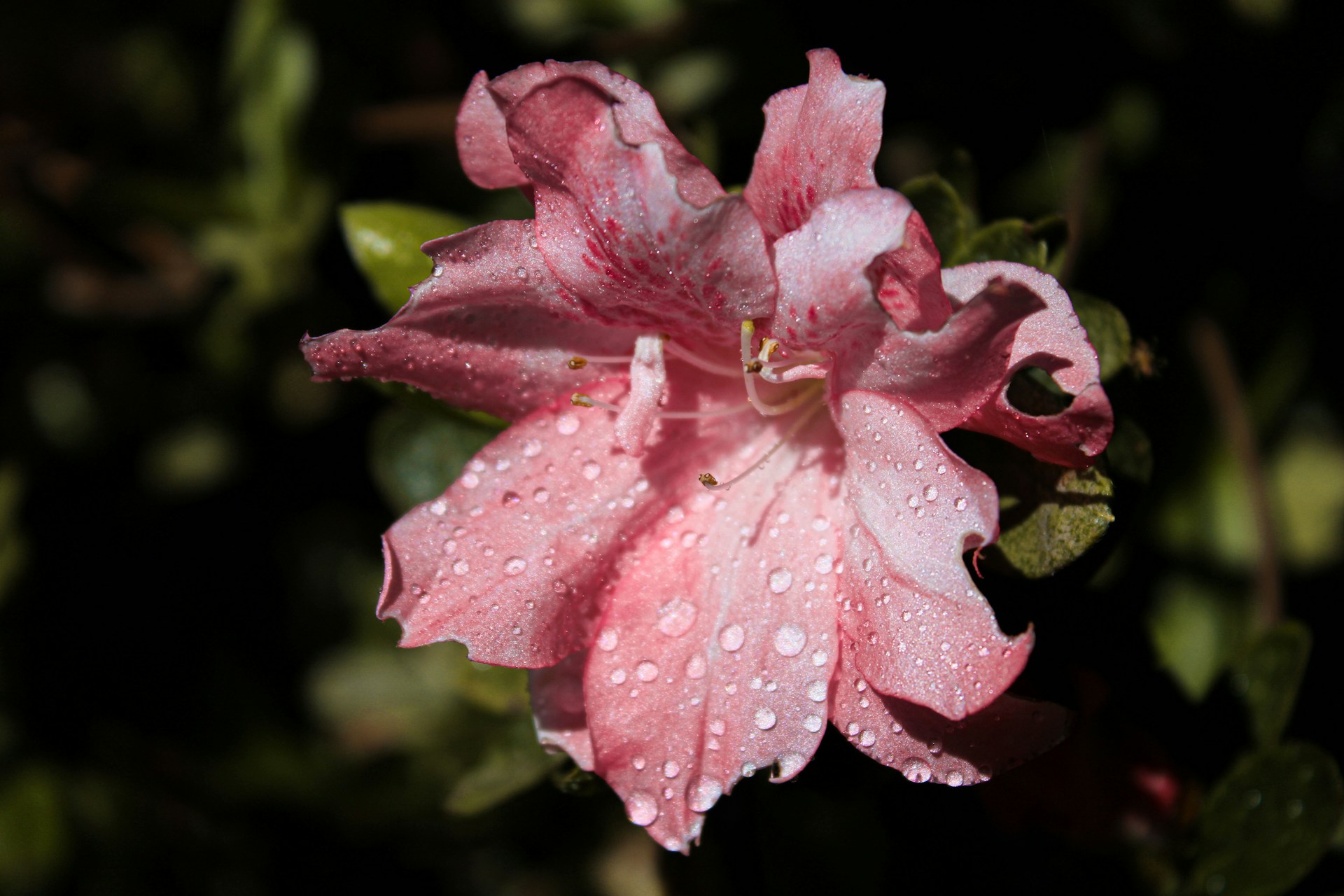
    For a few weeks each spring, Middle Georgia puts on one of the great flower shows of the American South. Azaleas blaze in every shade from white to deep magenta, dogwoods open their pale four-petaled blooms in the understory and wisteria drapes purple over fences and pines. The display follows the cherry blossoms and overlaps with the heaviest pollen, and it rewards anyone willing to slow down and look. Here is a short field guide to the three stars of the season and a few ways to enjoy them mindfully.

    Azaleas

    Azaleas belong to the rhododendron family, and the ones most people picture, the dense evergreen shrubs covered in bloom, are mostly Asian varieties introduced to Southern gardens over the past two centuries. They thrive in the acidic soil and dappled shade under Georgia’s pines and oaks, which is why they are everywhere in older neighborhoods. Peak bloom in Macon usually falls in late March and April, depending on the year.

    Georgia also has native azaleas, deciduous shrubs with looser, more fragrant flowers in white, pink, orange and yellow. The native azalea is Georgia’s official state wildflower, and the Piedmont azalea, with its honeysuckle-like scent, can still be found blooming wild along streams and woodland edges in spring.

    Dogwoods

    The flowering dogwood is a small understory tree native to the eastern United States. What look like its four white petals are actually modified leaves called bracts surrounding a cluster of tiny true flowers in the center. Each bract has a small notch at its tip. Dogwoods bloom just as their leaves emerge, often a week or two after the azaleas begin, and they glow in the shade of taller trees. In fall the same trees turn red and produce bright berries for birds. Dogwood festivals are a spring tradition in several Southern cities, and the tree is beloved enough to appear in countless front yards across Georgia.

    Wisteria

    Wisteria is the most dramatic and most complicated of the three. The cascading purple blooms that drape over abandoned barns, fence lines and tall pines in April are usually Chinese or Japanese wisteria, vigorous vines introduced as ornamentals that have escaped into the wild across the Southeast. They are beautiful and heavily scented, and they are also considered invasive, capable of strangling trees and spreading through woodlands. Admire them freely, but think twice before planting one.

    There is a gentler option. American wisteria, a native vine, has shorter, less fragrant flower clusters and a much more restrained habit. Several cultivars are sold at nurseries for gardeners who want the look without the takeover.

    Seeing Them Slowly

    The bloom lasts only a few weeks, which is an argument for paying attention now. A few ways to do that:

    • Take the same walk once a week through April and notice what has opened and what has faded.
    • Stand under a dogwood and look up through the bracts at the sky. The light through them is one of the quiet pleasures of the season.
    • Smell a native azalea or a wisteria cluster from a few inches away, then step back and notice how far the scent carries.
    • Sit on a bench near a mass of azaleas for ten minutes and watch the bees and butterflies work.
    • Sketch or photograph a single bloom rather than the whole hedge.

    A note for allergy season: the showy flowers in this article are mostly insect-pollinated and release little airborne pollen; the yellow dust on your car comes from pines and other wind-pollinated trees blooming at the same time. If you have allergies, talk with your doctor about what affects you. For everyone else, the spring bloom is simply an invitation. It asks nothing but your attention, and it is gone by May.

  • Ten Small Pauses You Can Take in a Working Day

    Ten Small Pauses You Can Take in a Working Day

    Most working days do not offer a spare hour. They offer two minutes here, five minutes there, a few moments between one task and the next. Those slivers are where a gentler day is built. A pause does not have to be a meditation session or a trip outside. It can be a deliberate breath before you open the next email. Here are ten small pauses that fit almost any schedule, whether you work at a desk, on your feet or at home with children.

    Pauses That Take One Minute

    • The threshold breath. Every time you walk through a doorway, take one slow breath. Doorways are everywhere, which makes this an easy habit to build, and each breath is a tiny reset between one space and the next.
    • The shoulder drop. Notice where your shoulders are. They are probably higher than they need to be. Lift them toward your ears, hold for three seconds and let them fall. Repeat twice.
    • The far look. Screens keep the eyes focused close. Look out a window or across the room at the farthest point you can see and hold your gaze there for thirty seconds. Blink a few times.
    • The glass of water. Get up, fill a glass and drink it slowly, standing, without looking at anything. Then return.

    Pauses That Take Five Minutes

    • The step outside. Walk out the door, around the building or to the end of the driveway and back. Leave the phone. Notice the temperature, the sky and one thing that is growing.
    • The hand ritual. Wash your hands slowly with warm water and a soap you like the smell of. Dry them carefully and rub in a little hand cream, giving each finger a moment. It is a small act of care in the middle of a day spent caring for everything else.
    • The unhurried snack. Eat a piece of fruit or a handful of nuts with full attention, away from the desk. Notice the texture and taste. Five minutes of eating like this is more restful than fifteen minutes of eating while scrolling.

    Pauses That Take Ten Minutes

    • The quiet sit. Find a chair, close your eyes and do nothing. Not meditation, not planning. Just sit. Set a timer so you do not have to watch the clock. Ten minutes of nothing in the middle of a day feels almost illicit and is remarkably restorative.
    • The stretch. Stand up and move slowly through whatever feels stiff: a gentle twist, reaching arms overhead, rolling the neck, folding forward with soft knees. Breathe as you go. Stop short of anything that pulls.
    • The call. Phone a friend or family member for ten minutes with no agenda. Human voices are a different kind of rest from silence, and a short, warm conversation changes the shape of an afternoon.

    Making Pauses Stick

    The hard part is remembering. A few tricks help:

    • Attach a pause to something you already do, such as the threshold breath at doorways or the far look every time you finish an email.
    • Set two or three quiet alarms through the day labeled simply pause.
    • Keep a visible cue on your desk: a smooth stone, a small plant, a card with one word on it.
    • Tell a coworker or family member you are trying this. A little accountability goes a long way.

    A Note on Guilt

    Many people feel they do not deserve a break until the work is done. The work is never done. Pauses are not time stolen from productivity; they are what makes the rest of the hours tolerable, and often more effective. If you have a health concern or ongoing stress that does not ease, please talk with your doctor. For ordinary busy days, start with one pause tomorrow and see how it feels. Then add another.

  • Mindful Commuting: Finding Calm on the Drive to Work

    Mindful Commuting: Finding Calm on the Drive to Work

    For many people the commute is the most stressful part of the day, two stretches of traffic that bracket the workday with tension. It does not have to be. The drive to work is one of the few times when nothing else can be asked of you, and with a little intention it can become a buffer between home and work rather than a battle with the road. Here are some ways to make the commute calmer. Safety always comes first: keep your eyes on the road and your hands on the wheel, and never attempt anything that divides your attention from driving.

    Begin Before You Start the Car

    The quality of a commute is often decided in the five minutes before it. Rushing out the door late, coffee in hand, searching for keys, sets a tone the drive rarely recovers from. Try leaving ten minutes earlier than you need to. Sit in the car for one slow breath before turning the key. Set your route, your music or your silence before pulling out so you are not fiddling with the phone at the first light.

    Choose Your Sound Deliberately

    Many people default to news or talk radio, which keeps the mind busy and often agitated. Consider what you actually want from the drive. A calm playlist, an audiobook, a podcast on a subject you enjoy or simply quiet are all alternatives. Some people choose silence for the first ten minutes to let the morning settle, then add sound. Keep the volume moderate so you can hear the road.

    Use the Red Lights

    Stoplights are usually experienced as delays. They can be pauses instead. When you stop, let your shoulders drop, loosen your grip on the wheel and take one slow breath. Notice the sky, a tree beside the road, the color of the light. When it turns green, go. Over a commute with a dozen lights, that adds up to a dozen small resets without any cost to your attention when the car is moving.

    Driving the same route every day also makes it invisible. Try picking one thing to notice each trip: what is blooming along a particular stretch, how the light falls at this time of year, which houses have put out spring flowers. In Macon in April, there is plenty to see, from azaleas to the last of the dogwoods. Keep your attention on driving; the noticing happens in the margins, the way it does on any drive.

    Handle Other Drivers Gently

    Someone will cut you off. The frustration is natural, and it passes faster if you do not feed it. One approach is to assume the other driver is having a hard morning and leave it there. Another is to notice the heat of irritation in your body, name it silently and let it fade over the next few seconds. Neither changes the traffic. Both change how you arrive.

    Give the Drive a Scent

    A small vent clip or a cotton pad with a drop or two of a scent you like, such as citrus or rosemary in the morning and something softer in the evening, can make the car feel like your own space rather than a machine. Keep it very light; strong fragrance in a closed car can be unpleasant and distracting. Never apply essential oils to skin while driving, and never leave bottles in a hot car.

    When you park, do not leap out. Turn off the engine and sit for one breath. Ask yourself how you want to walk into the building, or into the house. Then go. A drive that starts and ends with a pause, and holds a few quiet moments in between, is a different thing from the one you used to dread.

  • Gardening as Mindfulness: Tending a Few Pots With Full Attention

    Gardening as Mindfulness: Tending a Few Pots With Full Attention

    You do not need a large garden, or any garden, to garden mindfully. A few pots on a step, a window box or a single tomato plant in a bucket is enough. What matters is the quality of attention you bring. Gardening, done slowly, is one of the most natural mindfulness practices there is: it asks you to notice, to touch, to wait and to accept what you cannot control. In April, when everything is growing fast, it is also one of the most rewarding.

    Why Gardening Suits a Quiet Mind

    Most of what we do in a day happens on our schedule. Plants do not. They grow at their own pace, respond to weather you did not choose and sometimes fail for no reason you can find. Tending them puts you in a relationship where attention matters more than effort. The gardener who checks the soil, watches the leaves and waters when needed does better than the one who follows a rigid plan. That shift, from controlling to noticing, is the heart of mindfulness.

    There is also the simple fact of using your hands. Soil, water, stems and leaves give the senses something real to rest on, and the body something gentle to do.

    A Daily Practice in Ten Minutes

    Pick a time, ideally the same one each day. Early morning works well in spring, before the heat and before the day’s demands. Then:

    • Stand or crouch beside your plants and take three slow breaths before touching anything.
    • Look. Spend a full minute simply seeing what is there: new growth, a yellowing leaf, a bud, an insect.
    • Touch the soil with a finger to check for moisture. Notice the temperature and texture.
    • Do what is needed and nothing more. Water if dry. Pinch a dead leaf. Turn a pot toward the light.
    • Finish by noticing one thing that has changed since yesterday.

    That is the whole practice. On some days there will be nothing to do, and the practice is simply to look.

    Working With What Arises

    Gardening offers plenty of small frustrations: a seedling eaten overnight, a plant that wilts despite your care, a week of rain that drowns the basil. Each is a chance to notice your reaction without rushing to fix it. Disappointment, impatience and the urge to blame yourself all show up in a garden, in manageable doses. Watching them come and go while you replant is good practice for the larger versions that life delivers.

    The same goes for the pleasant surprises. The first flower, the smell of tomato leaves on your fingers, a bee arriving at the chives. Pause and let yourself enjoy them fully rather than moving on to the next task.

    Slowing Down the Bigger Jobs

    Planting day, repotting and weeding can be done mindfully too. Turn off the podcast for the first twenty minutes. Work at a pace slightly slower than feels natural. Notice the weight of the soil, the sound of water and the feel of roots. Take breaks to stand up, stretch and look at the whole space rather than the one square foot in front of you. Many people find that a slower hour of gardening leaves them more refreshed than a rushed two.

    A Few Practical Notes

    Wear gloves if you prefer, but try at least a few minutes barehanded to feel the soil. Protect yourself from the sun with a hat and sunscreen, and wash your hands well afterward. Keep a small notebook in the garden basket to jot down what you notice; over a season it becomes a record of attention as much as of plants. We make no health claims about gardening. It is simply a good way to spend a spring morning, and a quiet teacher if you let it be one.

  • Listening to the Dawn Chorus: A Mindful Start to Spring Mornings

    Listening to the Dawn Chorus: A Mindful Start to Spring Mornings

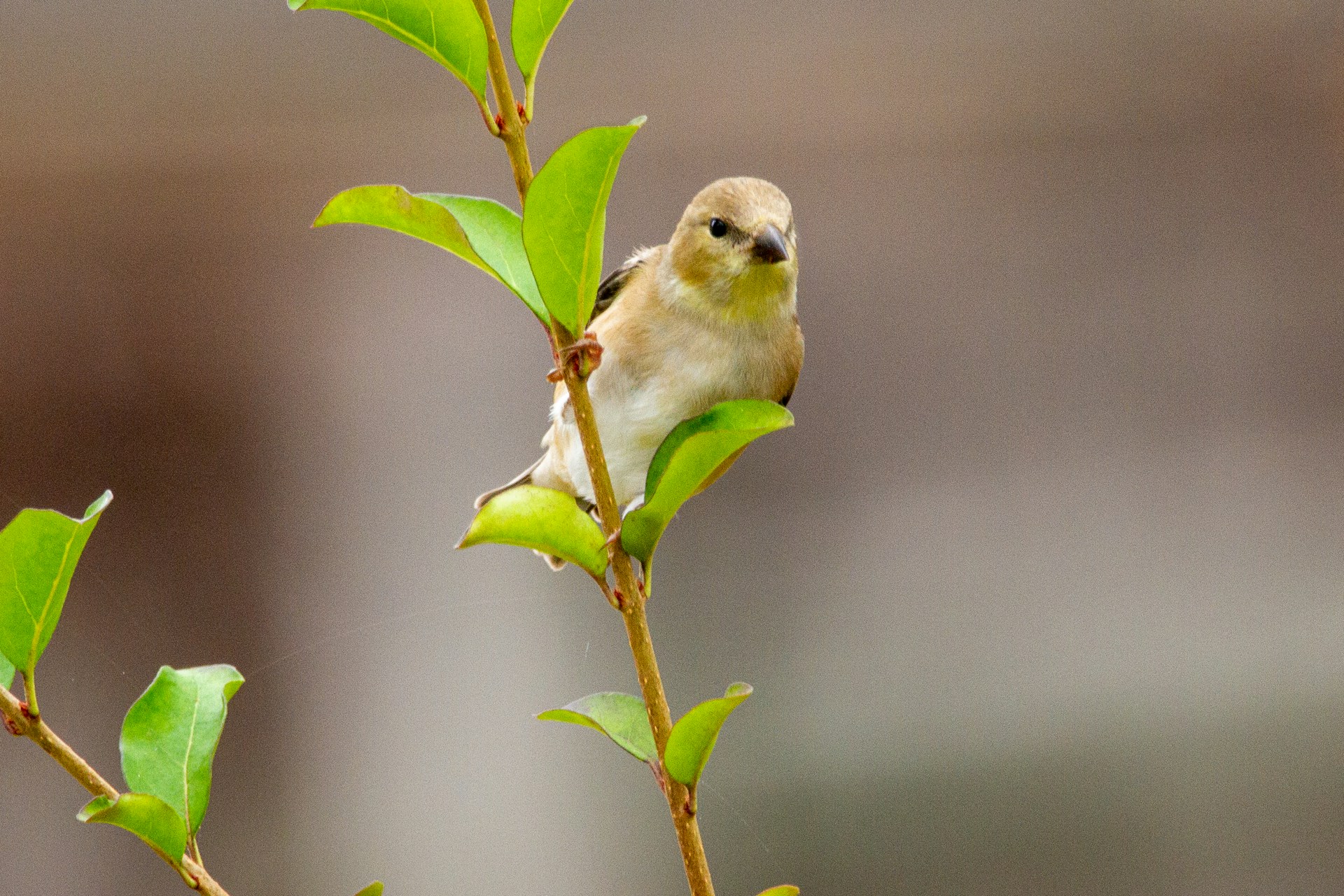
    In spring, the first light brings a sound that is easy to sleep through and remarkable to hear: the dawn chorus. Across Middle Georgia, cardinals, wrens, mockingbirds, thrashers and dozens of other species begin singing in the half hour before sunrise, building to a peak as the sky brightens and then tapering off as the day gets underway. Listening to it on purpose is one of the simplest mindfulness practices there is, and it is free every morning from now through early summer.

    Why Birds Sing at Dawn

    Birdsong in spring is mostly about territory and courtship. Males sing to claim a patch and to attract a mate, and dawn is a good time to do it. The air is still, so sound carries well. It is too dim to forage efficiently, so there is little else to do. And a bird that sings strongly after a long night signals that it is in good condition. The chorus is loudest from late March through May, which is nesting season for most of our local birds, and it fades as summer heat settles in.

    Who You Are Hearing

    You do not need to identify birds to enjoy the chorus, but a few voices are easy to learn:

    • The Northern cardinal, with clear, whistled phrases that often sound like cheer, cheer, cheer.
    • The Carolina wren, tiny but astonishingly loud, with a rolling three-part phrase repeated over and over.
    • The Northern mockingbird, which strings together imitations of other birds and repeats each one several times.
    • The brown thrasher, Georgia’s state bird, which also imitates but typically repeats each phrase twice.
    • The mourning dove, with its soft, low cooing that many people mistake for an owl.

    Free smartphone apps can identify songs from a short recording, and they make a pleasant companion for the first few mornings.

    A Simple Listening Practice

    Set an alarm for about half an hour before sunrise. Make a warm drink and step outside, or open a window and sit beside it. Then simply listen for ten minutes.

    • Start by noticing how many different voices you can hear.
    • Pick one and follow it for a while. Notice its rhythm and where it seems to be coming from.
    • Let your attention widen again to the whole sound, near and far.
    • Notice how the chorus changes as the light grows.
    • When your mind wanders to the day ahead, gently bring it back to the sound.

    That is the whole practice. There is nothing to achieve and no way to do it wrong.

    Why It Feels Good

    We make no claims about health. But there is something quietly steadying about beginning the day with attention turned outward, before screens and schedules take over. The chorus connects you to the season, to the place where you live and to a rhythm older than any calendar. Many people find that a day started this way feels a little more spacious.

    Making It Easier

    You do not have to do this every day. Once or twice a week is plenty. If you are not a morning person, the evening chorus at dusk is a quieter but still lovely alternative. A porch chair, a blanket and a thermos make the habit more inviting. And if you oversleep, the birds will be back tomorrow.