Tag: mindfulness

  • Single-Tasking: The Quiet Art of Doing One Thing at a Time

    Single-Tasking: The Quiet Art of Doing One Thing at a Time

    Multitasking has a good reputation and a poor track record. Most of what we call multitasking is actually rapid switching between tasks, and each switch costs a little attention, a little time and a little calm. Single-tasking is the opposite habit: doing one thing, from start to finish, with your whole attention. It is not a productivity trick so much as a way of being present in your own day, and it is one of the most practical forms of mindfulness there is.

    Why Switching Is Tiring

    Every time you jump from an email to a text to a spreadsheet and back, your mind has to drop one set of details and pick up another. Researchers who study attention describe this as a switching cost. It is small each time, but it adds up over a day of dozens or hundreds of switches, and it is part of why an afternoon of scattered work can leave you exhausted without much to show for it. There is also a quieter cost: when attention is always partly elsewhere, nothing gets fully experienced, including the pleasant parts.

    What Single-Tasking Looks Like

    It is less about heroic focus than about small decisions:

    • Eating lunch without a screen.
    • Writing the report with email closed, then checking email as its own task.
    • Having a conversation with your phone in another room.
    • Washing the dishes and only washing the dishes.
    • Listening to a whole song, or a whole album, without doing anything else.

    None of these is difficult. What is difficult is remembering to choose them when the habit of splitting attention is so strong.

    A Simple Way to Start

    Pick one activity a day to do with full attention. Make it something short and pleasant at first, such as your morning coffee or the walk from the car to the door. Before you begin, take one breath and say to yourself what you are about to do. Then do it. When your mind pulls toward the next thing, notice the pull and return. When you finish, pause for a second before starting the next task.

    After a week or two, add a second activity, perhaps one piece of work that benefits from focus. Set a timer for twenty-five minutes, close everything unrelated and work until it rings. Then take a real break, away from the desk, before deciding what comes next.

    Handling Interruptions

    Single-tasking does not mean ignoring the world. It means handling interruptions as their own tasks rather than letting them fragment everything. Keep a notepad beside you. When a thought or a to-do intrudes, write it down and go back to what you were doing. The note holds it for later. Turn off nonessential notifications so that your phone interrupts you only when a person actually needs you, and let people know when you will be back if you step away from messages for an hour.

    The Pleasure of One Thing

    The unexpected reward of single-tasking is not efficiency, though that often comes. It is that ordinary activities become more enjoyable. Coffee tastes like coffee. A walk becomes a walk rather than a mobile meeting. Conversations deepen. Even chores take on a steadier, almost restful quality when they are not competing with three other things.

    Spring is a fine season to practice. The world is offering plenty worth noticing: blossoms, birds, longer evenings. Each is easier to see when you are only doing one thing at a time.
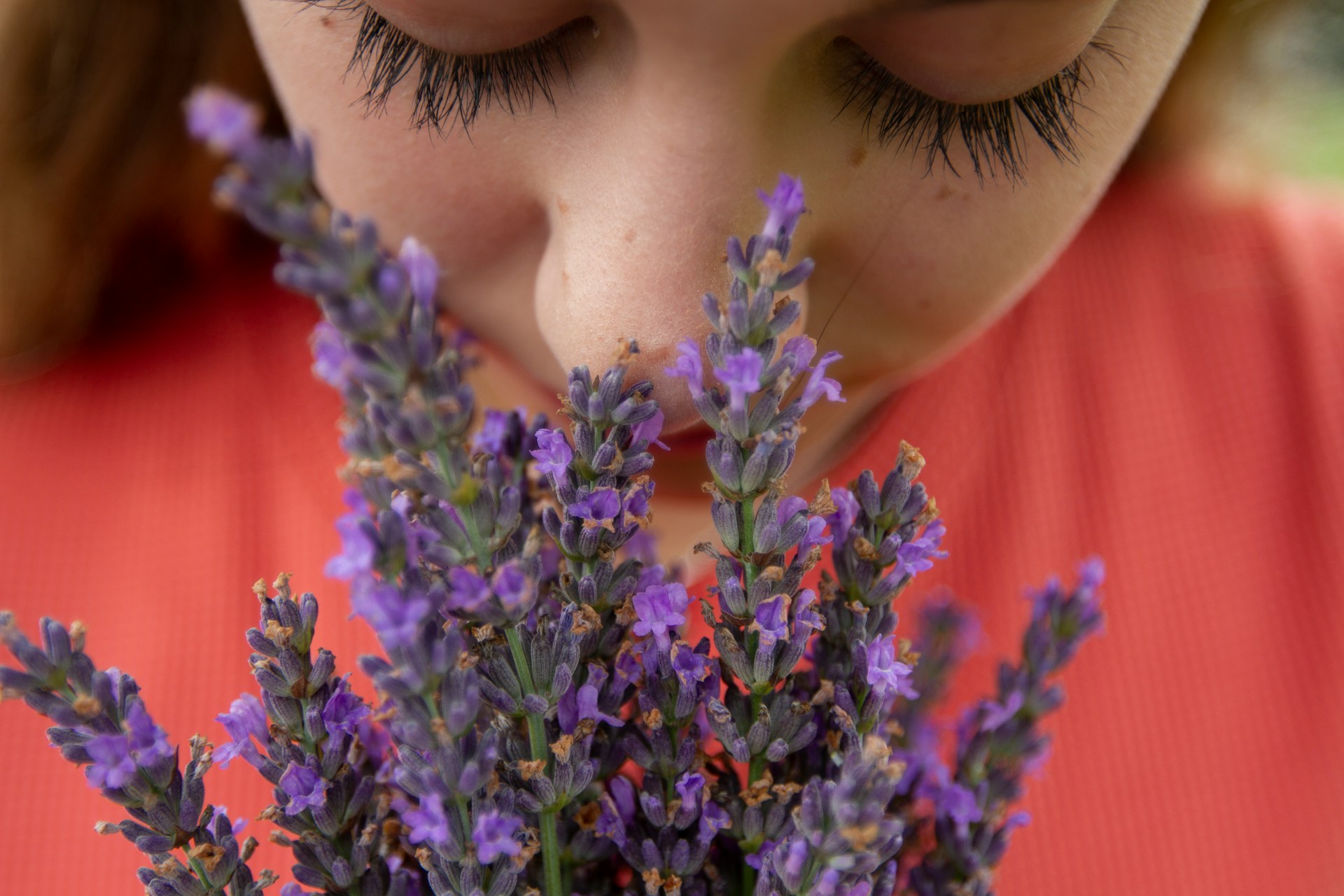

  • How Scent and Memory Connect: Why a Smell Can Carry You Back in Time

    How Scent and Memory Connect: Why a Smell Can Carry You Back in Time

    Almost everyone has had the experience. A whiff of a certain soap, sunscreen or wood smoke, and suddenly you are eight years old at your grandmother’s house or standing on a beach you have not visited in twenty years. The memory arrives whole, with feelings attached, before you can even name the smell. This phenomenon is so common that it has a name, the Proust effect, and the reasons behind it say a great deal about why scent matters in self-care.

    The Madeleine

    The name comes from the French novelist Marcel Proust, whose long novel In Search of Lost Time includes a famous scene in which the narrator tastes a small cake called a madeleine dipped in tea. The taste and smell unlock a flood of childhood memories he had thought lost. The scene became so well known that scientists who study smell and memory still refer to Proustian memories: involuntary, vivid and emotionally charged recollections triggered by a scent.

    Why Smell Is Different

    Our other senses take a relatively long route to the parts of the brain involved in emotion and memory. Smell is more direct. Odor molecules reach receptors high in the nose, and signals pass to the olfactory bulb, which sits close to and connects with the brain regions associated with emotion and memory. That short path is widely thought to be part of why a smell can summon a feeling before a thought.

    Scent memories also tend to be older than other memories. Researchers who ask people to describe memories triggered by smells find they often date to early childhood, while memories triggered by words or pictures cluster in the teenage years and early adulthood. The smell of a crayon box or a particular floor cleaner can reach back further than almost anything else.

    Why This Matters for Self-Care

    If scent and feeling are so closely linked, the smells you surround yourself with are not trivial. They become part of the emotional texture of your days. A few ways people use this on purpose:

    • Choosing one scent for an evening wind-down and using it only then, so that the smell itself starts to signal rest.
    • Bringing a familiar scent, such as a small roll-on or a sachet, when traveling, so a hotel room feels a little like home.
    • Pairing a new habit with a new scent, which can help the habit feel distinct and pleasant.
    • Keeping a scent from a happy time, like the sunscreen from a good vacation, for days that need a lift.

    None of this is a treatment, and we make no claims about what scents do. It is simply an observation about how memory works, and a gentle invitation to be deliberate.

    Building Your Own Scent Memory

    You can create associations as well as discover them. Spring is a good time to try, because the season is full of distinctive smells: cut grass, rain on warm pavement, honeysuckle, fresh basil. Pick a scent you encounter often, pause for a few seconds each time you notice it and pay attention to how you feel. Over a season, that smell will begin to carry those moments with it.

    At home, the same works with a candle, a diffuser blend or a particular hand cream. Use it during the good parts of your day, the quiet cup of coffee or the evening walk, rather than during chores. You are quietly teaching your memory what that scent means.

    A Note on Fading

    Scent memories are powerful but not permanent. Smelling something constantly dulls your awareness of it, which is why people stop noticing the smell of their own homes. Rotating scents with the seasons keeps them vivid. Let a favorite rest for a few months, and when it returns, so will everything it carries.

  • Feeling Steady: Simple Grounding Practices for Busy Spring Days

    Feeling Steady: Simple Grounding Practices for Busy Spring Days

    Spring is a season of motion. Calendars fill, pollen flies, the days stretch and everything seems to speed up at once. On the days when your thoughts race ahead of you, a grounding practice offers a way back to the present. Grounding simply means using your senses and your body to anchor attention in the here and now. It is a mindfulness skill, not a treatment, and it asks nothing of you but a minute or two.

    What Grounding Means Here

    The word grounding shows up in several contexts, some of them attached to health claims about standing barefoot on the earth. We are not making any such claims. In this article, grounding means a set of simple, sensory practices that many people find steadying when their minds are busy. If you are dealing with anxiety or another mental health concern, please talk with a doctor or counselor; these practices are a complement to care, never a substitute.

    The Five Senses Exercise

    This is the most widely shared grounding practice, and it works anywhere. Pause and quietly notice:

    • Five things you can see. Look for details you would usually skip, like the grain of a table or the color of a shadow.
    • Four things you can feel. The chair under you, the fabric of your sleeve, the air on your skin, your feet on the floor.
    • Three things you can hear. Near sounds and far ones.
    • Two things you can smell. If nothing is obvious, notice the smell of the room or your own hands.
    • One thing you can taste.

    By the time you finish, a minute or two has passed and your attention has moved out of your thoughts and into the room.

    Feet on the Ground

    A simpler practice is to notice your feet. Sitting or standing, press them gently into the floor. Feel the heels, the balls of the feet, the toes. Rock your weight slightly forward and back, then side to side, then let it settle in the center. Many people like to do this barefoot on grass in the early morning, when the ground is cool and slightly damp. The sensation is vivid and pleasant, and it makes a lovely start to a spring day. Watch for stinging insects and anything sharp.

    Holding Something

    Objects can be anchors. A smooth stone kept in a pocket, a cool glass of water held in both hands, a warm mug, a piece of rough bark. Hold the object and give it your full attention for thirty seconds: its weight, temperature, texture and shape. Some people carry a small object specifically for this purpose and reach for it in waiting rooms and traffic.

    Running cool water over your wrists or splashing it on your face is another quick sensory reset. So is stepping outside for three slow breaths, especially on a cool morning or just after rain. Neither takes more than a minute, and both work well in the middle of a long day.

    Making It a Habit

    Grounding is most useful when it is familiar, so practice it when you are already calm. Try one of these exercises while waiting for coffee to brew or at a red light. Then, on a hectic afternoon, the practice will already be in your hands. Spring will keep moving. These small anchors help you move with it, rather than being carried away.

  • Walking Meditation: How to Practice It Step by Step

    Walking Meditation: How to Practice It Step by Step

    Many people who find sitting meditation difficult discover that walking meditation suits them better. The body has something to do, the mind has a rhythm to follow, and the practice can be done almost anywhere: a hallway, a backyard, a quiet stretch of a park path. Spring, with its mild mornings, is a lovely time to try it.

    What It Is

    Walking meditation is simply walking with full attention. Instead of letting your mind wander to plans and worries while your feet carry you along, you bring attention to the act of walking itself: the lift of a foot, its movement through the air, the moment it meets the ground. The practice has deep roots in Buddhist traditions, where it is often alternated with periods of seated meditation, but it requires no particular belief.

    It is not exercise, and it is not a stroll. The pace is usually much slower than a normal walk, sometimes very slow indeed, though you can adapt it to a normal pace once you are comfortable.

    Setting Up

    Choose a path of about ten to twenty paces where you can walk back and forth without obstacles or much attention from others. Indoors, a hallway or a clear stretch of living room works. Outdoors, a quiet garden path, a porch or an empty corner of a park is ideal. You can walk barefoot on grass or a clean floor if you like the added sensation, or wear comfortable shoes.

    Set aside ten minutes to start. A timer with a gentle chime saves you from checking the clock.

    Step by Step

    • Stand still at one end of your path. Feel your weight settle into both feet. Take three slow breaths.
    • Begin to walk slowly. Notice the heel of one foot lifting, the foot moving forward, the heel and then the toes touching down, and the weight shifting onto it.
    • Keep your gaze soft and slightly downward, a few feet ahead, rather than staring at your feet.
    • Let your arms hang naturally or clasp your hands loosely in front or behind.
    • When you reach the end of your path, stop. Pause for a breath. Turn around slowly, with the same attention, and begin again.
    • When your mind wanders, and it will, simply notice where it went and return to the feeling of your feet.

    Some people quietly label the parts of each step in their mind: lifting, moving, placing. Others coordinate breath with steps, breathing in for a few steps and out for a few more. Use whatever helps you stay present.

    Common Hurdles

    Feeling self-conscious is the biggest one. Walking very slowly in public looks a little odd, which is why beginners often practice at home or in a quiet spot. Boredom is another. The practice is deliberately simple, and the restlessness that arises is part of what you are learning to walk with. Balance can feel surprisingly wobbly at slow speeds; that is normal and improves with practice.

    Taking It Into Daily Life

    Once the slow version feels familiar, you can bring the same attention to ordinary walking at ordinary speed: the walk from the car to the office, a trip down the driveway to the mailbox, a lap around the block at lunch. Those moments add up to a surprising amount of practice in a week. Walking meditation turns time you already spend into time that feels like your own.

  • What Is Forest Bathing? The Japanese Practice of Shinrin-yoku

    What Is Forest Bathing? The Japanese Practice of Shinrin-yoku

    The phrase forest bathing sounds like it involves water, but there is no swimming required. It is a translation of the Japanese term shinrin-yoku, which simply means taking in the atmosphere of the forest. The practice asks you to walk slowly among trees, with no destination and no agenda, using all of your senses. For anyone who loves the woods and trails of Middle Georgia, it is a gentle way to turn a walk into something closer to a retreat.

    Where the Idea Comes From

    The term was coined in Japan in the early 1980s, when the national forestry agency encouraged people to spend unhurried time in the country’s forests as a form of recreation and respite from city life. It drew on much older traditions of reverence for trees in Shinto and Buddhist culture. Over the following decades, designated forest therapy trails were established in Japan, and the idea spread to Europe and North America, where guides now offer group walks.

    Researchers have taken an interest in time spent in nature, and you may see various claims attached to forest bathing. We will not make any here. Forest bathing is a pleasant, calming experience for many people, and that is reason enough to try it. If you have a health concern, talk with your doctor.

    How It Differs From a Hike

    A hike has a trailhead, a destination and usually a pace. Forest bathing has none of these. You might cover a quarter of a mile in an hour. The point is to notice rather than to arrive. Most practitioners suggest leaving headphones at home, silencing your phone and, if you walk with someone, agreeing to be quiet for stretches.

    A Simple Way to Begin

    • Choose a wooded place you can reach easily. A city park with mature trees works as well as a state forest.
    • At the entrance, stop. Take a few slow breaths and let your shoulders drop.
    • Walk slowly, slower than feels natural. Pause often.
    • Move through your senses one at a time. Spend a few minutes just listening, then just looking, then noticing smells, then the feel of air and bark and ground.
    • Find a spot to sit for ten or fifteen minutes. Watch what changes around you when you are still.
    • Before you leave, pause again at the edge of the trees and notice how you feel compared with when you arrived.

    Twenty minutes is a fine start. Two hours is lovely if you have them.

    Sensory Prompts to Try

    If slowing down feels awkward at first, a prompt can help. Look for the smallest living thing you can find. Count how many different bird sounds you can pick out. Touch three kinds of bark and compare them. Find where the light is moving on the forest floor. Smell a handful of pine needles or the air after rain. The prompts give the restless part of your mind a job while the rest of you settles.

    Practical Notes for Georgia Woods

    Spring forests here are beautiful but busy. Wear closed shoes and long pants, check for ticks when you get home, and give snakes room if you see one. On high-pollen days, you may prefer a walk after rain. Bring water, let someone know where you are going, and stick to marked trails in unfamiliar places. The forest asks for very little in return for its quiet, and a little preparation lets you give it your full attention.

  • Macon’s Cherry Blossoms: The Story of the Yoshino Trees and a Mindful Way to See Them

    Macon’s Cherry Blossoms: The Story of the Yoshino Trees and a Mindful Way to See Them

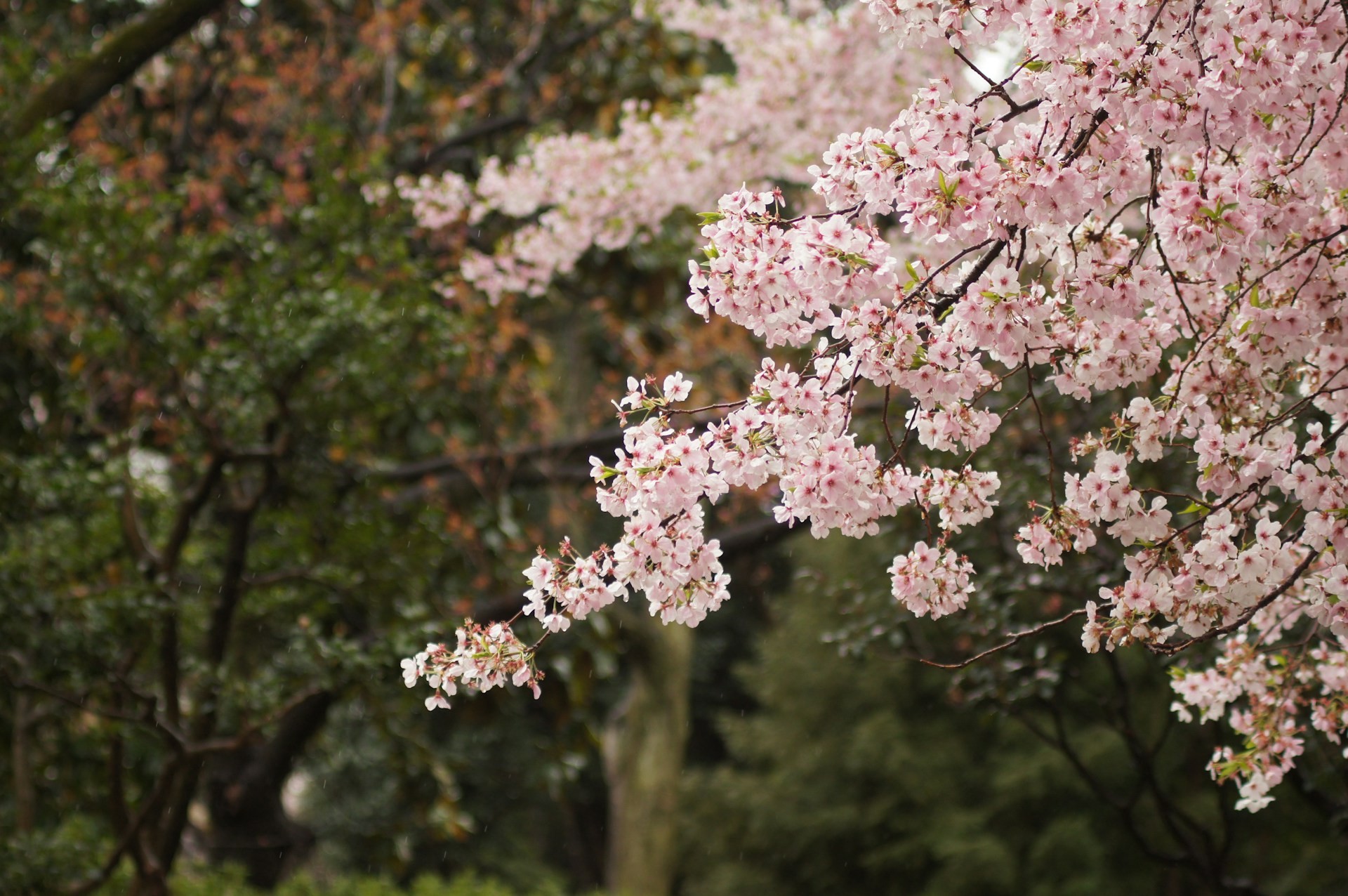
    Each March, Macon turns pink. Yoshino cherry trees bloom along streets, in parks and in front yards across the city, and for a week or two the whole town seems to slow down and look up. The display is one of the great pleasures of living in Middle Georgia, and it has a story worth knowing.

    How the Trees Came to Macon

    The Yoshino cherry is a Japanese variety known for clouds of pale pink blossoms that appear before the leaves. Macon’s association with the tree began in the middle of the twentieth century, when a local realtor named William A. Fickling Sr. noticed an unfamiliar flowering tree in his yard. He later recognized the same tree during a visit to Washington, D.C., where Yoshino cherries had been planted along the Tidal Basin, and identified his as the same variety.

    Fickling learned to propagate the trees and began giving them away. Over the following decades, he and his family donated enormous numbers of saplings to neighbors, schools and civic groups. Community volunteers, in particular a resident named Carolyn Crayton, organized plantings and in the early 1980s founded the International Cherry Blossom Festival to celebrate the bloom. The city has since called itself the Cherry Blossom Capital of the World.

    Festival dates, events and routes change from year to year, so check the festival’s official website for current information before planning a visit.

    When and Where to Look

    Bloom timing depends on the weather. A warm February can bring flowers in early March, while a cool one pushes them later. The full show usually lasts about a week, with petals drifting down for several days afterward. Many neighborhoods have their own displays, and gift trees from the Fickling family can still be found around the city. Local parks and the roadsides of older residential areas are reliable places to start.

    A Mindful Way to Walk Under the Blossoms

    In Japan, the practice of gathering beneath cherry trees is called hanami, or flower viewing, and it has been part of spring for more than a thousand years. The point is not to photograph the flowers and move on but to sit with them. You can borrow the spirit of hanami on any Macon street.

    • Leave your phone in your pocket for the first ten minutes.
    • Stand under a single tree and look up. Notice the layers of blossoms against the sky.
    • Listen. Bees are usually working the flowers, and there is a faint hum beneath the street noise.
    • Breathe in. Yoshino blossoms have a light, faintly almond-like scent that many people miss entirely.
    • Pick one branch and watch it for a full minute. See how it moves in the breeze.

    If you can, bring a blanket and a thermos and sit for a while. A short picnic under the trees is one of the simplest and loveliest things you can do in March.

    The Lesson of a Short Bloom

    Part of what makes cherry blossoms beloved in Japan is that they do not last. The Japanese phrase mono no aware describes the gentle, bittersweet awareness that beautiful things pass. Macon’s bloom is the same. A single storm can bring the petals down overnight.

    That brevity is a quiet lesson in attention. The blossoms ask you to notice them now, not next week. Spend an afternoon among them, let the petals land in your hair, and carry that habit of noticing into the rest of the spring.

  • The Lotus Flower: Symbolism, History and a Season of Renewal

    The Lotus Flower: Symbolism, History and a Season of Renewal

    The lotus, the flower in our name, carries one of the oldest stories in the world. It has been painted on temple walls, carved into stone columns and folded into poems for thousands of years, and it remains a favorite symbol of calm and fresh beginnings. As spring returns to Middle Georgia, it seems like the right time to look at where that reputation comes from.

    A Flower That Rises From the Mud

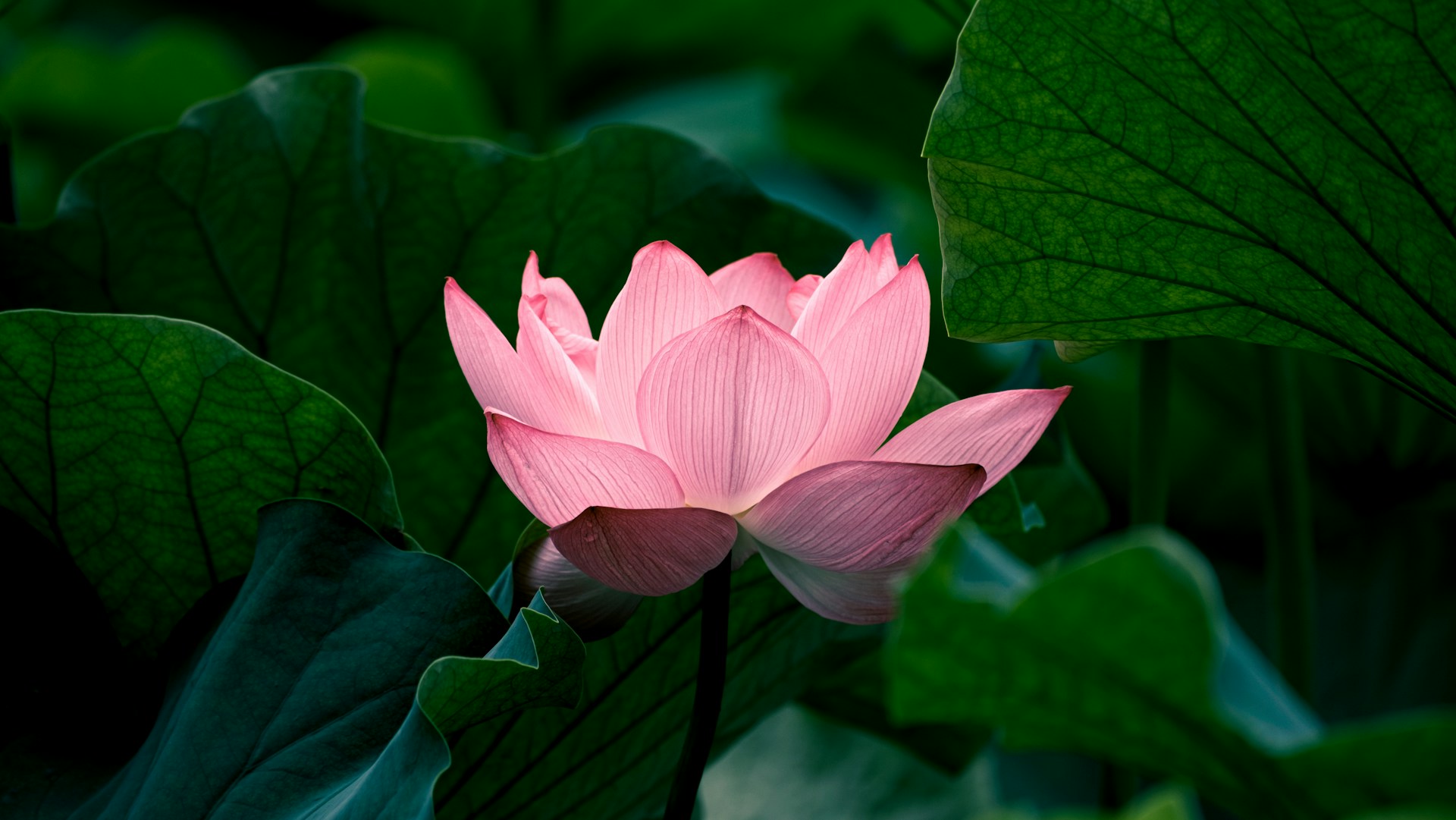
    The sacred lotus, known to botanists as Nelumbo nucifera, is an aquatic plant that roots itself in the mud at the bottom of ponds and slow rivers. Its stems push up through murky water, and its leaves and flowers open in the air above the surface, clean and unstained. That simple fact of botany is the root of nearly all its symbolism. A beautiful thing grows out of the least promising place, and it does so every year.

    The flowers are large and usually pink or white. They open in the morning and close again later in the day, a rhythm that has made the lotus a natural emblem of daily renewal as well as seasonal renewal.

    Sacred Across Cultures

    In India, the lotus is the national flower and appears throughout Hindu art, often as the seat of deities. In Buddhist tradition, it represents purity of heart and the possibility of growth no matter where a person begins. The familiar cross-legged posture used in meditation is still called the lotus position.

    Ancient Egyptians also revered a lotus, though the flower in their art was most likely a water lily rather than the Asian lotus. It opened with the sun and closed at night, and it became linked to the sun and to rebirth. Across East Asia, lotus seeds and roots are everyday foods, and lotus ponds are a cherished feature of summer gardens.

    Two Remarkable Facts

    • Lotus leaves shed water and dirt so effectively that scientists use the term lotus effect to describe self-cleaning surfaces. Droplets bead up and roll off, carrying dust with them.
    • Lotus seeds are famously long-lived. Researchers have germinated seeds recovered from a dry lakebed in China that were many centuries old, which is part of why the plant is so often tied to patience and persistence.

    What the Lotus Can Mean This Spring

    You do not need a pond to borrow something from the lotus. Its story offers a few gentle ideas for the season of renewal:

    • Beginnings can be muddy. A fresh start rarely looks tidy at first.
    • Growth is gradual. The stem rises slowly before the flower appears.
    • Opening and closing is natural. Rest is part of the rhythm, not a failure of it.
    • Something old can still bloom. A long-neglected intention may only need the right season.

    You might write one of these ideas on a card and set it where you will see it in the morning, or simply bring it to mind on a walk when you pass a pond or a patch of fresh green growth.

    Bringing the Lotus Home

    Lotus imagery is easy to weave into a calm corner at home. A single bloom in a photograph, a small ceramic dish shaped like a flower, or a lotus-patterned cushion can serve as a quiet reminder to pause. Some people enjoy a lotus-shaped tea light holder for an evening wind-down.

    If you are lucky enough to find lotus growing in a botanical garden or a park pond, take a few minutes to watch it. Notice the water beading on the leaves and the way the flowers follow the light. It is a small, free moment of beauty, and a reminder that renewal is always on its way.

  • The Body Scan: A Simple Relaxation Practice You Can Do Lying Down

    The Body Scan: A Simple Relaxation Practice You Can Do Lying Down

    The body scan is a classic relaxation and mindfulness practice. It involves slowly moving your attention through each part of your body, noticing sensations without trying to change them. It can be done lying in bed, on a mat or in a comfortable chair, and it takes anywhere from five to thirty minutes.

    Many people enjoy a body scan as part of an evening wind-down routine. If you have chronic pain, a health condition or a history of trauma, consider talking with your doctor or a licensed professional before starting new mindfulness practices, and feel free to keep your eyes open or stop at any time.

    Getting Ready

    Choose a quiet space where you will not be interrupted. Lie on your back with your arms resting by your sides and your legs comfortably apart. You can place a pillow under your knees for comfort. If lying down is uncomfortable, sit in a supportive chair instead.

    Close your eyes or soften your gaze. Take a few slow, natural breaths.

    The Practice, Step by Step

    Feet and Legs

    Bring your attention to your toes. Notice any sensations: warmth, coolness, tingling or nothing at all. There is no right thing to feel. Slowly move your attention to the soles of your feet, your heels, your ankles. Then move up through your calves, knees and thighs. Take your time.

    Hips, Belly and Back

    Notice where your body makes contact with the bed or floor. Move your attention through your hips and lower back. Notice your belly gently rising and falling with each breath. Then move up through your middle and upper back.

    Chest, Arms and Hands

    Notice your chest and the rhythm of your breathing. Then bring your attention to your shoulders, which often hold tension. Move down through your upper arms, elbows, forearms, wrists, palms and each finger.

    Neck, Face and Head

    Notice your neck and throat. Then move to your jaw, which many people clench without realizing. Notice your lips, cheeks, nose, eyes and forehead. Finally, bring your attention to the top of your head.

    When Your Mind Wanders

    Your mind will wander. When you notice it has, gently return your attention to the last part of the body you remember. There is no need to start over or criticize yourself. Returning is the practice.

    If You Notice Tension

    When you find areas of tightness, you can simply notice them. Some people like to imagine breathing into the tense area, or allowing it to soften slightly as they exhale. Others prefer to simply observe. Either approach is fine.

    Finishing the Practice

    After you have scanned your whole body, take a few moments to notice it as a whole. Feel the breath moving through you. Then slowly wiggle your fingers and toes, stretch gently and open your eyes. If you are practicing before sleep, you may simply let yourself drift off.

    Making It a Habit

    Body scans can feel unfamiliar at first, but they often become easier with practice. Try one a few nights a week, perhaps as the last step of your bedtime routine. You can also find guided body scan recordings from many sources if you prefer a voice to follow. Over time, this simple practice can help you feel more at home in your own body.

  • Mindful Eating: Slowing Down to Enjoy Your Meals

    Mindful Eating: Slowing Down to Enjoy Your Meals

    Many of us eat breakfast in the car, lunch at a desk and dinner in front of the television. Meals become something to get through rather than something to enjoy. Mindful eating is an invitation to slow down and pay attention to the experience of eating: the flavors, textures and smells of food, and how your body feels before, during and after a meal.

    Mindful eating is not a diet. It does not involve rules about what to eat or how much. It is simply about bringing more attention to an everyday activity. If you have questions about nutrition, a health condition or your relationship with food, please talk with your doctor or a registered dietitian.

    What Mindful Eating Looks Like

    At its core, mindful eating means being present with your food. That might include:

    • Sitting down to eat rather than eating on the go
    • Turning off screens during meals
    • Noticing the colors and aromas of your food
    • Chewing slowly and tasting each bite
    • Pausing between bites
    • Checking in with how you feel as you eat

    None of these needs to happen at every meal. Even one mindful meal a day, or a week, can be a pleasant change.

    Try a Simple Practice

    Choose a single food, such as a piece of fruit, a square of chocolate or a slice of bread. Before eating, look at it carefully. Notice its color, shape and texture. Smell it. Take a small bite and let it rest in your mouth for a moment before chewing. Notice the flavors as they change. Chew slowly, swallow and pause before taking another bite.

    Many people are surprised by how much more they notice when they slow down.

    Set the Scene

    The environment around a meal shapes how it feels. A few small touches can help:

    • Clear a space at the table.
    • Use a plate and real utensils, even for a quick meal.
    • Light a candle or put a few flowers on the table.
    • Share the meal with others when you can, and talk about something other than work.

    Eating at a table, even alone, can turn a meal into a small daily ritual.

    Notice Without Judging

    Mindful eating also means noticing your thoughts and feelings about food without harsh judgment. If you find yourself thinking critically about what you are eating, simply notice the thought and return your attention to the meal. There are no good or bad mindful eaters, only people practicing paying attention.

    Gratitude at the Table

    Many traditions include a moment of thanks before meals. Whether you pray, pause in silence or simply take a breath, a brief moment of gratitude can help you transition from the rush of the day to the meal in front of you. You might think about the people who grew, transported or prepared your food.

    Making It a Habit

    Start small. Choose one meal or snack each day to eat mindfully. Over time, you may find that slowing down becomes more natural, and that meals feel less hurried and more enjoyable. In a fast-paced world, sitting down to truly taste your food is a simple, nourishing act of self-care.

  • Breathwork and Meditation: How They Differ and How They Fit Together

    Breathwork and Meditation: How They Differ and How They Fit Together

    Breathwork and meditation are both popular relaxation practices, and you will often hear them mentioned in the same breath, so to speak. They overlap, but they are not quite the same. Understanding the difference can help you choose a practice that suits you, or combine the two in a way that feels natural.

    These practices are for general relaxation. If you have a heart or lung condition, are pregnant, have a history of fainting or seizures, or have mental health concerns, talk with your doctor before trying breathwork or meditation practices, and stop any practice that makes you feel uncomfortable.

    What Is Meditation?

    Meditation is a broad term for practices that train attention and awareness. There are many styles. Some involve focusing on a single point, such as the breath, a sound or a word. Others, like mindfulness meditation, involve noticing whatever arises in the present moment, including thoughts, feelings and sensations, without trying to change it.

    In many forms of meditation, the breath is used as an anchor for attention, but you are not usually asked to control it. You simply observe it as it is.

    What Is Breathwork?

    Breathwork is an umbrella term for practices that involve intentionally changing how you breathe. Examples include:

    • Box breathing, with equal counts for inhaling, holding, exhaling and pausing
    • Extended exhale breathing, where the exhale is longer than the inhale
    • Alternate nostril breathing, a practice that comes from yogic traditions
    • Belly breathing, focusing on movement of the abdomen

    Some breathwork practices are gentle and simple. Others are more intense and are best learned from a qualified teacher. Gentle forms are a good place to start.

    How They Differ

    The simplest way to think about it:

    • In meditation, you usually observe the breath without changing it.
    • In breathwork, you deliberately shape the breath in a particular pattern.

    Meditation tends to focus on awareness. Breathwork tends to focus on the breath itself as the activity.

    How They Fit Together

    Many people enjoy combining the two. A short breathwork practice can serve as a bridge into meditation. For example, you might begin with a few rounds of slow, extended exhale breathing, then let the breath return to its natural rhythm and simply observe it for several minutes.

    Trying a Combined Practice

    Here is a simple sequence to try:

    • Sit comfortably and close your eyes.
    • Breathe in for four counts and out for six counts, for about two minutes.
    • Let the breath return to normal.
    • Simply notice the breath for three to five minutes.
    • When your mind wanders, gently return to the breath.
    • Open your eyes slowly and take a moment before moving on.

    Choosing What Works for You

    Some people prefer the structure of breathwork, finding that a clear pattern gives their mind something to focus on. Others enjoy the openness of meditation. Many find that both have a place in their routine, depending on the day.

    There is no wrong choice. Experiment gently, notice what feels good and let your practice evolve over time. The most helpful practice is the one you enjoy enough to return to.