
Healing Starts Within

💌 Discover our wellness rituals designed to reduce stress and revitalize.

Book Now · Call (478) 303-6936

Reserve your personalized wellness session today and take the first step toward deep healing.

Welcome to Lotus Natural Wellness

With Sonya Gordon

  • Deadline Weeks: Calming Rituals for Tax Season and Other Crunch Times

    Deadline Weeks: Calming Rituals for Tax Season and Other Crunch Times

    Mid-April brings a familiar kind of tension across the country. Tax returns are due, school years are winding toward exams and end-of-quarter deadlines stack up at work. Crunch time is a feature of modern life, and it tends to arrive just as spring is at its most beautiful. You cannot always shorten a deadline week, but you can shape how you live inside it. This is general information about everyday self-care; for financial or tax questions, talk with a qualified professional, and for stress that feels unmanageable, talk with your doctor.

    Why Deadlines Feel the Way They Do

    A deadline concentrates attention, which is useful. It also tends to push everything else aside: meals get skipped, sleep gets shortened, walks get cancelled. Then the body, running on less than it needs, makes the work itself feel harder. The pattern is familiar, and the way out is not to work less seriously but to protect a few basics that make serious work possible.

    Protect the Anchors

    Choose three things you will not give up, no matter how the week goes. For many people they are:

    • A fixed wake time, even if bedtime slides a little.
    • One real meal a day eaten away from the desk.
    • Ten minutes outside, preferably in daylight.

    Write them down. When the pressure rises, these are the anchors you return to. They take less than an hour combined and make the other fifteen hours go better.

    Shrink the Task

    Deadline dread often comes from looking at the whole mountain at once. Break the work into pieces small enough to finish in a single sitting: gather documents, fill in one section, review one page. Cross them off as you go. For tax preparation in particular, a simple checklist of what you need, worked through over several short sessions, feels very different from one long night at the kitchen table. If the task is beyond you, asking a professional for help is a reasonable decision, not a defeat.

    Small Rituals for the Edges of the Day

    You may not have time for a long bath, but a few minutes of ritual at the start and end of the day keeps the week from blurring into one long shift:

    • Begin with a slow cup of coffee or tea by a window before opening anything on a screen.
    • Set a scent for the week, such as a citrus or rosemary blend in a diffuser, and run it only while you work. It gives the hours a shape.
    • End the workday with a clear signal: close the laptop, wash your hands and face, change clothes, step outside for a moment.
    • Before bed, write down tomorrow’s first task on a notepad so your mind can let go of it.

    Long sessions in a chair leave the body stiff and the mind foggy. Set a timer to stand every forty-five minutes or so. Roll your shoulders, stretch your hands, walk to another room. A ten-minute walk around the block between work blocks will often save more time than it costs, because you return able to think.

    When It Is Over

    Plan something gentle for the day after the deadline, and put it on the calendar now. A long walk among the dogwoods, an afternoon with a book on the porch, an hour at a wellness studio, dinner with a friend. Knowing there is a soft landing ahead makes the hard week easier to carry, and keeping that promise to yourself matters. Crunch time passes. Spring, happily, is still there when it does.

  • April Is Stress Awareness Month: A Gentle Look at What Stress Is

    April Is Stress Awareness Month: A Gentle Look at What Stress Is

    April is observed in the United States as Stress Awareness Month, a time set aside each year to talk plainly about something nearly everyone lives with. Stress is not a disease, and feeling it is not a failure. It is a normal response to demands, and in the right dose it helps us meet deadlines, dodge traffic and show up for the people we love. The trouble comes when it never lets up. This article is general information, not medical or psychological advice. If stress is affecting your sleep, mood, relationships or daily life, please talk with your doctor or a licensed counselor.

    What Stress Is

    At its simplest, stress is the body’s response to a perceived challenge. When something feels demanding or threatening, the body shifts into a state of readiness: the heart beats faster, breathing quickens, muscles tense and attention narrows. This response is ancient and useful. It is designed to be brief, switching on for a challenge and switching off when the challenge passes.

    Modern life rarely cooperates. Deadlines, bills, caregiving, traffic and a phone that never stops delivering news keep the response humming at a low level for days or weeks. Many people describe this as feeling wound up, tired but unable to rest, or irritable for no clear reason. That is what people usually mean when they say they are stressed.

    How It Shows Up

    Stress looks different in different people. Some notice it in the body: a tight jaw, clenched shoulders, headaches, an unsettled stomach, trouble sleeping. Others notice it in their thinking: racing thoughts, difficulty concentrating, forgetting small things. Still others notice it in behavior: snapping at family, reaching for snacks or screens, withdrawing from friends, skipping the things that usually bring pleasure.

    Learning your own signals is useful. They are the early warning that it is time to slow down, not evidence that something is wrong with you.

    What Generally Helps

    There is no single fix, but certain habits are widely recognized as supportive. None of these is a treatment, and they work best as a steady practice rather than an emergency measure:

    • Movement, especially outdoors. A daily walk is the most accessible version.
    • Sleep. Protecting a consistent bedtime does more than almost anything else.
    • Connection. Talking with someone you trust, even briefly, changes how a hard day feels.
    • Breathing and relaxation practices. A few slow breaths, a body scan or progressive muscle relaxation give the body a signal that the challenge has passed.
    • Boundaries. Saying no to one thing to make room for rest.
    • Small pleasures. A bath, a cup of tea on the porch, music, a hobby, an hour at a wellness studio. These are not indulgences. They are how a nervous system remembers what calm feels like.

    When to Reach Out

    Everyday stress eases when the demand passes or when rest arrives. If it does not, if you feel overwhelmed most days, cannot sleep, are using alcohol or other substances to cope, or have thoughts of harming yourself, please reach out to a doctor or a mental health professional. In the United States, the 988 Suicide and Crisis Lifeline is available by call or text at any hour. Asking for help is a sign of good judgment, not weakness.

    Using the Month Well

    Stress Awareness Month is a prompt, not a program. You might use April to notice your own signals, to add one supportive habit, or to have an honest conversation with someone about how you are really doing. Spring in Georgia offers plenty of help: longer evenings, blooming yards, warm air that makes a walk easy. Awareness is the first step, and it costs nothing at all.

  • Caring for Your Skin and Hands After a Day in the Garden

    Caring for Your Skin and Hands After a Day in the Garden

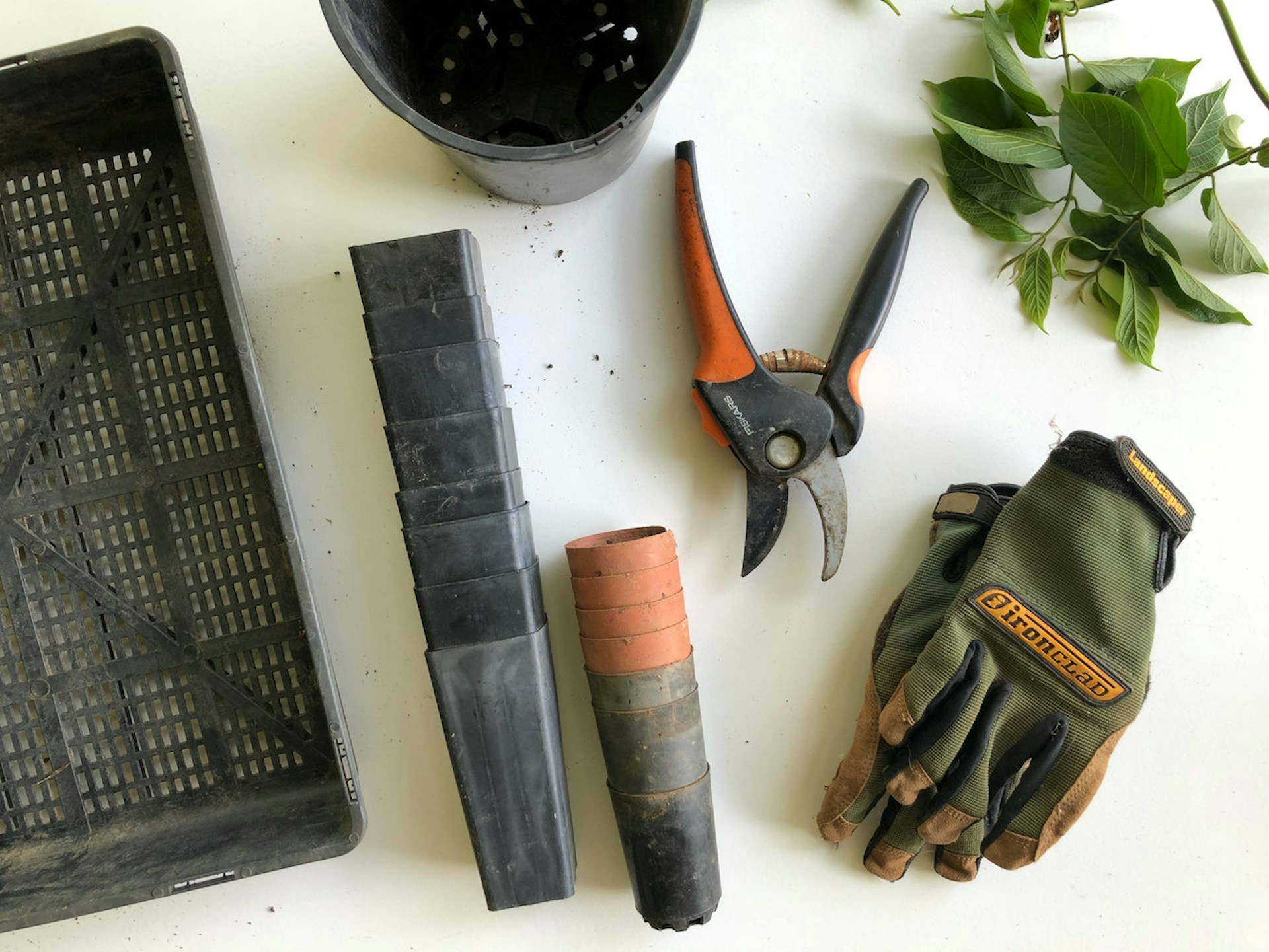
    Few things feel as satisfying as an afternoon in the garden in spring, and few leave hands and skin in rougher shape. Soil dries the skin, sun catches the back of the neck, thorns and rough stems leave scratches, and pollen settles on everything. A simple care routine after yard work keeps the pleasure without the sting. This is general skincare information; for cuts that look infected, rashes or persistent irritation, see your doctor.

    Before You Start

    The gentlest after-care begins before you pick up a trowel. Apply a broad-spectrum sunscreen to your face, neck, ears and the backs of your hands, and reapply if you are out for more than a couple of hours. Wear a wide-brimmed hat and, if the sun is strong, a lightweight long-sleeved shirt. Put on gloves. Many gardeners also rub a little hand cream or balm into their hands before gloving up, so that soil has less chance to settle into dry skin. Scrape your nails over a bar of soap to keep dirt from packing underneath them.

    Washing Up

    When you come in, wash your hands first with lukewarm water and a gentle soap. A soft nail brush helps with the creases of knuckles and under nails. Resist the urge to scrub with harsh grit, which leaves skin raw. Then wash your face and the back of your neck, where sweat, sunscreen and pollen have been collecting all afternoon.

    If you have been working around plants with sap, such as figs or euphorbias, wash any skin that touched them promptly, since some plant saps can irritate skin, especially in sunlight. If you suspect you brushed against poison ivy, which is common along Georgia woods and fencelines, wash the area thoroughly with soap and cool water as soon as possible and launder the clothes you were wearing separately.

    Scratches and Splinters

    Rinse small scratches with clean water, pat dry and cover them if they are in a spot that will get dirty again. Remove splinters with clean tweezers. Keep an eye on any break in the skin from soil or thorns; if it becomes red, warm, swollen or painful over the next day or two, see a doctor. Rose thorns and old wood in particular are worth watching.

    Moisturize Generously

    Soil, water and sun are a drying combination. After washing, apply a rich hand cream while your hands are still slightly damp and work it around the nails and cuticles. Many gardeners keep a thick balm by the bed and wear thin cotton gloves over it overnight once or twice a week during the busy season. For the face and neck, use your usual moisturizer, and consider a lighter lotion for arms and legs if they were exposed.

    Kneeling and crouching are hard on knees and the tops of feet, and sandals let dirt in everywhere. A kneeling pad saves both knees and clothes. In the evening, a warm foot soak with a handful of plain salt, followed by a pumice stone on rough patches and a layer of cream, is a pleasant way to close a gardening day.

    Making It a Ritual

    None of this takes long. Fifteen minutes of washing, tending and moisturizing is a small price for an afternoon outside. Many people come to enjoy it as the last act of the day’s work: a slow wash, a scented cream, a glass of cold water and a look out the window at what they have planted. The garden rewards care, and so does the gardener.

  • Moisturizer Basics: Humectants, Emollients and Occlusives Explained

    Moisturizer Basics: Humectants, Emollients and Occlusives Explained

    A moisturizer seems simple: you apply it, and your skin feels softer. Behind that feeling, most moisturizers combine three kinds of ingredients that work in different ways. Knowing the difference can help you choose a product that suits your skin and the season, especially as Middle Georgia moves from dry winter air into the humidity of spring. This is general skincare information, not medical advice. For a skin condition, see a dermatologist.

    Humectants Draw Water In

    Humectants are ingredients that attract water. They pull moisture from the deeper layers of skin and, when the air is humid, from the environment, and hold it in the outer layer. Common examples include glycerin, hyaluronic acid, honey, aloe and urea. Glycerin is one of the oldest and most widely used.

    Because humectants draw water, they work best when applied to slightly damp skin. In very dry air, a humectant alone can leave skin feeling less comfortable than expected, which is why most products pair them with the next two categories.

    Emollients Smooth the Surface

    Emollients fill in the tiny gaps between skin cells and give skin a softer, smoother feel. They are the ingredients that make a cream feel like a cream. Examples include plant oils such as jojoba, sunflower and squalane, as well as shea butter, fatty alcohols and ceramides, which are naturally present in skin. Many emollients are light and absorb easily; others are richer and leave a bit of a sheen.

    Occlusives Seal Moisture In

    Occlusives form a thin layer on the surface that slows the evaporation of water from the skin. Petrolatum, often sold as petroleum jelly, is the classic example, and it is widely used in dermatology because it is gentle and does this one job well. Other occlusives include beeswax, lanolin, mineral oil, dimethicone and some heavier plant butters.

    Occlusives feel heavier, which is why they are common in overnight creams and hand balms and less common in daytime face lotions. Applying a thin layer of an occlusive over a lighter moisturizer at night is sometimes called slugging.

    Reading a Label With This in Mind

    Most moisturizers contain all three categories in different proportions. A quick way to guess the texture before you buy:

    • Water listed first, with glycerin near the top and dimethicone or oils farther down, usually means a light lotion.
    • Oils, butters or petrolatum high on the list usually mean a richer cream or balm.
    • Products labeled gel or gel-cream tend to lean on humectants and feel weightless.

    Ingredients are listed in descending order by amount, so the first five or six tell most of the story.

    Adjusting for the Season

    In winter, when indoor heat dries the air, many people prefer a moisturizer with more emollients and occlusives. As spring humidity arrives in Georgia, the same cream can start to feel heavy, and a lighter lotion built on humectants may be more comfortable. Some people keep two products: a light one for mornings under sunscreen and a richer one for night. You can also layer, applying a thin gel first and a cream on top where skin feels driest.

    Moisturizers often include fragrance, botanical extracts and other additions. They can make a product pleasant to use, but if your skin is sensitive, a fragrance-free formula with a short ingredient list is a safer starting point. Introduce one new product at a time and give it a couple of weeks before judging. The right moisturizer is simply the one that leaves your skin comfortable through the day, whatever the label says.

  • Understanding Your Skin Type: Dry, Oily, Combination and Sensitive

    Understanding Your Skin Type: Dry, Oily, Combination and Sensitive

    Walk down any skincare aisle and you will see products sorted by skin type. Dry, oily, combination, sensitive and normal appear on nearly every label. The categories are useful, but many people are not sure which one applies to them, or they chose one years ago and never revisited it. Spring, when the air in Georgia begins to warm and humidity returns, is a good time to take another look. This is general skincare information; for persistent concerns or a skin condition, see a dermatologist.

    What the Types Mean

    Skin type is mostly about how much oil, called sebum, your skin produces and how well it holds moisture.

    • Dry skin produces less oil. It may feel tight after washing, look a little dull or flaky, and absorb moisturizer quickly.
    • Oily skin produces more. It tends to look shiny by midday, especially on the forehead and nose, and makeup may slide.
    • Combination skin is oily in some areas, usually the T-zone across the forehead, nose and chin, and normal or dry on the cheeks. It is very common.
    • Normal skin sits in the middle: neither tight nor shiny, with few areas of concern.
    • Sensitive skin is less a type than a tendency. It reacts easily to products, weather or fabrics with stinging, redness or itch, and it can overlap with any of the others.

    A Simple Way to Check

    One common method takes about an hour. Wash your face with a gentle cleanser, pat dry and apply nothing. Wait sixty minutes, then look in a mirror in natural light and notice how your skin feels.

    • Tight everywhere, maybe flaky: likely dry.
    • Shiny everywhere: likely oily.
    • Shiny in the T-zone, comfortable on the cheeks: likely combination.
    • Comfortable all over: likely normal.

    Repeat the check in a different season if you can. Many people are drier in January and oilier in July.

    Why It Shifts

    Skin type is not fixed for life. Age, climate, hormones, stress, sleep and the products you use all nudge it one way or another. Georgia’s humid summers often make skin feel oilier, while heated indoor air in winter can leave even oily skin feeling tight. A move, a new job with more time outdoors or a change in routine can all show up on your face. If your skin seems to have changed, it probably has, and your products can change with it.

    Matching the Basics

    You do not need a complicated routine for any skin type. A gentle cleanser, a moisturizer and daily sunscreen cover the essentials. The variation is in texture:

    • Dry skin generally prefers cream cleansers and richer moisturizers.
    • Oily skin often feels better with gel or foaming cleansers and lightweight lotions or gels.
    • Combination skin may use a lighter product on the T-zone and a richer one on the cheeks, or one middle-weight product all over.
    • Sensitive skin tends to do best with fragrance-free products and a short ingredient list, introduced one at a time.

    When to Ask a Professional

    If your skin stings with most products, breaks out persistently or has patches that do not settle, a dermatologist can help you sort out what is happening. A licensed esthetician can also help you understand your skin type during a facial consultation. Knowing your type is not about labeling yourself. It is simply a way to choose products that feel comfortable, which is the whole point.

  • Spring Cleaning for a Calmer Mind: One Room, One Drawer at a Time

    Spring Cleaning for a Calmer Mind: One Room, One Drawer at a Time

    Spring cleaning has a long history. In many cultures, the arrival of longer days has always been the signal to open the house, beat the rugs and clear out the winter’s accumulation. The tradition survives because it works, and not only for the house. Many people find that a tidier space makes for a quieter mind. The trick is to approach it gently, without turning a pleasant seasonal ritual into a weekend of exhaustion.

    Why Clearing Space Can Feel Good

    A cluttered room asks a lot of your attention. Every pile is an unfinished decision, and every surface covered in things is a small reminder of tasks you have not done. Clearing them does not fix anything in particular, but it removes a layer of low-level noise. The room becomes easier to rest in. You may notice you breathe a little deeper when you walk through the door.

    Start Smaller Than You Think

    The classic mistake is to empty an entire closet onto the bed and then run out of energy. A gentler approach:

    • Choose one drawer, one shelf or one corner. Finish it completely before moving on.
    • Set a timer for twenty minutes. Stop when it rings, even if you feel like continuing.
    • Keep four containers nearby: keep, donate, recycle and trash.
    • Put the keep items back in a way that makes sense, and remove the other three containers from the room before you stop.

    One finished drawer is more satisfying than a half-finished room, and it builds momentum for the next session.

    A Room-by-Room Rhythm

    Spread the work across the month rather than a single weekend. One possible order:

    • Bedroom first, since it is where you rest. Clear the nightstand, rotate the mattress and swap heavy bedding for lighter layers.
    • Bathroom next. Discard expired products, wipe the cabinet and clear the counter so your morning routine has room.
    • Kitchen pantry and refrigerator. Check dates, wipe shelves and group like items.
    • Entryway and living room last. Sort the mail pile, clear surfaces and open the windows on a low-pollen day.

    Make It Pleasant

    Cleaning does not have to feel like punishment. Put on music or a favorite podcast. Open a window if the pollen allows. Set a diffuser running in another room with a scent you enjoy, such as a little lemon or rosemary, so that there is something pleasant waiting when you finish. Keep a glass of water nearby and stop for it. If you live with others, share the work and agree on an end time.

    Notice the moments of small satisfaction along the way: a cleared countertop, a drawer that closes easily, a bag ready for the donation drop-off.

    Letting Things Go Kindly

    Deciding what to keep is often the hardest part. Objects carry memories and intentions, and the guilt of unused gifts or abandoned hobbies can make it hard to let go. Try asking a different question than whether something is useful. Ask whether you would choose it again today. If the honest answer is no, thank it for its time and let it move on to someone who will use it.

    When you finish, take a few minutes to sit in the cleared room with a cup of tea. Notice how it feels. That small pause, more than the clean baseboards, is what spring cleaning is really for.

  • Easing Into Daylight Saving Time: Sleep Habits for the Clock Change

    Easing Into Daylight Saving Time: Sleep Habits for the Clock Change

    On the second Sunday of March, most of the United States moves the clocks forward one hour. The lost hour sounds trivial, but many people feel it for several days: a groggy Monday, an early-evening slump, a stubborn mind at bedtime. A little planning can make the shift smoother. This is general sleep information; if you have ongoing trouble sleeping, talk with your doctor.

    Why One Hour Matters

    Your body keeps time with an internal rhythm that responds mainly to light. When the clock jumps ahead, your alarm rings at what feels like an hour earlier, while the morning outside is darker and the evening is brighter. Both of those cues push your internal clock in the wrong direction for a few days. Flying east across one time zone produces the same feeling, which is why people sometimes call the March change a small case of jet lag.

    Shift Gradually in the Days Before

    The gentlest approach is to move your schedule in small steps before the change:

    • Go to bed fifteen or twenty minutes earlier for the three or four nights leading up to the switch.
    • Set your alarm correspondingly earlier each morning.
    • Eat dinner a little earlier as well, since mealtimes also help set your rhythm.
    • Change the clocks on Saturday evening rather than Sunday morning so that you wake to the new time.

    If you miss the window, do not worry. Most people adjust within a week either way.

    Use Morning Light

    Bright light soon after waking is the strongest signal that tells your internal clock it is morning. In the first week after the change, try to get outside for ten or fifteen minutes early in the day, even if it is just a walk to the end of the street or a cup of coffee on the porch. Open the blinds as soon as you get up. If mornings are cloudy, turning on all the lights in the kitchen helps a little.

    In the evening, do the opposite. Dim lamps after dinner, close the curtains against the lingering daylight, and keep screens out of the bedroom.

    Keep the Rest of Your Routine Steady

    A consistent wind-down becomes more valuable during the transition, not less. The familiar sequence, whether it is a shower, a few pages of a book and a cup of herbal tea, or stretching and a short meditation, tells your body that sleep is next even when the clock disagrees. Try to avoid caffeine after early afternoon and large meals close to bedtime.

    Resist the urge to nap away the lost hour. If you are truly exhausted, a nap of twenty minutes before mid-afternoon is reasonable. A long late nap can keep you awake that night and extend the adjustment.

    Be Patient With Yourself

    For a few days you may feel foggier than usual, a bit irritable or hungry at odd times. That is normal. Go easy on your schedule in the first week of the change if you can, and give yourself credit for simply getting through it. The reward comes quickly: a whole extra hour of evening daylight for walks, porch time and watching the spring arrive.

    Not every place observes the change. Arizona, apart from the Navajo Nation, and Hawaii stay on standard time year-round, and some states have debated ending the switch. Check official sources if you are traveling or scheduling calls across time zones that week.

  • What Is Holistic Wellness? A Plain-Language Explainer

    What Is Holistic Wellness? A Plain-Language Explainer

    The phrase holistic wellness appears on studio signs, in magazine articles and across product labels, often without much explanation. It can sound vague, and sometimes it is used to dress up claims that do not hold up. Used carefully, though, it describes a sensible and rather old idea. Here is a plain-language look at what the term means, where it came from and how to think about it clearly.

    What Holistic Means

    Holistic comes from the Greek word holos, meaning whole. A holistic view of a person considers the whole of their life rather than one part in isolation. In practice, that means paying attention to several areas at once: how you sleep, how you move, what you eat, how you handle stress, the relationships around you, the spaces you live in and the sense of meaning or purpose that carries you through a week. The idea is that these areas affect one another, so caring for one usually involves caring for the others.

    The word wellness is newer. It came into common American use in the second half of the twentieth century to describe an active, everyday approach to feeling well, as distinct from simply not being sick. Put together, holistic wellness is the practice of tending to many dimensions of your life, deliberately and over time.

    What It Is Not

    This is the important part. Holistic wellness is not medicine and not a substitute for it. Massage, aromatherapy, facials, meditation, breathing practices and similar experiences can be relaxing, enjoyable and meaningful. They do not diagnose, treat, cure or prevent any disease, and anyone who tells you otherwise is making a claim they cannot support. If you have a health concern, your doctor is the right first stop. Wellness practices sit alongside medical care, never in place of it.

    It is also not a product. No supplement, crystal, gadget or scented oil makes a person well. The word gets attached to many things for sale, and it is reasonable to be skeptical.

    The Dimensions People Often Describe

    Different writers divide the whole in different ways, but a common list looks like this:

    • Physical: movement, rest, nourishment and basic self-care.
    • Emotional: noticing and tending to how you feel.
    • Social: connection with friends, family and community.
    • Intellectual: curiosity, learning and creative play.
    • Spiritual: meaning, values and, for many people, faith or contemplative practice.
    • Environmental: the spaces you live and work in, and your relationship with the natural world.
    • Occupational and financial: work that fits you and a sense of security.

    The list is a lens, not a scorecard. Most people have a few dimensions that feel strong and a few that have been neglected. Noticing which is which is the useful part.

    What It Looks Like Day to Day

    It is usually quieter than the marketing suggests. It looks like keeping a steady bedtime, taking a walk at lunch, calling a friend, cooking a meal with attention, sitting outside for ten minutes, saying no to one thing so there is room for another. Studio experiences like a facial, an aromatherapy session or a quiet hour on a massage table can be part of it, as moments set aside for rest and pleasure. For details about the experiences we offer, please visit our services page or contact us.

    When you encounter anything labeled holistic, ask three questions. Does it make specific health promises? If so, be cautious. Does it ask you to stop or skip medical care? If so, walk away. Does it leave you feeling rested, cared for and more like yourself? If so, it is probably doing what wellness practices can honestly do. Whole-person care is a sound idea. It deserves to be described in honest terms, and that is how we try to talk about it here.

  • Taking Self-Care Outside: Porch, Patio and Park Rituals for Warmer Evenings

    Taking Self-Care Outside: Porch, Patio and Park Rituals for Warmer Evenings

    For months, self-care in Georgia has meant indoors: warm baths, lamps, blankets. Then one evening in late March the air is soft enough to sit outside after dinner, and everything shifts. Spring is the season to take your rituals out the door. A porch, a patio, a balcony or a nearby park can become a self-care space with almost no effort, and the hours between late afternoon and dusk are the best of the day for it.

    Why Outside Feels Different

    Fresh air, natural light and the small movements of leaves and birds give the senses something gentle to rest on. Indoors, the eye tends to land on tasks: the laundry, the laptop, the mail. Outdoors, it lands on things that ask nothing of you. Many people find that the same cup of tea or ten minutes of reading feels more restful on a porch than in a living room. The temperature matters too. The mild evenings of a Georgia spring, before the summer heat and mosquitoes arrive, are a short window worth using.

    Setting Up a Simple Outdoor Spot

    You do not need a furnished patio. A comfortable chair, a small table for a cup and a light blanket for cooler evenings are enough. A few additions make the spot inviting:

    • A string of soft lights or a lantern for after sunset.
    • A pot of something fragrant nearby, such as rosemary, mint or a small jasmine.
    • A tray to carry things out in one trip, so getting settled is easy.
    • A basket by the door with a blanket, a book and a citronella candle for later in the season.

    Wipe down chairs during pollen season, and keep cushions in a bin or indoors until the yellow dust has passed.

    Rituals That Move Outdoors Well

    • Morning coffee or tea, taken slowly while the birds are still loud.
    • Reading a physical book for twenty minutes after dinner.
    • A short stretch or a few slow breaths on the lawn before the day starts.
    • Journaling, which often flows more easily with a horizon in view.
    • Evening skincare in the open air: a cool hydrosol mist or a face mask while sitting on the step.
    • Phone calls with distant friends, walking slowly around the yard.
    • Doing nothing at all, which is the hardest and perhaps the best.

    Taking It to the Park

    If you have no outdoor space of your own, a park bench serves beautifully. Pick a spot you can reach easily, go at the same time a few days a week and bring one small ritual with you: a thermos, a notebook, a book. Public green space in the evening has a particular calm, with dog walkers, joggers and families all moving at their own pace. Sit for fifteen minutes and watch the light change.

    A Few Practical Notes

    Keep sunscreen on through the late afternoon, since spring sun is stronger than it feels. Have a light layer handy; evenings cool quickly in March and April. If pollen bothers you, favor the hours after rain or the day after a storm. Bring water. And let the time be unstructured. The point of moving self-care outside is not to add another task but to make the pleasant things you already do a little more spacious. The porch will be too hot by July. Use it now.

  • Listening to the Dawn Chorus: A Mindful Start to Spring Mornings

    Listening to the Dawn Chorus: A Mindful Start to Spring Mornings

    In spring, the first light brings a sound that is easy to sleep through and remarkable to hear: the dawn chorus. Across Middle Georgia, cardinals, wrens, mockingbirds, thrashers and dozens of other species begin singing in the half hour before sunrise, building to a peak as the sky brightens and then tapering off as the day gets underway. Listening to it on purpose is one of the simplest mindfulness practices there is, and it is free every morning from now through early summer.

    Why Birds Sing at Dawn

    Birdsong in spring is mostly about territory and courtship. Males sing to claim a patch and to attract a mate, and dawn is a good time to do it. The air is still, so sound carries well. It is too dim to forage efficiently, so there is little else to do. And a bird that sings strongly after a long night signals that it is in good condition. The chorus is loudest from late March through May, which is nesting season for most of our local birds, and it fades as summer heat settles in.

    Who You Are Hearing

    You do not need to identify birds to enjoy the chorus, but a few voices are easy to learn:

    • The Northern cardinal, with clear, whistled phrases that often sound like cheer, cheer, cheer.
    • The Carolina wren, tiny but astonishingly loud, with a rolling three-part phrase repeated over and over.
    • The Northern mockingbird, which strings together imitations of other birds and repeats each one several times.
    • The brown thrasher, Georgia’s state bird, which also imitates but typically repeats each phrase twice.
    • The mourning dove, with its soft, low cooing that many people mistake for an owl.

    Free smartphone apps can identify songs from a short recording, and they make a pleasant companion for the first few mornings.

    A Simple Listening Practice

    Set an alarm for about half an hour before sunrise. Make a warm drink and step outside, or open a window and sit beside it. Then simply listen for ten minutes.

    • Start by noticing how many different voices you can hear.
    • Pick one and follow it for a while. Notice its rhythm and where it seems to be coming from.
    • Let your attention widen again to the whole sound, near and far.
    • Notice how the chorus changes as the light grows.
    • When your mind wanders to the day ahead, gently bring it back to the sound.

    That is the whole practice. There is nothing to achieve and no way to do it wrong.

    Why It Feels Good

    We make no claims about health. But there is something quietly steadying about beginning the day with attention turned outward, before screens and schedules take over. The chorus connects you to the season, to the place where you live and to a rhythm older than any calendar. Many people find that a day started this way feels a little more spacious.

    Making It Easier

    You do not have to do this every day. Once or twice a week is plenty. If you are not a morning person, the evening chorus at dusk is a quieter but still lovely alternative. A porch chair, a blanket and a thermos make the habit more inviting. And if you oversleep, the birds will be back tomorrow.